Chinese cooking classes for beginners adults offer a welcoming way to build kitchen confidence while learning the flavors, techniques and traditions behind some of China’s most beloved dishes. These classes are designed for people who may be new to Chinese cooking, as well as home cooks who know their way around a kitchen but want a clearer understanding of wok cooking, dumpling preparation, steaming and Chinese seasoning. A typical beginner session lasts about two to three hours, giving participants enough time to learn a few essential skills, prepare several dishes and sit down to enjoy the results. Depending on the format, the class may be held in person with an instructor and a small group, or online so participants can cook from their own kitchens. In-person classes can be especially helpful for learning hands-on details such as how finely to cut ingredients, how to position a knife and how quickly food should move through a hot pan. Virtual classes offer a comfortable, flexible option for adults who prefer to learn at home, cook with a partner or join friends and family from different locations. When comparing Chinese cooking classes for beginners, consider the class length, the number of dishes covered, whether ingredients and equipment are provided, and how much active cooking is included. Some sessions are structured as demonstrations with guided participation, while others give each guest plenty of time to prepare a complete meal. It is also useful to check whether a class focuses on a particular regional style, such as Cantonese, Sichuan or northern Chinese cooking, or introduces a broad selection of approachable dishes and methods. For those interested in exploring related cuisines and building a wider foundation,
Asian Cooking Classes For Beginners can provide an easy next step.
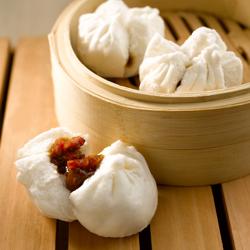
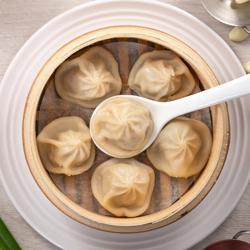
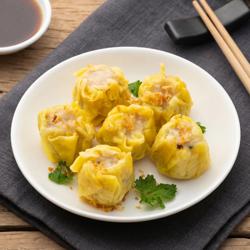
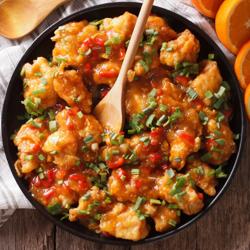
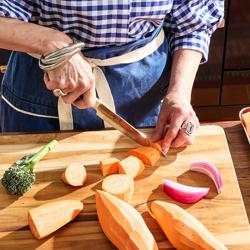
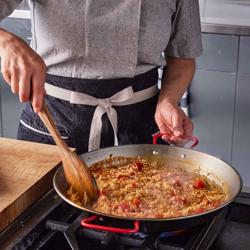
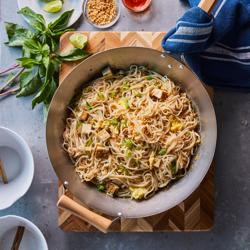
A strong introductory class usually begins with practical kitchen fundamentals rather than assuming extensive experience. Knife handling is an important starting point, since evenly cut vegetables cook at the same rate and make stir-frying more manageable. Participants may practice slicing, chopping and mincing, along with simple preparation techniques that help ingredients stay organized near the stove. Wok skills are another common focus. Beginners learn how to preheat the pan, add ingredients in stages and keep food moving so it sears rather than steams. The sound and aroma are part of the lesson: vegetables should meet the heat with a lively sizzle, while aromatics such as garlic, ginger and scallions quickly release their fragrance. Instructors often explain how to balance salty, sweet, sour, bitter and savory notes, and how small amounts of sauces, vinegars, oils and seasonings can shape the final dish. Simple marinating or velveting techniques may be included to help meat remain tender, while steaming introduces a gentler method that preserves moisture and delicate texture. Beginner-friendly menus often feature familiar, achievable recipes such as dumplings, fried rice, scallion pancakes, simple stir-fries or steamed dishes. These recipes are useful learning tools because they demonstrate several repeatable techniques without requiring advanced equipment or hard-to-find ingredients. A class that includes a shared meal can also help participants understand how dishes work together, from crisp and savory bites to tender vegetables, fragrant rice and sauces served for dipping or spooning over the plate. Look for classes that explain ingredient substitutions, offer clear guidance on heat levels and provide recipes or take-home instructions, especially if the goal is to continue practicing after the lesson ends.
Chinese cooking classes can be enjoyed as a personal experience, a relaxed evening with friends or a thoughtful gift for an adult who likes trying new foods. They suit beginners who are setting up a first kitchen, experienced home cooks looking for fresh inspiration and couples or small groups who want an activity that ends with a shared meal. During the cooler months, an in-person class can make a memorable outing, bringing people together around the warmth of the stove, the fragrance of toasted aromatics and the satisfying rhythm of preparing food side by side. A virtual session can be just as engaging when participants clear a little counter space, gather ingredients in advance and invite someone to cook along from another home. Before purchasing a class, consider the recipient’s comfort level, dietary needs, schedule and preferred learning style. A beginner may appreciate a menu built around foundational techniques, while a more adventurous cook might enjoy a class that explores regional flavors or introduces a new method. It is also worth reviewing whether the experience includes ingredients, equipment guidance, recipe access and time for questions. For gift-giving, a class can feel more personal than a kitchen item because it creates an opportunity to learn, cook and share a meal rather than adding another object to the cupboard. For personal use, the best choice is often the class that feels approachable enough to complete successfully while still offering one or two techniques that can become part of a regular cooking routine. With the right introduction, a first Chinese cooking class can turn a few unfamiliar ingredients and basic tools into a meal that feels generous, fragrant and entirely achievable at home.