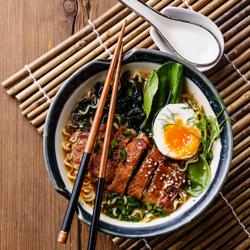
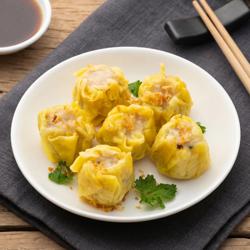
Chinese cooking classes for teens offer young cooks a chance to explore Chinese cuisine while building practical skills they can use beyond the classroom. Depending on the lesson, teens may practice preparing vegetables, mixing fillings, folding dumplings, cooking noodles, or working through the quick sequence of a stir-fry. These experiences can appeal to beginners who want a comfortable introduction to cooking, enthusiastic home cooks ready for a new challenge, and teens whose interest in food starts with a favorite family meal. Chinese cuisine encompasses many regional traditions, so a class is best understood as an introduction to particular dishes and techniques rather than a complete picture of how a country cooks. A lesson might explore the delicate handling of a wrapper, the importance of texture in a vegetable dish, or the way aromatics develop flavor when they meet hot oil. Each offers a different window into the kitchen. For teens, the appeal is often immediate and tangible: a flat circle of dough becomes a neatly sealed parcel, a cutting board full of vegetables becomes dinner, and a sauce comes together through careful measuring and tasting. There is room for both precision and personality, with enough structure to help a new cook get started and enough sensory detail to keep an experienced teen engaged. During the cooler months, the warmth of a busy kitchen and the aroma rising from a steamer make a cooking lesson an inviting indoor activity. The value extends beyond the finished meal, too. Following a recipe, keeping a workspace organized, and understanding why one ingredient goes into the pan before another all build independence. For families exploring related interests,
Cooking Classes For Teens provides a broader starting point for finding culinary experiences suited to young cooks. A Chinese-focused lesson adds the opportunity to connect those everyday skills with culinary traditions that reward attention to flavor, timing, and texture.
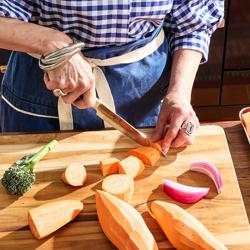
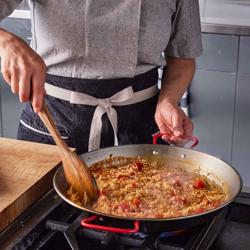
Much of what teens can learn in a Chinese cooking class begins before the heat goes on. Preparing ingredients in advance is particularly important for dishes that cook quickly: once aromatics are sizzling, there may be little time to find a measuring spoon or finish chopping a carrot. An instructor can help young cooks see how a clear workspace and a sensible order of preparation make cooking feel more manageable. Knife practice may include creating evenly sized pieces so vegetables cook at a similar pace, using a stable cutting board, and keeping fingertips safely tucked away from the blade. Dumpling preparation introduces another kind of coordination. A filling needs the right consistency, the wrapper needs enough space around its edge to seal, and an overfilled dumpling can be harder to close than a modestly filled one. That first uneven fold can be a useful lesson in patience; a secure seal matters more than matching a picture. Where stir-frying is part of the menu, teens may learn why ingredients are added in stages and why crowding a pan can cause food to steam instead of brown. These are useful principles even in a home kitchen without specialized equipment. Flavor deserves just as much attention as technique. Depending on the recipes, a lesson may introduce the savory depth of fermented seasonings, the brightness of vinegar, the fragrance of ginger and scallions, or the warmth of dried spices. Chinese food is not uniformly spicy, and regional cooking traditions use heat, sweetness, acidity, and richness in different ways. Learning to notice those differences encourages teens to move beyond broad labels and describe what they actually taste. A sauce might need a little more acidity rather than more salt; a vegetable might be ready when it still has a pleasant bite. With instruction, those small observations can become the foundation of sound cooking judgment. They also give curious teens something more lasting than a single recipe: a clearer sense of what to look, listen, and smell for as a dish takes shape.
Choosing a Chinese cooking class for a teen starts with matching the experience to the student rather than simply choosing the most ambitious menu. Age requirements, expected experience, lesson length, and the amount of hands-on participation are useful details to review before booking. A teen who rarely cooks may appreciate a session centered on a few approachable techniques, while someone who already prepares meals at home may enjoy a class that requires more careful shaping, coordinated timing, or layered preparation. Read the description to understand whether participants work individually or share tasks, whether an accompanying adult is required, and what is included in the session. If the format is virtual, check the ingredient list, equipment needs, and any advance preparation so the teen can spend the lesson cooking rather than searching through cabinets. For an in-person experience, location, arrival instructions, and kitchen attire can help the day run smoothly. Food allergies and dietary needs deserve an early conversation with the class provider. Depending on the menu, recipes may contain wheat, soy, sesame, eggs, shellfish, or peanuts, and an ingredient substitution does not necessarily address shared-equipment concerns. Classes can make thoughtful experience gifts for teens who enjoy trying new foods, watching cooking demonstrations, or helping with dinner but want more responsibility. They can also suit a birthday outing, a school-break activity, or time together for siblings and friends when the age guidelines allow. For a teen with family connections to Chinese cooking, a lesson may offer another way to explore familiar flavors without assuming that one recipe represents every household’s version. For someone encountering these techniques for the first time, it can create a welcoming space to ask questions and practice. Afterward, repeating one manageable dish at home often does more for confidence than attempting an entire feast. Clearing the counter, setting out ingredients, and taking charge of one part of dinner lets a young cook put the lesson to work. The meal becomes a chance to share what they learned—and to discover which skills they want to practice next.