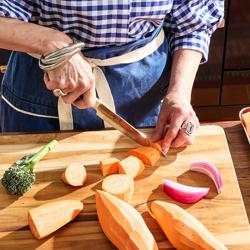
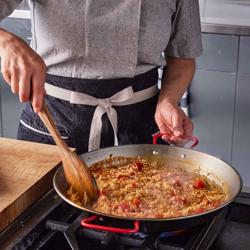
Chinese cooking classes for quick meals are a practical way to build confidence with fast, flavorful dishes while making better use of the tools in your kitchen. The products featured on this page can support the techniques commonly taught in a class, from preparing ingredients efficiently to cooking them over high heat without losing their texture. A well-shaped wok or spacious skillet gives vegetables, noodles and bite-size pieces of protein room to move, while a sturdy cutting board and a sharp chef’s knife help make quick, even cuts before the cooking begins. Small bowls are useful for arranging ingredients in advance, especially when a recipe comes together in only a few minutes. This approach, often called mise en place, is particularly helpful for stir-frying: garlic, ginger, scallions, sauces and vegetables should be ready before the pan is hot. Once cooking starts, the pace is quick, and having everything within reach makes the process feel organized rather than rushed. Look for cookware that heats evenly, feels balanced when lifted and has enough surface area for the amount of food you typically prepare. A pan that is too crowded can cause vegetables to steam instead of sear, while one that is too small can make noodles difficult to toss. If you are learning in a virtual class, these considerations matter even more because the right setup can make it easier to follow along with the instructor and see how ingredients change as they cook.
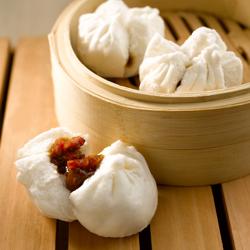
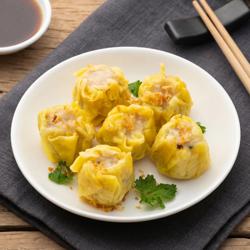
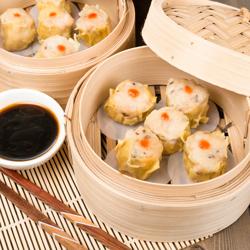
When choosing products for fast Chinese meals, consider the kinds of dishes you want to make and the habits you already have in the kitchen. Someone who enjoys crisp vegetables and quick proteins may appreciate a pan designed for high-heat cooking, along with a reliable turner or pair of cooking chopsticks for moving ingredients smoothly. Those who gravitate toward noodle dishes can benefit from a roomy pot, a dependable strainer and serving pieces that make it easy to drain, toss and plate without delay. For dumplings, wontons or other filled dishes, a clean work surface, a rolling tool and a covered steaming setup can turn the preparation into a relaxed weekend activity while still supporting the efficiency learned in class. Basic pantry organization also makes a difference. Soy sauce, rice vinegar, toasted sesame oil, chili sauces, cornstarch, garlic and ginger can provide a foundation for many quick meals, while fresh vegetables and cooked rice help turn a few prepared ingredients into dinner. Airtight storage containers are useful for keeping sauces, chopped aromatics and leftovers fresh, and they make it easier to portion ingredients for another meal. These products can be a thoughtful gift for a new cook, a college student setting up a first kitchen or an experienced home chef who wants to explore more regional techniques without committing to an extensive collection of equipment. They also pair naturally with a cooking class gift, giving the recipient something useful to practice with after the lesson ends. For shoppers comparing options, pay attention to care instructions, handle comfort, storage needs and whether the cookware suits the heat source in the recipient’s kitchen. A product that is easy to clean and simple to reach for is more likely to become part of a regular weeknight routine.
The most useful classes and kitchen tools work together to make quick meals feel approachable. In an in-person lesson, an instructor can demonstrate how to control heat, add ingredients in stages and keep food moving; in a virtual class, clear preparation and dependable equipment help you recreate that rhythm at home. A quick stir-fry often depends less on elaborate equipment than on timing: heat the pan thoroughly, add cooking oil, sear the ingredients in manageable batches and finish with a sauce that has already been mixed. Cutting vegetables into similar sizes helps them cook evenly, while keeping delicate greens separate from firmer ingredients prevents overcooking. Noodles can be loosened before they reach the pan, and leftover rice is often ideal for fried rice because it is less moist and less likely to clump. During the cooler months, these fast techniques are especially welcome for comforting meals that do not require hours at the stove, whether you are cooking for one, feeding a family or hosting friends around a crowded table. The same tools can support simple weekday dinners and more leisurely gatherings, from a shared platter of vegetables to a spread of dumplings and noodles. If your main goal is to build knife skills, manage high heat or understand how sauces balance salty, sour, sweet and spicy flavors, explore
Chinese Cooking Classes For Learning Techniques for another way to develop a strong foundation. With thoughtful preparation and equipment chosen for comfort and versatility, the products on this page can help turn a fast meal into a repeatable cooking ritual—one with the lively sounds of a hot pan, the fragrance of ginger and garlic, and a finished dish ready to share.