Croissant baking classes with modern twists teach classic French pastry techniques alongside creative ways to flavor, fill, and finish the dough. The foundation is lamination: rolling and folding dough around a sheet of butter to create thin, alternating layers. In the oven, steam helps separate those layers, giving a well-made croissant its crisp, flaky shell and open, honeycomb-like interior. A class lets you see what the dough looks and feels like before it gets anywhere near the oven. Butter that bends with the dough rolls out differently from butter that breaks into pieces, and dough that has had time to rest is less likely to spring back under the rolling pin. Those differences are easy to miss in a recipe but much easier to recognize when an instructor can point them out at the workbench. Depending on the class, you might practice keeping the dough an even thickness, cutting triangles, or rolling them into crescents without squeezing the layers together. You may also get to see what properly proofed croissants look like: noticeably fuller, with a slight wobble when the tray moves. Because croissant dough needs time to rest between folds and rise after shaping, an instructor may use dough prepared in advance to show several stages in one session. A batch ready for shaping can help you connect the feel of the dough under your hands with the layers you see when a baked croissant is split open. If you want to make croissants at home, check the class description for the steps you’ll practice yourself. Hands-on time with folding and rolling is especially useful if you’ve never laminated dough, while a class that spends more time on shaping or finishing may appeal if you already have a batch or two under your belt.
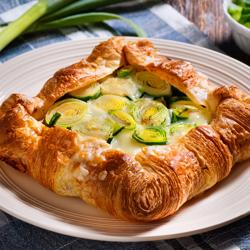
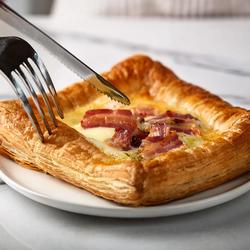
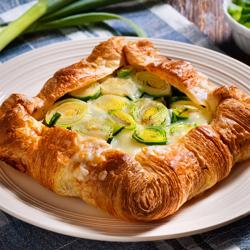
The modern twists come from building on that buttery dough without losing the flaky texture that makes a croissant worth the effort. A class might explore sweet and savory variations, bakery-style finishes, or flavor combinations inspired by different culinary traditions. Think toasted sesame paired with chocolate, a hint of citrus in a glaze, or sharp cheese balanced by herbs. Beyond tasting the combinations, you can learn why the same ingredient behaves differently in a filling than it does in a topping. A thin glaze brushed over a baked pastry can bring brightness to the first bite while leaving the interior light. A soft cream added after baking offers a contrast to the crisp shell without weighing down the dough as it rises. A savory filling tucked in before shaping calls for a different kind of care: a generous spoonful may look tempting on the workbench, but too much moisture or bulk can make the dough harder to roll and leave the center dense. Seeing how an instructor judges the amount of filling, where it sits, and how loosely to roll the dough makes those choices easier to understand. The shape plays a role, too. A familiar crescent puts the focus on the crisp tips and tender center, while a shape that leaves more cut edges exposed can show off the layers. Comparing versions made from the same dough is a useful way to notice which changes come from the filling and which come from shaping or finishing. For a baker who already knows the basics, that side-by-side comparison can be the most interesting part of class. It can also spark ideas for using a favorite flavor at home, whether that means keeping it subtle in a glaze or making it the first thing you taste in a filled pastry.
These classes suit curious beginners, home bakers ready to try laminated dough, and pastry fans who want to see how a bakery favorite comes together. Beginners can focus on cues that are difficult to judge from a photograph, such as how much resistance to expect from the dough or how gently to hold a triangle while rolling it. More experienced bakers can bring familiar frustrations to the table, from uneven layers to croissants that look golden on the outside but bake up heavy in the middle. A class also gives friends with different skill levels something to work on together: one person can watch for even corners as the dough is rolled out, while another gets the hang of shaping the first few crescents. The shared work makes croissant baking a natural choice for a birthday outing, a date, or a get-together that leaves time to talk while your hands are busy. For a group that likes the idea of spending time at the workbench together, browse
Croissant Baking Classes For Friends Outings for more ideas. A class can also make a thoughtful experience gift for someone who gravitates toward the pastry case or enjoys learning a technique they can return to later. When choosing a session, consider what would make it satisfying for the person attending: getting comfortable with a rolling pin, picking up a new filling technique, or simply sharing a baking project with good company. The same skills can carry over to a brunch with friends or a batch to share with neighbors. Even if you don’t plan to make croissants from scratch regularly, seeing how the dough changes from a flat sheet to a pastry with dozens of visible layers gives you something new to notice the next time you pull one apart.