-
(137)
Gave my husband lessons as part of his sixtieth birthday celebration we had a great time our instructor...already planning his first batch this weekend of which I will be the lucky recipient, thank you for a great...What a great class! Chef Eric was...
-
(47)
Liz was a great teacher and we got tons of hands on experience making all three desserts....Larissa was a great instructor, had a great time. Highly recommend....Great class!
-
(39)
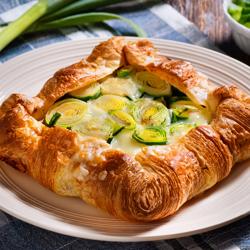
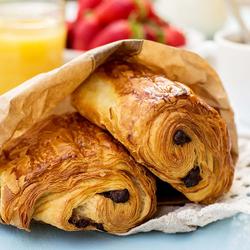
Cooking Class Description: Croissants get a tasty upgrade in this three-hour baking class! Learn all the traditional techniques of creating flaky croissants—mixing and laminating dough, shaping, proofing and baking—as well as two new flavors! You’ll...
-
(20)
Great class!...Great explanations and demonstrations of techniques....Excellent class with great baking advice! I look forward to my next class.
-
(12)
Great class!...Our croissants turned out great. I thought it was a little slow, but not the fault of the chef.
-
(4)
I love these online classes, tips and tricks from the professionals that really help you to nail it!...Great experience!
-
(2)
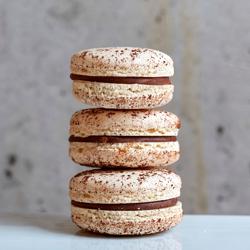
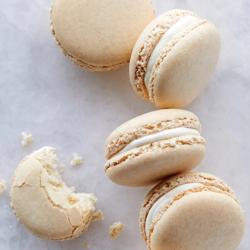
Cooking Class Description: Learn to create classic macarons in our latest three-hour baking class! Our chef instructor will teach you the skills and techniques for perfecting two macaron flavors: Toasted Almond and Strawberry. You’ll learn to build your...
-
Great recipes and fabulous teacher! Thank you Chef Candy!!!...Great recipes but these classes totally come down to the chef leading them....Candy was great and made our day! A really great teacher, super clear and kept the class focused....She is the...
French Breakfast Pastry Classes
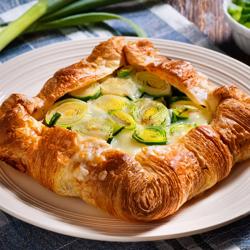
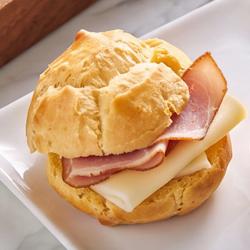
French breakfast pastry classes offer a delicious way to explore the art of classic morning treats. Whether you’re curious about flaky croissants or eager to master delicate pastries, these classes provide hands-on instruction in a relaxed, supportive environment. Perfect for home bakers and passionate food lovers alike, french breakfast pastry classes invite you to discover new skills and bring a touch of Parisian charm to your own kitchen.
French Breakfast Pastry Classes
-
"already planning his first batch this weekend of which I will be the lucky recipient, thank you for a great"
-
"Great class"
-
"Great class"
-
"Candy was great and made our day! A really great teacher, super clear and kept the class focused"
-
"Didn't love being in a group of four working on one meal"