-
(61)
wonderful) but of the details of the class:
-instructor was knowledgeable, personable & led a great...I love The British Baking Show, and they always show all these delicious-looking patisseries....great instructors, but......We had a great time! -
(54)
Great class!...Liz was a great teacher and we got tons of hands on experience making all three desserts....Larissa was a great instructor, had a great time. Highly recommend.
-
(52)
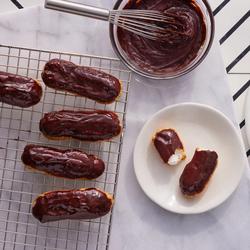
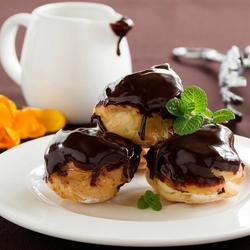
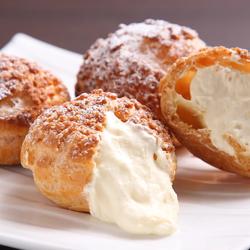
Overall we had a great time, learned that the eclairs were not that hard to make, and that the pastry
-
(13)
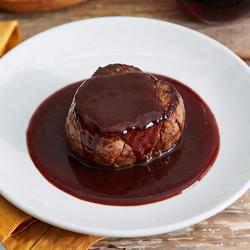
Cooking Class Description: Cook like you’re in wine country while learning timeless techniques. Master pan-searing a fillet with red wine–shallot reduction, roast fingerling potatoes until crisp and balance flavors in a roasted beet and goat cheese salad...
-
(4)
I love these online classes, tips and tricks from the professionals that really help you to nail it!...Great experience!
-
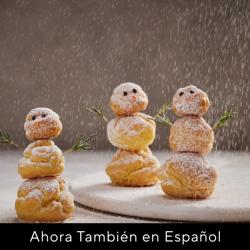
Cooking Class Description: Esta clase virtual se enseñará completamente en español. ¡Crea adorables muñecos de nieve comestibles en esta clase llena de diversión familiar! Nuestro chef instructor te guiará para preparar tres tamaños distintos de pâte...
-
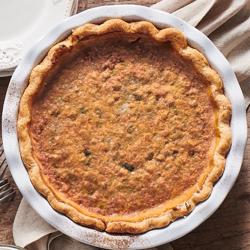
Cooking Class Description: Underrated but absolutely scrumptious, we're making the humble chess pie in this baking class! Our chef instructor will teach you how to make a flaky pie crust from scratch and a maple flavored custard filling enhanced with...
French Custard Dessert Classes
Discover the art of creating classic French custard desserts with our French custard dessert classes. Whether you're new to baking or looking to refine your pastry skills, these hands-on classes offer step-by-step instruction in crafting silky-smooth treats that capture the essence of French patisserie. Explore time-honored techniques and elevate your dessert repertoire as you master the delicate balance of flavor and texture that makes these sweets so irresistible.
Best Of FAQ
Our French Custard Dessert Classes cover classics like crème brûlée, pots de crème, and île flottante. You'll learn the techniques behind these silky, elegant desserts and how to make them at home.
No prior experience is necessary. Our classes are designed for all skill levels, from beginners to seasoned home bakers. Our chefs guide you step by step, so you can learn with confidence.
Yes, you’ll receive detailed recipes and helpful tips so you can recreate each French custard dessert in your own kitchen.
Our French Custard Dessert Classes are hands-on, giving you the chance to practice each technique alongside our expert instructors.
Absolutely! Cooking is even more enjoyable when shared. You’re welcome to sign up with friends or family and enjoy creating delicious desserts together.
-
"Ben is a GREAT asset to your company. Thank you Chef Ben and Sur la table"
-
"Ben is a GREAT asset to your company. Thank you Chef Ben and Sur la table"
-
"My husband and I really had a great time. Not only was it a lot of fun, the food was spectacular"
-
"Liz was a great teacher and we got tons of hands on experience making all three desserts"
-
"Liz was a great teacher and we got tons of hands on experience making all three desserts"