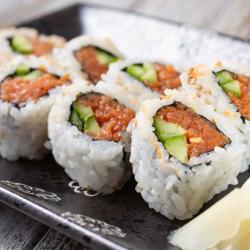
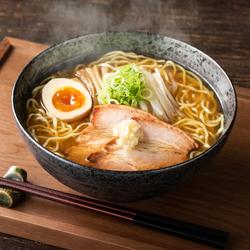
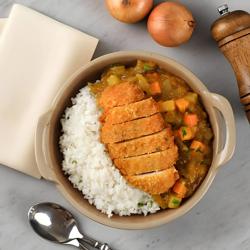
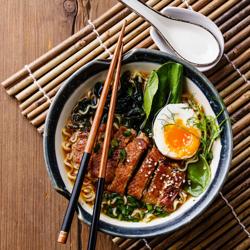
A Japanese cooking class makes a thoughtful gift for a Japanese cuisine fan who would love to learn how a favorite meal comes together. Start with what the recipient likes to eat, not what sounds the most impressive to make. Someone who always orders sushi might enjoy discovering how much of the work happens before the first roll, from seasoning the rice while it’s warm to spreading it without pressing the grains into a paste. A ramen fan may be more curious about what gives a bowl its depth and why the broth, concentrated seasoning and noodles are prepared separately. For a home cook who’s looking for ideas for everyday dinners, a menu built around rice, soup and small sides can be every bit as appealing. Learning how dashi adds a subtle savory note to a bowl of soup or a dish of simmered vegetables gives that cook something to use long after class. Japanese cooking spans regional specialties, restaurant favorites and meals made at home, so even someone who knows exactly what to order at a favorite spot may find plenty that’s new at the prep table. Think of the friend who always notices how crisp the tempura is or the relative who tries to figure out what makes the dressing on a side of greens so good. Those little clues can point toward a gift that feels chosen for them. A menu with one familiar dish and one unfamiliar technique is a good fit for many cooks: there’s something they’re excited to eat and something they wouldn’t ordinarily think to try. The most useful lesson might be one small detail, like tasting the broth before adding the noodles so there’s still time to adjust the seasoning.
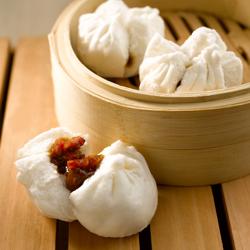
The way someone likes to learn matters just as much as the menu. A beginner who rarely strays from a few familiar dinners may feel more comfortable with a class that takes time to cover the basics. A confident cook might prefer to spend that time on a technique they’ve tried at home without getting the result they wanted. Dumpling folding is a good example of where in-person instruction helps. It’s hard to judge from a photo how much filling fits in a wrapper, but it’s easier to remember how the edges feel when there’s enough room to pinch them closed. The same goes for seeing how lightly to mix tempura batter or tasting a broth before and after seasoning it. Those are details a recipe can describe, but seeing and tasting the difference makes them easier to recognize the next time. Read the class description for the skills covered and how the session is set up. A hands-on format suits someone who learns by doing, while a cook who likes to watch the process before trying it may appreciate time to observe a demonstration. It’s also worth thinking about the length of the class and how comfortably it fits into the recipient’s day. A longer session could be just the thing for someone who enjoys making a day of a cooking project; a more focused lesson may suit someone with a busy schedule. If allergies or dietary preferences are part of the decision, check how they’re handled before choosing. Fish-based stock can be part of a dish even when there’s no visible seafood, and soy sauce often contains wheat. A quick check ahead of time can help the recipient focus on the cooking rather than sorting out what’s in the meal.
A Japanese cooking class can be a gift for one person or a chance to spend time together. For a birthday, a class built around the guest of honor’s favorite flavors makes a natural plan for friends who would otherwise meet over dinner. For an anniversary, a couple might enjoy dividing the prep, tasting as they go and coming away with a dish they can make together again. It can also be a good thank-you for the neighbor who’s always bringing over something from the kitchen or a gift for a sibling who likes to spend an afternoon getting a new recipe just right. Someone who’s happiest working through a new technique at their own pace may enjoy taking a class solo, without having to coordinate with a group. For a shared gift, look for a menu that appeals to both people even if their experience levels differ. One may be learning to fold a dumpling for the first time while the other is paying closer attention to the seasoning in the filling; both have a reason to be at the table. Food can also be a way to revisit a trip or get to know a place someone hopes to visit. If the recipient still talks about a bowl of noodles they ate in Japan, a class can give them a new way to understand what made it memorable. For someone whose interest in Japanese food goes hand in hand with a love of travel, explore
Gifts for Travelers Who Love Japanese Culture for more ideas. The real pleasure of giving a cooking class is that it doesn’t have to end with the meal. The recipient might go home ready to try the whole menu, or they might simply take more care with the rice the next time they make dinner. Either way, it’s a gift that meets them at the table and gives them something to bring back to their own kitchen.