Japanese cooking classes make thoughtful gifts for travelers who love Japanese culture, connecting the pleasure of a memorable meal with skills they can bring home. For someone who remembers a neighborhood noodle shop as vividly as a famous landmark, learning how a dish comes together can be more meaningful than another souvenir. A cooking experience offers a closer look at ingredients, preparation methods, and the small decisions that shape flavor and texture. It can suit a traveler preparing for a first visit to Japan, a frequent visitor eager to revisit familiar tastes, or a home cook whose interest began with Japanese restaurants closer to home. The appeal is not simply recreating a restaurant plate. It is understanding why rice needs careful handling, how a broth develops depth, or what gives a sauce its balance of saltiness, sweetness, and acidity. Those details can make future meals more engaging, whether the recipient is cooking dinner or exploring a new destination. Japanese food traditions are diverse, with regional specialties and approaches that range from everyday home cooking to highly specialized restaurant techniques. A focused class offers a manageable introduction to one part of that culinary landscape without treating a single dish as a complete picture of the culture. For gift giving, that focus is useful: a recipient fascinated by noodle shops may enjoy a different experience from someone who loves the precision of sushi preparation. Birthdays, anniversaries, graduations, and celebrations before or after a trip are all natural occasions for a food-centered experience. The strongest connection comes from the recipient’s own interests, whether that means learning a familiar favorite, trying an unfamiliar technique, or spending time cooking with someone who shares their curiosity. Unlike a keepsake that stays on a shelf, the experience can become part of an ordinary evening at home, bringing a little more care and intention to a meal the traveler already loves.
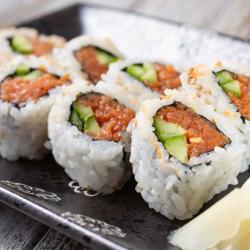
The learning experience matters as much as the finished dish. In a hands-on Japanese cooking class, the most useful lessons often involve recognizing what is happening along the way: the feel of properly prepared rice, the aroma of a developing broth, or the change in texture as vegetables cook. A sushi-focused menu, for example, can introduce the relationship between rice preparation, seasoning, filling proportions, and shaping. Even a simple roll requires attention to how much rice is used and how evenly the ingredients are arranged. A noodle-centered experience can shift the emphasis toward broth, seasoning, toppings, and timing, showing how separate elements come together in one bowl. Classes built around other Japanese dishes may explore careful cutting, crisp coatings, pan-frying, or the balance between a richly flavored main dish and a lighter accompaniment. These are distinct learning experiences, so the menu provides a better sense of fit than a broad cuisine label alone. Ingredients such as miso, soy sauce, rice vinegar, kombu, and dried shiitake mushrooms can also give curious cooks a clearer vocabulary for flavors they recognize but have not yet learned to build. Their roles differ, and understanding those differences is more useful than treating them as interchangeable shortcuts to a vaguely Japanese taste. Instruction can help connect an ingredient to its purpose, from adding savory depth to bringing brightness or balancing sweetness. Technique also carries beyond a single recipe. Consistent cuts help ingredients cook evenly; organized preparation makes a multi-part meal easier to manage; tasting at different stages helps a cook understand how seasoning develops. For a traveler, those lessons can change the experience of eating out as well. A bowl of soup or a neatly shaped piece of sushi becomes easier to appreciate when the work behind it is less mysterious. The result is a gift with both an immediate pleasure—a meal made with attention—and a practical afterlife in the recipient’s own kitchen.
Choosing a cooking experience around the person receiving it helps make the gift feel personal rather than generic. A beginner may feel most comfortable with a class that clearly welcomes foundational skills, while an experienced home cook may be drawn to a technique that requires more precision or practice. Someone who enjoys participating in every step may prefer hands-on instruction; someone who likes watching a method unfold before trying it at home may appreciate a demonstration format. The class description can clarify that distinction, along with the expected skill level, session length, and menu. Whether the recipient will attend alone, with a partner, or alongside a friend also shapes the experience. A shared class can create time together beyond the usual dinner reservation, with small tasks to divide and a finished meal to enjoy. A solo attendee may value the chance to concentrate on a personal interest without needing a travel companion to share it. Dietary needs deserve equal attention. Japanese dishes may contain fish-based stock, shellfish, wheat, soy, sesame, or eggs, including in sauces and components that are not obvious from a dish’s name. Confirming ingredients and accommodation policies before choosing helps avoid giving an experience the recipient cannot comfortably enjoy. Comfort with handling raw ingredients, standing through preparation, and working alongside other participants may matter, too, depending on the format. For someone whose culinary interests extend beyond Japan,
Gifts for Asian Food Lovers offers a related starting point while leaving room to choose a particular cuisine or cooking tradition that genuinely interests them. A well-matched experience does not need to cover everything. One clearly explained technique, one new understanding of an ingredient, or one dish the recipient feels ready to cook again can give the gift lasting value. For travelers who connect with places through food, that kind of familiarity offers another way to keep exploring between journeys.