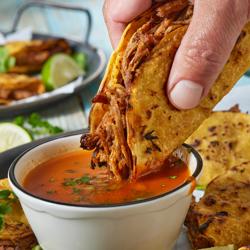
Mexican cooking classes for fall bring the season’s hearty ingredients into a cuisine shaped by regional traditions, careful preparation, and layers of flavor. Squash, beans, corn, dried chiles, and pumpkin seeds offer plenty to explore, from the earthy richness of a sauce to the contrast of a crisp garnish against a tender filling. Depending on the menu, a class might focus on tacos with roasted vegetables, a deeply flavored braise, tamales, or a warming bowl of pozole. These dishes offer different ways to understand how Mexican cooking builds depth through roasting, toasting, simmering, and grinding—not simply through heat. A dried ancho chile can contribute fruity sweetness, while a roasted tomatillo brings brightness and a little char. Learning to recognize those qualities makes a familiar dish more interesting and helps explain why one salsa tastes distinctly different from another. Regional context matters, too. Oaxacan cooking encompasses a wide range of moles, while the Yucatán has distinctive traditions involving achiote and sour orange. A focused class can give those differences room to stand on their own rather than treating Mexican food as a single style. Fall menus are especially well suited to exploring the relationship between rich fillings, lively sauces, and fresh finishing touches. Think of soft squash alongside toasted pepitas, slow-cooked beans finished with a bright salsa, or a savory masa preparation balanced by something tangy and crisp. The appeal is not limited to making a generous dinner. It is also the chance to understand why a combination works and how individual preparations come together on the plate. For anyone drawn to autumn cooking with color, texture, and depth, these classes offer a setting for getting closer to the food, with the menu providing a clear starting point for choosing an experience.
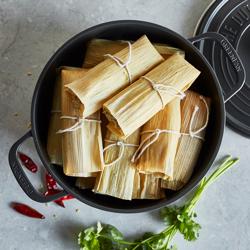
The most useful lessons often happen in the small moments that a written recipe cannot fully explain. In a hands-on Mexican cooking class, that might mean feeling how hydrated masa changes as it is mixed, seeing the difference between lightly toasted and scorched chiles, or tasting a sauce before and after its seasoning is adjusted. If tortillas are part of the lesson, their thickness, flexibility, and time on the cooking surface can become as important as the filling. A tamale-focused menu may introduce spreading masa and folding husks, while a class built around a stew or braise may emphasize developing a flavorful base and recognizing tenderness. These are examples of techniques to look for in class descriptions, rather than skills every session necessarily covers. Beginners can benefit from having an instructor explain unfamiliar ingredients and demonstrate a movement before they try it. More experienced home cooks may appreciate the chance to refine sauce texture, improve consistency, or better understand an ingredient they have previously used only occasionally. Neither audience needs a menu packed with complicated preparations to have a worthwhile experience. A well-developed salsa, a carefully cooked filling, and a tender tortilla can provide plenty to notice and practice. When comparing Mexican cooking classes for fall, consider whether the emphasis is on hands-on participation, demonstration, a particular regional tradition, or a complete meal. Read the description for the menu, expected experience level, session length, and any age requirements so the format matches the occasion. Ingredient questions deserve attention as well: Mexican dishes may include dairy, wheat, peanuts, sesame, or other allergens, even when those ingredients are not obvious from a dish’s name. Asking about dietary needs before booking helps clarify whether a particular class is a good fit. That preparation leaves more room to concentrate on the cooking, ask useful questions, and enjoy the meal with a better understanding of what went into it.
A fall Mexican cooking class can be a relaxed date, a shared outing with a friend, or a reason for relatives to spend time together doing something beyond sitting down at a restaurant. There is natural conversation in comparing the aroma of toasted spices, watching a sauce change color, or discovering how differently two people season the same preparation. For couples, a class can introduce dishes worth making together again; for friends, it can turn a shared interest in food into a more memorable afternoon or evening. Someone who usually handles dinner alone may enjoy sharing the work, while a curious cook attending independently can focus on learning without needing to organize a gathering. For an occasion centered on cooking together,
Mexican Cooking Classes for Groups offers a related place to explore experiences with that focus. A class can also make a thoughtful experience gift for someone who enjoys Mexican food, wants to become more comfortable in the kitchen, or prefers learning a skill to receiving another possession. The most meaningful choice is usually a menu that suits the recipient’s interests, whether that means working with masa, exploring salsas, or learning how patient cooking develops a satisfying main dish. Beyond the occasion itself, the lessons can carry into everyday meals and fall entertaining. A cook who understands how acidity balances a rich filling has something useful to bring to the next dinner, even when the ingredients change. Familiarity with a sauce or dough can make a meal for guests feel more manageable, and learning which components require close attention can help with planning. Mexican cooking classes for fall connect that confidence with the pleasures of the season: substantial dishes, richly colored ingredients, and food that invites people to linger at the table. The lasting value is both practical and personal—a clearer sense of technique, a more attentive palate, and a meal remembered for the experience of making it.