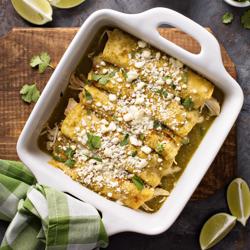
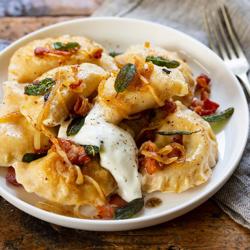
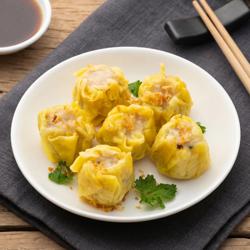
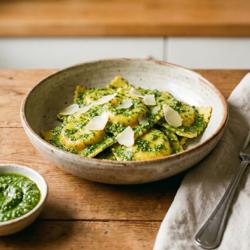
Summer Mexican cooking classes bring the bright flavors and relaxed spirit of warm-weather meals into a learning experience centered on Mexican cooking. Depending on the menu, a class may explore fresh ingredients, cooking over high heat, building flavor with chiles, or balancing rich dishes with herbs and acidity. The appeal reaches beyond the season: those same skills can make a weeknight dinner more interesting or bring a little sunshine to the table during the cooler months. Mexican cuisine is deeply regional, shaped by local ingredients, Indigenous food traditions, and generations of cooks, so a single class offers a focused introduction rather than a complete picture. Coastal cooking, vegetable-forward preparations, and foods associated with gatherings can each offer a different starting point. For home cooks, that variety is part of the draw. You might arrive comfortable following recipes but unsure how to judge a chile’s heat, or confident at the stove but eager to move beyond your usual rotation. A class can help connect written directions with the sensory details that make cooking easier: the fragrance of an ingredient as it toasts, the sound of moisture meeting a hot pan, and the change in texture that signals something is ready. Beginners can look for approachable instruction and opportunities to practice foundational skills, while more experienced cooks may prefer a menu that introduces unfamiliar techniques or ingredients. The best fit is a class whose description makes the experience clear, including what you will prepare, how you will participate, and any experience recommended beforehand. A summer-inspired theme need not mean outdoor cooking or a grill, either. Check the actual menu and format rather than assuming the title tells the whole story. What matters most is finding an experience that helps you understand both the flavors on the plate and the decisions that bring them together.
Much of the value of a Mexican cooking class lies in learning how small adjustments affect the finished meal. Chiles, for example, contribute far more than heat; depending on the variety and preparation, they can bring fruitiness, earthiness, or a gentle smoky note. Fresh and dried chiles behave differently, and learning when to roast, toast, soften, or blend them can open up a wider range of flavors. Toasting requires attention, because an ingredient can move from fragrant to bitter quickly. That moment is easier to recognize when you can observe it and ask questions rather than rely only on a time printed in a recipe. Acidity is another useful lesson. A squeeze of citrus may brighten a rich bite, but balance comes from tasting it alongside the salt, fat, and other ingredients rather than adding more automatically. Texture deserves the same care: a crisp vegetable, a smooth sauce, and a tender main component each bring something different to a meal. Where the class menu allows, working with dough or cooking on a hot surface can teach you to notice moisture, thickness, and temperature in practical ways. Even familiar tasks, such as chopping herbs or preparing vegetables, become more useful when you understand how their size and timing affect the result. Picture a home dinner where everything tastes good individually, but the plate still feels a little heavy. Knowing how to add freshness, contrast, or a touch of acidity gives you a way to adjust it without starting over. Those are the kinds of lessons worth looking for in a class: not simply a recipe to repeat, but a clearer sense of what to notice. You can carry that awareness into other meals, whether you are cooking for one, feeding a household, or setting out food for friends. Seasonal inspiration also becomes more flexible when you understand the role an ingredient plays, making it easier to ask about substitutions that preserve a dish’s balance without treating every ingredient as interchangeable.
Choosing among summer Mexican cooking classes also means thinking about the occasion and the way you like to learn. A class can be a welcoming outing for friends, a date built around a shared activity, or an opportunity to spend time with a family member away from everyday routines. Attending on your own can be just as rewarding, especially when your goal is to concentrate on a skill or explore a cuisine you enjoy eating but rarely cook at home. If you are considering a class as a gift, look beyond the theme to the recipient’s schedule, comfort level, and food preferences. Someone who loves trying new flavors may appreciate a different experience from someone hoping to build confidence with basic preparation. Before booking, review the location, duration, age requirements, and participation format, along with cancellation terms and any accessibility information you need. For a hands-on experience, check whether participants work individually or share tasks, since that can shape how much time you spend practicing each technique. Dietary needs deserve a careful look as well. Mexican cooking includes a broad range of ingredients, and a vegetable-focused description does not necessarily mean every component meets a particular dietary requirement. Confirm allergy policies and possible accommodations directly rather than assuming substitutions will be available. If your main interest is cooking for a gathering,
Mexican Party Cooking Classes offer a related theme to explore as you compare menus and occasions. For any class, consider what you would be excited to make again. The most useful takeaway might be learning to prepare components ahead, keeping a fresh element lively until serving, or understanding which step needs your full attention at the stove. At home, those details can mean less last-minute scrambling and more time at the table. A summer Mexican cooking class can capture the pleasure of a colorful, generous meal while giving you practical skills to use well beyond warm-weather entertaining.