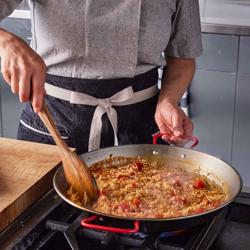
Online Mediterranean cooking classes bring the flavors and techniques of the Mediterranean region into your home kitchen through virtual instruction. They offer a way to explore regional cooking traditions, build practical skills, and prepare meals with ingredients such as vegetables, legumes, grains, olive oil, herbs, and seafood. Mediterranean cooking is not a single cuisine: it encompasses distinct food cultures across Southern Europe, North Africa, and the Eastern Mediterranean, each with its own seasonings, staple ingredients, and approaches to sharing a meal. A class focused on this region can help you appreciate those differences while recognizing common threads, including seasonal cooking, thoughtful use of pantry staples, and layers of flavor built from relatively simple ingredients. Depending on the menu, you might practice softening onions until they turn sweet, blooming spices in warm oil, or balancing a rich sauce with a squeeze of citrus. These small decisions often make the difference between a meal that tastes pleasant and one that feels complete. Watching an instructor work can also make sensory details easier to understand: the gentle sizzle that signals the right heat, the glossy surface of a well-mixed dressing, or the way tender vegetables yield under the edge of a spoon. For beginners, that connection between a written recipe and what actually happens in the pan can be especially helpful. More experienced home cooks may find inspiration in an unfamiliar technique or a different way to season ingredients they already enjoy. The online setting adds another useful dimension: you practice in the kitchen where you cook every day, using your own workspace and learning how the method behaves on your stove. During the cooler months, the appeal is easy to picture—a warm kitchen, the scent of garlic and herbs, and a meal that brings bright flavors to the table without needing an elaborate occasion.
Choosing among online Mediterranean cooking classes starts with the kind of cooking you want to bring into your routine. Some menus may emphasize vegetable-forward meals and legumes, while others explore seafood, grains, breads, or dishes suited to a leisurely shared dinner. Look for a class description that explains the menu, skill level, session length, and format so you can find an experience that fits both your interests and your schedule. Live online classes and on-demand lessons offer different experiences; a live session may include opportunities to ask questions as you cook, while a recorded lesson can allow you to pause and revisit a step. Check the individual listing for the format and support provided rather than assuming every virtual class works the same way. Ingredient and equipment requirements matter, too, especially when a recipe calls for advance preparation or an ingredient that is unfamiliar to you. Knowing what to have measured, washed, or chopped before the lesson helps you spend more time watching and learning instead of searching through a cabinet. If you have dietary restrictions, review the menu and any available substitution guidance before booking. Mediterranean menus often include vegetables and beans, but they can also contain wheat, dairy, eggs, nuts, or seafood. Beyond the practical details, consider which skills you would like to carry into future meals. Learning to season in stages, manage the moisture in vegetables, or coordinate components so everything reaches the table together can serve you long after the class ends. If Italian regional cooking is a particular interest,
Online Italian Cooking Classes offer a related direction to explore within the broader Mediterranean theme. There is value in both approaches: a broad regional class can introduce new flavor combinations, while a more focused lesson can help you understand the character of a particular culinary tradition. The best fit is a class whose food you are genuinely excited to cook again, whether for a quiet evening at home or a table full of friends.
An online Mediterranean cooking class can suit a first-time cook, a couple looking for an at-home date night, friends planning a shared activity, or someone hoping to move beyond a familiar rotation of dinners. It can also be a thoughtful experience to give someone who enjoys cooking and would welcome time set aside to learn, provided the class schedule and participation details work for them. The pleasure is not limited to the finished meal. There is something satisfying about noticing a sauce come together, getting a better feel for seasoning, or realizing that a technique you once found intimidating is manageable when broken into clear steps. For people who regularly cook for others, these lessons can build confidence in planning a menu with contrast: something warm alongside something crisp, a creamy element balanced by acidity, or a richly seasoned centerpiece with a simpler accompaniment. Those relationships are part of what makes many Mediterranean meals feel generous without requiring every dish to be complicated. A spoonful of cooking liquid can loosen a thick sauce; fresh herbs added near the end can lift a long-simmered dish; a brief rest can improve texture before serving. Depending on the lesson, an instructor may explain not just when to make those adjustments, but what to look for before making them. That understanding helps you respond to the ingredients in front of you, since the sweetness of a tomato, the saltiness of an olive, or the strength of a spice can vary. It is also what makes a class useful beyond a single recipe. A familiar scene after a good cooking lesson is returning to the same method on an ordinary evening, with a different vegetable or a smaller gathering, and feeling comfortable enough to make it your own. Whether your goal is more varied weeknight meals, relaxed entertaining, or a deeper appreciation of regional food traditions, online Mediterranean cooking classes offer an inviting way to make learning part of the meal.