
-
Great recipes and fabulous teacher! Thank you Chef Candy!!!...Great recipes but these classes totally come down to the chef leading them....Candy was great and made our day! A really great teacher, super clear and kept the class focused....She is the...
-
(4)
I love these online classes, tips and tricks from the professionals that really help you to nail it!...Great experience!
-
Cooking Class Description: Craving Italian sweets? Save yourself the long-haul flight and spend some time in our kitchen creating and indulging in these ultimate desserts. Our chef instructor will teach you to whip up mascarpone for a sweet and creamy...
-
(137)
already planning his first batch this weekend of which I will be the lucky recipient, thank you for a great...Gave my husband lessons as part of his sixtieth birthday celebration we had a great time our instructor...What a great class! Chef Eric was...
-
(99)
Cooking Class Description: Create an extraordinary holiday dessert that’s equally beautiful and delicious. In this three-hour class, we’ll teach you how to create Bûche de Noël—a traditional Christmas Yule log cake. You’ll learn to make this intricate...
-
(82)
Cooking Class Description: The flavors of the season shine on this macaron menu! Our chef instructor will guide you through making two tasty buttercream flavors—peppermint with white chocolate and mascarpone with cranberry curd. In this three-hour class,...
-
(74)
Great Holiday Cookie Class...This class provided lots of great tips for working with royal icing and terrific decorating ideas....Great class, could improve on supplies available...The cookie decorating class was great in that they shared a lot of tips...
-
(47)
Great class!...Liz was a great teacher and we got tons of hands on experience making all three desserts....Larissa was a great instructor, had a great time. Highly recommend.
-
(39)
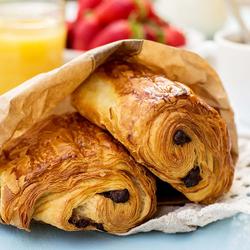
Cooking Class Description: Croissants get a tasty upgrade in this three-hour baking class! Learn all the traditional techniques of creating flaky croissants—mixing and laminating dough, shaping, proofing and baking—as well as two new flavors! You’ll...
-
(20)
Great class!...Great explanations and demonstrations of techniques....Excellent class with great baking advice! I look forward to my next class.
-
(16)
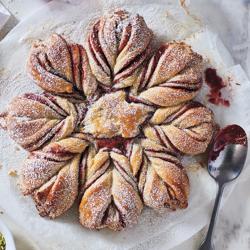
Cooking Class Description: Wake up to tasty treats! In this class, we teach you how to assemble Cinnamon Rolls and a Pull-Apart Wreath. You'll learn to make yeasted dough, how to shape, proof and flavor the dough, and create icings to enjoy later.
To...
-
(12)
Great class!...Our croissants turned out great. I thought it was a little slow, but not the fault of the chef.
-
(3)
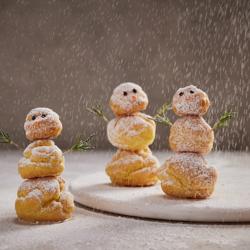
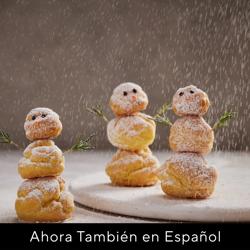
Cooking Class Description: Create adorable, edible snowpeople in this class full of family fun! Our chef instructor will walk you through creating three increasingly sized Pâte à Choux, then filling them with a sweet Pastry Cream. Everyone will laugh...
-
(2)
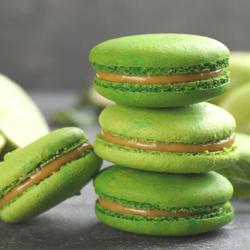
Cooking Class Description: Fall treats and French sweets meet in this Focus Series class! Our chef instructor will teach you all the skills and techniques for making Caramel Apple Macarons. You'll learn to build your batter, how to correctly meringue...
-
(2)
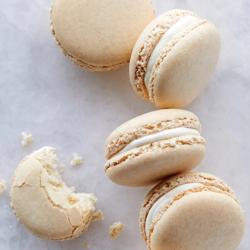
Cooking Class Description: Learn to create classic macarons in our latest three-hour baking class! Our chef instructor will teach you the skills and techniques for perfecting two macaron flavors: Toasted Almond and Strawberry. You’ll learn to build your...
-
Cooking Class Description: For more information on Private Events, or to schedule your own, please contact your local Sur La Table store, or visit our Private Events page.
What To Expect: In our classes you'll work together with other students (in groups... -
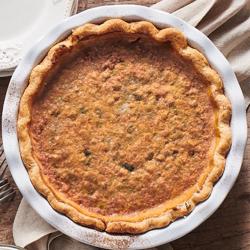
Cooking Class Description: Underrated but absolutely scrumptious, we're making the humble chess pie in this baking class! Our chef instructor will teach you how to make a flaky pie crust from scratch and a maple flavored custard filling enhanced with...
-
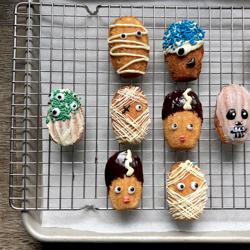
Cooking Class Description: The only thing scary about this class is how good the treats are. Join us as we make Halloween-themed Madeleines using royal icing and chocolate glaze. You'll learn creaming methods, baking tricks and decorating skills along...
-
Cooking Class Description: For more information on Private Events, or to schedule your own, please contact your local Sur La Table store, or visit our Private Events page.
What To Expect: In our classes you'll work together with other students (in groups... -
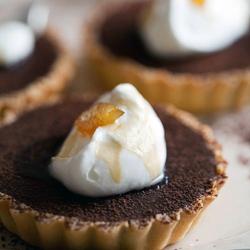
Cooking Class Description: One of our favorite pleasures of autumn is the aroma of homemade treats baking in the oven. In this hands-on class, our instructor will walk you through the steps of mixing, rolling, shaping and baking perfect tart dough. You’ll...
-
Cooking Class Description: Esta clase virtual se enseñará completamente en español. ¡Crea adorables muñecos de nieve comestibles en esta clase llena de diversión familiar! Nuestro chef instructor te guiará para preparar tres tamaños distintos de pâte...
-
Cooking Class Description: Bake up sweet memories and delicious desserts with the whole family! In this family-friendly class, our chef instructor will guide you through preparing, baking and assembling Whoopie Pies, Brownie S’mores Bars and Elephant...
Pastry Making For Beginners Classes
Pastry making for beginners classes offer an inviting way to discover the art of baking from scratch. Whether you’re curious about creating flaky croissants or want to master simple tarts, these classes are designed to help you gain confidence in the kitchen. Step-by-step instruction and hands-on practice make it easy to learn essential techniques, all in a supportive and approachable setting. Perfect for those new to baking, pastry making for beginners classes turn curiosity into delicious results.
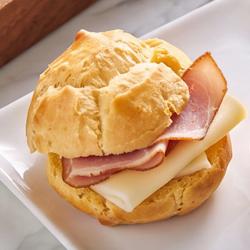
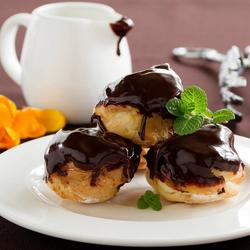
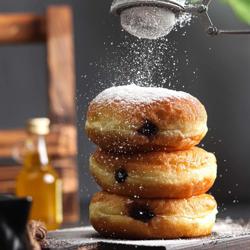
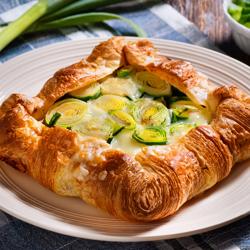


Pastry Making for Beginners Classes
-
"Liz was a great teacher and we got tons of hands on experience making all three desserts"
-
"Great class"
-
"I love these online classes, tips and tricks from the professionals that really help you to nail it"
-
"Our croissants turned out great. I thought it was a little slow, but not the fault of the chef"
-
"already planning his first batch this weekend of which I will be the lucky recipient, thank you for a great"