-
(79)
We always love the date nights. . Loved the company-You get to meet fun people....Chef Bre is the absolute best!...Chef Bre showed us that we can make great food at home with the right ingredients and technique.
Pros: fun, educational, friendly staff
-
(23)
Great experience!
Pros: delicious meal, helpful tips, fantastic experience
-
Cooking Class Description: Come celebrate alongside us with a menu as special as the milestone. You and your partner will cook a truly luxurious dinner from start to finish, guided by your chef instructor. Sear a petite filet and finish it with a bold...
Steak And Caesar Salad Cooking Classes
Steak and Caesar salad cooking classes offer a hands-on way to master two timeless favorites. Whether you're looking to perfect your searing technique or craft a crisp, flavorful salad, these classes provide the skills and confidence to bring classic steakhouse flavors to your own kitchen. With approachable instruction and plenty of opportunities to learn by doing, steak and Caesar salad cooking classes are designed for cooks of all levels who want to elevate their everyday meals.
Best Of FAQ
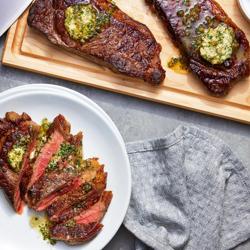
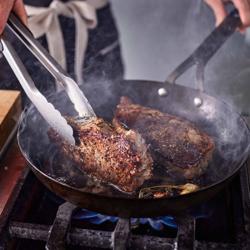
In a steak and Caesar salad cooking class, you'll learn essential techniques for selecting, seasoning, and perfectly cooking different cuts of steak. You'll also master making a classic Caesar salad from scratch, including preparing the dressing, croutons, and assembling the salad for optimal flavor and presentation.
No prior cooking experience is necessary. Our classes are designed for all skill levels, from beginners to seasoned home cooks. Instructors provide step-by-step guidance to ensure everyone can follow along and enjoy the process.
While the focus is on steak and traditional Caesar salad, some classes may offer tips or substitutions for dietary preferences. Please check the specific class description or contact us in advance to discuss alternative options.
Yes! At the end of the class, you'll have the opportunity to enjoy the delicious steak and Caesar salad you've prepared, making it both an educational and tasty experience.
All necessary ingredients and equipment are provided. Just bring your enthusiasm for learning and a willingness to try new techniques! Comfortable clothing and closed-toe shoes are recommended.


-
"Chef Bre showed us that we can make great food at home with the right ingredients and technique"
-
"Chef Bre showed us that we can make great food at home with the right ingredients and technique"
-
"Chef Bre showed us that we can make great food at home with the right ingredients and technique"
-
"Chef Bre showed us that we can make great food at home with the right ingredients and technique"
-
"What a great family excursion! We had a wonderful time with Chef Tony"