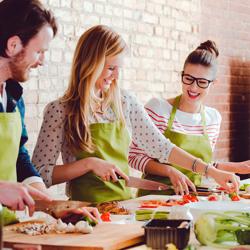
Thai cooking classes for couples turn a shared meal into something more memorable: time spent cooking together, discovering unfamiliar ingredients, and understanding the flavors behind favorite dishes. For couples planning a late-fall date, a hands-on class offers a welcome change from another dinner reservation, with conversation unfolding over chopping boards and the aroma of garlic, ginger, or toasted spices. The appeal goes beyond learning a recipe. Thai cooking often brings contrasting flavors into balance, combining the brightness of lime, the savory depth of fish sauce, the sweetness of palm sugar, and the heat of chiles in ways that make each bite feel complete. A class can help explain how those elements work together without reducing a varied culinary tradition to a single formula. Depending on the menu, the experience might center on fragrant curries, stir-fried noodles, fresh salads, or other dishes that introduce different textures and cooking methods. Coconut milk can soften the edges of a spicy curry, while fresh herbs can bring a clean, lively finish to a rich dish. Learning to recognize those relationships gives couples more to talk about than whether a meal tastes good; it helps them understand what makes it satisfying. Beginners can find an approachable introduction to working with ingredients they may have enjoyed only in restaurants, while confident home cooks can deepen their understanding of seasoning and timing. Partners do not need matching skill levels to enjoy the experience. One may feel comfortable with a knife while the other has a good instinct for tasting and adjusting, creating an opportunity to contribute in different ways. For an anniversary, an early holiday-season outing, or an evening set aside simply to reconnect, cooking together gives the occasion a focus beyond the usual routine. The result is both a meal and a shared experience, with small discoveries along the way that can become part of the couple’s own kitchen habits.
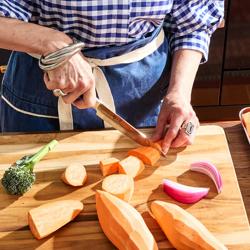
The most useful lessons in a Thai cooking class often happen between the steps of a recipe. An instructor might explain why an aromatic ingredient is sliced thinly rather than left in larger pieces, how the order of ingredients affects a stir-fry, or what changes when a sauce moves from a gentle simmer to a vigorous boil. Those details help connect a written recipe with the sights, sounds, and smells of cooking. Depending on the dishes being prepared, couples may practice organizing ingredients before turning on the heat, cutting vegetables into pieces that cook evenly, or coordinating components so a finished meal comes together smoothly. Noodle dishes can introduce the importance of texture and quick timing, while curries offer a different lesson in building flavor and managing consistency. A salad may show how a lively dressing brings together crisp vegetables, tender herbs, and savory accents without making every element taste the same. Working side by side also makes the teamwork visible. One partner can prepare garnishes while the other measures sauce ingredients, and both can taste along the way, noticing how a little more acidity or sweetness changes the overall balance. That exchange is especially helpful when partners have different preferences for heat or richness. Rather than treating spice as the defining feature of Thai food, a class can reveal the importance of fragrance, texture, and contrast. Regional traditions and individual dishes vary considerably, so the featured menu matters more than a broad expectation that everything will be fiery or coconut-based. Class descriptions are also important for anyone with dietary restrictions: Thai dishes may contain fish sauce, shellfish, peanuts, soy, wheat, or other ingredients that require attention. Any accommodation needs confirmation rather than assumption. Choosing an experience with a menu both people are interested in helps keep the evening focused on discovery, whether that means trying an unfamiliar preparation or gaining a better understanding of a dish already loved. Even a familiar bowl of noodles can feel different once its separate elements make sense.
A couples cooking class can suit established partners looking for a fresh date idea, newlyweds building a cooking routine, or two people who simply enjoy learning together. The shared task gives conversation a natural rhythm, with enough activity to keep the experience engaging and enough room for each person’s personality to come through. A careful planner may enjoy arranging ingredients before cooking begins, while a more intuitive cook may be drawn to tasting a sauce as its flavor develops. Both approaches have a place in the kitchen, and a class can help partners appreciate the strengths each brings. For couples whose autumn calendars fill quickly with gatherings and family commitments, setting aside an experience together can make a date feel intentional without requiring an elaborate celebration. Cooking classes can also make thoughtful experience gifts for partners who value time together and enjoy food, especially when the choice reflects their interests rather than an assumption about their abilities. The class format, duration, menu, and level of participation all help determine whether the experience feels like a good fit. Some couples want an introduction to unfamiliar flavors; others are interested in refining techniques they can use for regular dinners. The benefits can continue at home in modest, practical ways: more confidence preparing ingredients before cooking, a better sense of when to taste, or a clearer understanding of how to balance a sauce. Re-creating an entire class menu is not necessary for the experience to be useful. A single technique or a new appreciation for fresh herbs can change the way a familiar dinner comes together. Couples interested in making culinary dates a recurring tradition can also explore
Thai Cooking Classes for Couples in August as another way to plan time around a shared interest. Whatever the occasion, the lasting appeal is straightforward: learning something together, enjoying the meal that follows, and bringing a little more confidence and curiosity back to the kitchen.