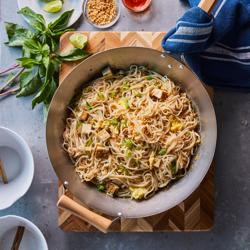
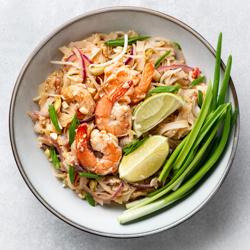
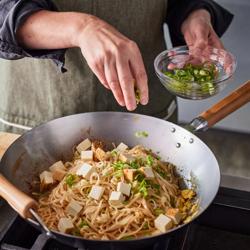
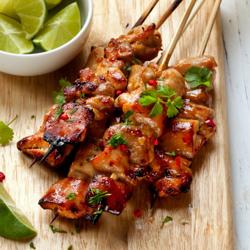
Thai cooking classes for couples offer a relaxed, hands-on way to spend time together while learning the techniques behind some of Thailand’s most beloved dishes. Designed for two people to cook side by side, these classes typically combine chef instruction, shared preparation, and a sit-down meal featuring the food you have made. Rather than watching a demonstration from a distance, couples can expect to take an active role at the cooking station, practicing skills such as wok cooking, sautéing aromatics, preparing fresh salads, and building sauces with the right balance of sweet, spicy, salty, and sour flavors. Menus may vary by class, but many explore familiar Thai favorites alongside regional ingredients and cooking methods. Expect bright herbs, fragrant citrus, chiles, coconut-based sauces, and savory seasonings to work together in layers. A good class gives you time to taste as you go, adjust seasoning, and understand how a few small changes can transform a dish. That practical guidance is especially useful for home cooks who want more confidence working with ingredients such as lemongrass, galangal, fish sauce, coconut milk, rice noodles, and fresh herbs. During the cooler months, an evening spent making a fragrant curry or a hot wok dish can feel especially inviting, but the lively flavors and social format make these classes enjoyable in any season.
When choosing a Thai cooking class for two, start by considering the menu, level of participation, class length, and setting. Some sessions focus on a compact selection of dishes that can be prepared and enjoyed in a relaxed evening, while others offer a more intensive experience with several courses and additional time for technique. Couples who are new to Thai cooking may appreciate a class that explains foundational flavor combinations and provides clear instruction at every step. More experienced home cooks may prefer a menu that introduces unfamiliar ingredients, regional specialties, or more advanced knife and wok techniques. It is also worth checking whether the class accommodates dietary preferences or allergies, especially when menus include seafood, fish sauce, shellfish, dairy, gluten, or nuts. Practical details matter, too. Comfortable clothing and closed-toe, non-slip shoes are generally the best choice for a working kitchen, and long hair should be secured before cooking begins. Since the experience often includes standing, stirring, chopping, and moving between preparation and cooking areas, ease of movement is more useful than dressing for a formal dinner. The shared meal at the end is part of the appeal: after working through the menu together, couples can sit down, compare notes, and enjoy food that carries the memory of the evening with it. For those planning ahead across different seasons, browsing [
Thai Cooking Classes for Couples in August] can also be a helpful way to compare class themes and timing.
A Thai cooking class can be a thoughtful gift for a partner, newlyweds, close friends, or anyone who prefers an experience they can share rather than another item for the home. It suits couples celebrating an anniversary, marking a birthday, planning a date night, or simply looking for a memorable change from the usual dinner reservation. Because the class includes instruction and a meal, it can appeal to people with different cooking backgrounds: one person may already feel comfortable at the stove while the other is learning how to hold a chef’s knife or judge when aromatics are ready. The best experiences make room for both participants, dividing tasks naturally so each person has something meaningful to do. A class can also inspire future meals at home. After learning how to balance lime, chile, herbs, and savory seasonings, cooks may begin to see familiar pantry ingredients differently and feel more willing to experiment. The techniques are useful beyond one menu, from managing high heat in a wok to preparing ingredients in advance so cooking feels organized rather than rushed. When comparing the classes listed on this page, look for a menu that sounds appealing to both guests, an experience level that feels encouraging, and a schedule that allows enough time to enjoy the process. A well-chosen class should leave couples with more than a satisfying meal: it should give them practical skills, shared stories, and the confidence to bring the energy of a Thai kitchen into their own cooking.