Thai cooking classes for winter date nights offer couples a hands-on way to spend time together, learn new kitchen skills, and explore dishes with fragrant herbs, bright citrus, and satisfying warmth. Instead of spending the evening across a restaurant table, a cooking class puts the meal itself at the center of the date: preparing ingredients, watching a sauce come together, and noticing how a small adjustment changes the flavor. That shared activity gives the evening a natural rhythm, with plenty to talk about beyond the usual dinner conversation. For a newer couple, having a task to focus on can take some pressure off making conversation. For longtime partners, working through an unfamiliar recipe can bring a welcome change from the routine of deciding what to cook after work. Thai cuisine is especially engaging in this setting because flavor develops through the relationship between ingredients, not simply through adding more spice. Lime or tamarind can provide acidity, fish sauce can contribute savory depth, and a little sweetness can round out a sharp edge. Chiles may add heat, but a Thai meal does not have to be overwhelmingly hot to be expressive and delicious. Depending on the menu, the experience might center on a fragrant curry, a lively noodle dish, or a soup layered with aromatic ingredients. Each offers a different opportunity to practice tasting and adjusting rather than following a recipe without understanding it. Winter adds a fitting backdrop for a date built around cooking and eating together, particularly when the alternative is another evening on the couch. The appeal is not just a steaming bowl at the end; it is the pleasure of paying attention to something together. Couples with different levels of kitchen confidence can both find something meaningful in that process, whether one is learning how to organize ingredients or the other is refining the timing of a familiar technique. The result can be an evening that feels relaxed and purposeful without needing an elaborate itinerary.
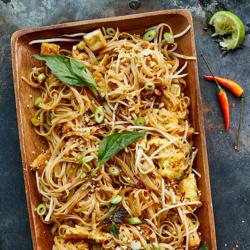
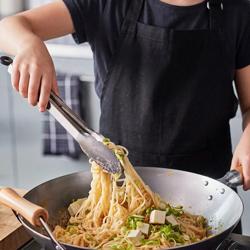
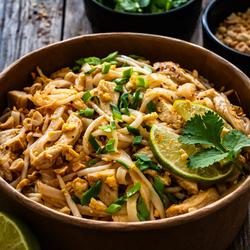
The learning in a Thai cooking class can be practical enough to carry into everyday meals while still making the date feel like a departure from ordinary dinner prep. A menu featuring stir-fried noodles, for example, may introduce the importance of preparing ingredients before heating the pan, managing moisture, and adding components in an order that keeps vegetables crisp and noodles from becoming overly soft. A curry-focused class may explore how aromatic paste, liquid, and seasoning work together, including the difference between a gentle simmer and a boil that is too vigorous for the dish. Soups offer another kind of lesson: how ingredients such as lemongrass, galangal, or makrut lime leaves can infuse a broth, and why some aromatics are used for flavor rather than eaten. These details help explain what makes a dish work, giving both partners more to take home than a set of measurements. Thai cooking also rewards sensory attention. The aroma rising from a pan, the texture of a noodle, and the balance of a spoonful of sauce can all provide useful cues. Learning to recognize those cues makes cooking feel less like guessing. Menus and teaching formats differ, so the class description is the best place to understand the evening’s focus, expected experience level, and whether participants will work in pairs or share tasks with a larger group. A date-night theme does not necessarily mean a private lesson, and the social energy of a group class can be part of the enjoyment. Dietary needs deserve attention before choosing a session, since Thai recipes may include fish sauce, shellfish, peanuts, eggs, wheat, or other ingredients that matter for allergies and personal preferences. A vegetable-centered dish is not automatically vegetarian, and substitutions can change both flavor and technique. Checking the stated menu and asking about accommodations ahead of time helps set clear expectations. For couples who like different levels of chile heat, it is also worth understanding whether seasoning can be adjusted individually or is prepared for the whole group.
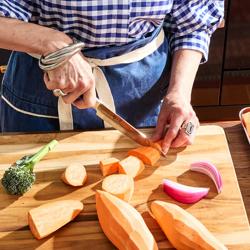
Choosing a winter date-night cooking class is partly about the food and partly about the kind of evening two people want to share. Beginners may enjoy a menu with recognizable dishes and a clear introduction to foundational techniques, while more experienced home cooks may be drawn to unfamiliar aromatics or a preparation they have never quite mastered. Neither partner needs to turn the date into a test of kitchen ability. One person might enjoy careful knife work while the other gravitates toward tasting a sauce, and switching tasks can make the experience more collaborative. Even a small discovery, such as understanding why a squeeze of lime belongs at the finish, can become something both people remember the next time they cook. That makes these classes a thoughtful option for an anniversary, a winter birthday, or a planned evening together that deserves more attention than the usual takeout order. As an experience-based gift, a class can also suit someone who enjoys learning, trying different cuisines, or making time for a partner without adding another possession to the kitchen. The strongest choice reflects both people’s tastes and comfort levels rather than simply selecting the most ambitious menu. For another way to explore a shared interest in cooking,
Thai Cooking Classes for Unique Date Ideas connects the appeal of Thai cuisine with an evening built around doing something together. The experience can continue at home without requiring a complete recreation of every dish. Preparing one sauce with greater confidence, organizing ingredients before turning on the stove, or learning to taste for acidity as well as salt can make a familiar dinner more satisfying. Those small habits are useful long after the date itself. A memorable winter evening does not have to depend on a complicated plan; sharing the work, following an intriguing aroma, and discovering a flavor together can be enough.