-
(4)
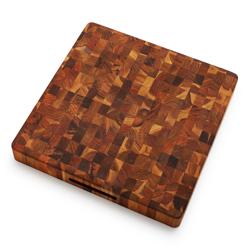
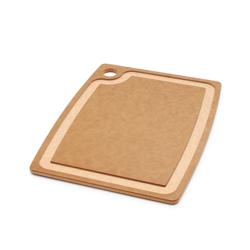
A reversible walnut cutting board with a juice groove and flat surface for everyday kitchen needs.
Pros: appearance, smoothness, comfortable feel
-
(12)
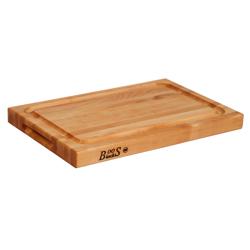
A handcrafted walnut-brown maple cutting board with a mineral oil finish and convenient juice groove.
Pros: beautiful, small size, size
-
(28)
A durable, dual-sided cutting board with a juice groove, heat resistant up to 350°F.
Pros: dishwasher safe, sturdy, versatility
-
(1)
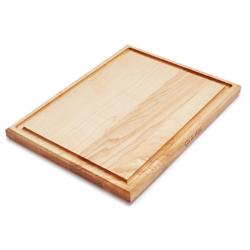
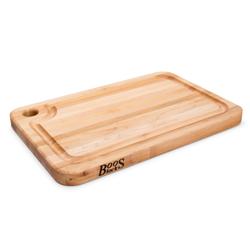
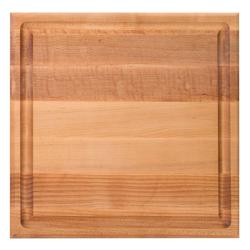
A reversible maple wood cutting board featuring a juice groove, chamfered edges, and convenient arc handle.
-
A reversible cutting board made from sustainably sourced, hand-selected solid Northern Hard Rock Maple Wood.
-
(4)
A premium maple cutting board, perfect for home cooks and professional kitchens alike.
Pros: awesome, regular use, appearance
-
(24)
A reversible edge-grain maple cutting board with a deep groove to catch liquid, available in tan.
Pros: easy to clean, quality, great quality
-
(2)
A double-sided maple cutting board with a groove to capture juices, naturally resistant to bacteria.
Pros: perfect size, great for daily use, suitable for display
-
(116)
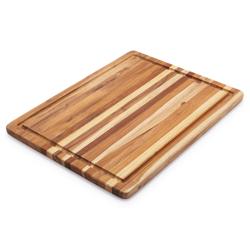
A reversible cutting board made from sustainably grown teak wood with a beautiful natural grain pattern.
Pros: appearance, size, functionality
-
A sturdy, brown walnut cutting board from Alcantara-Frederic, perfect for cutting, serving, and entertaining.
-
(44)
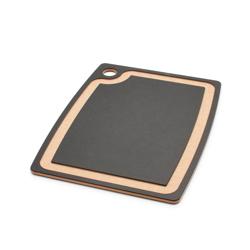
A tan, eco-friendly cutting board that is gentle on knives and heat resistant up to 350°F.
Pros: dishwasher safe, non-slip, easy to clean
-
(1)
A beautiful, double-sided maple cutting board with a groove to capture juices and a smooth cutting surface.
Pros: beautiful, improved with oil and cream, heavy duty
-
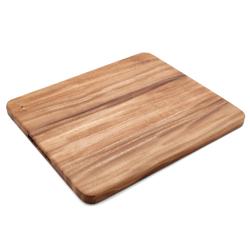
A stunning, durable acacia wood cutting board that is gentle on cutlery and naturally antibacterial.
-
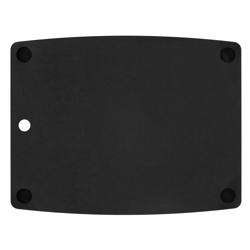
(5)
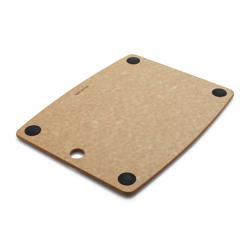
A durable, knife-friendly cutting board made from non-porous wood-fiber composite, perfect for busy kitchens.
Pros: appearance, love, replaces plastic board
-
(6)
A durable, knife-friendly cutting board made from non-porous wood-fiber composite, perfect for busy kitchens.
Pros: easy to clean, effective, dries quickly
-
(45)
A tan, eco-friendly cutting board that is gentle on knives and heat resistant up to 350°F.
Pros: lightweight, easy to clean, quality
-
(1)
A reversible maple wood cutting board with a drip-collecting groove, proudly crafted in Illinois.
Pros: great product
-
(31)
A tan non-slip cutting board that is gentle on knives, eco-friendly, heat resistant, and dishwasher safe.
Pros: easy to clean, dishwasher safe, dishwasher-safe
-
(1)
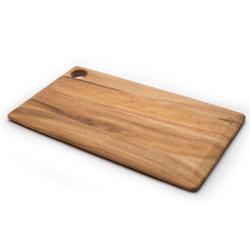
A durable acacia wood cutting board with a rich grain and convenient grommet for hanging.
Pros: usefulness, beauty
-
(61)
A brown, eco-friendly cutting board made from natural wood fiber that is non-porous and dishwasher safe.
Pros: easy to clean, durable, dishwasher-safe
-
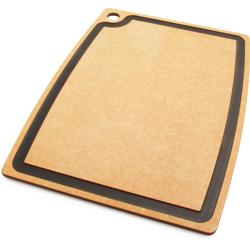
A tan paper composite board with a deep juice groove, ideal for grilling, carving, and everyday prep.
-
(32)
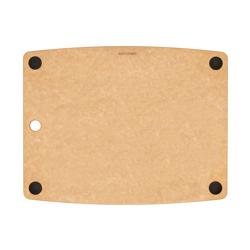
A durable, dishwasher-safe set of 2 tan cutting boards with nonslip buttons and a drip-catching groove.
Pros: durable, quality, price
-
(30)
A versatile acacia wood cutting board with built-in juice grooves for easy food prep and serving.
Pros: appearance, sturdiness, juice groove
-
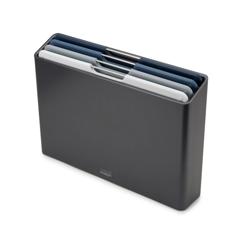
(49)
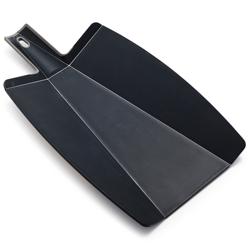
A durable, knife-friendly cutting board with a foldable chute and nonslip feet for secure use.
Pros: versatility, functional, color
Cutting Board Under $100
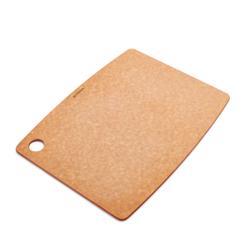
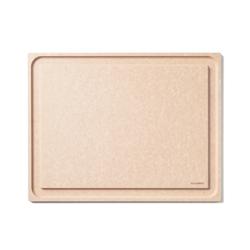
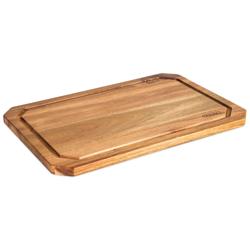
A cutting board is one of the most important tools in a kitchen. It's where you chop, slice, and dice vegetables and meats for cooking, baking, and other recipes. A good cutting board is essential for food safety and hygiene. The best cutting boards are made from wood or plastic and have a non-slip surface to keep them from sliding around while you work. They should also be sturdy enough to last for years of regular use. These cutting boards under $100 are great options for almost any home chef, as they offer quality and durability for a reasonable price. Here are some great options.






Cutting Board Under $100
FAQ List
There are several types of cutting boards, including wood, plastic, and bamboo. Each material has its own advantages and disadvantages.
The best way to clean a cutting board depends on the material. Wood cutting boards should be washed with soap and water and dried immediately. Plastic cutting boards can be put in the dishwasher or washed with soap and water. Bamboo cutting boards should be washed with soap and water, but should not be soaked or put in the dishwasher.
The size of cutting board you need depends on your personal preference and the amount of food you plan to prep. A larger cutting board can be more versatile, but may be harder to store. A smaller cutting board can be easier to store, but may not be as versatile.
It is not recommended to use the same cutting board for meat and vegetables to prevent cross-contamination. It is best to have separate cutting boards for raw meat and vegetables.
Wooden cutting boards are generally the best for knives, as they are softer than other materials and will not dull knives as quickly. However, bamboo cutting boards are also a good option, as they are durable and eco-friendly.
-
"This is the best board I have ever owned. Does not stain, great on the knives and dishwasher ready"
-
"This is the best board I have ever owned. Does not stain, great on the knives and dishwasher ready"
-
"I have several sizes of these, and love and use all of them, all the time"
-
"This board is the best I have ever owned! It is the perfect size for my needs"
-
"As long as you properly care for this board it is great"