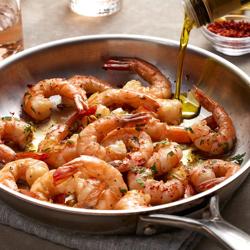
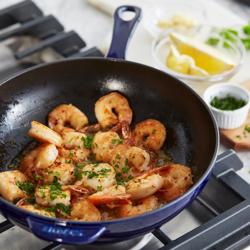
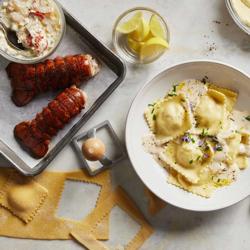
Seafood cooking classes with citrus menus explore a pairing that can make a simple meal feel especially satisfying: tender fish or shellfish balanced with the brightness of lemon, lime, orange, or grapefruit. Citrus brings more than tartness to the plate. Zest contributes fragrant oils, juice adds acidity, and neatly cut segments offer bursts of flavor and a contrast in texture. Each behaves differently alongside seafood, giving these classes a useful focus for anyone interested in understanding how ingredients work together. Depending on the menu, the experience might center on a golden sear, a gently cooked fillet, or shrimp served with a sauce that balances richness and tang. The interest lies in those small but meaningful decisions: whether the citrus belongs in the pan or at the finish, how much acidity a delicate piece of fish can carry, and which herbs or accompaniments help the meal feel complete. A lemon sauce softened with butter has a different character from a lime dressing with fresh herbs, while orange can bring a rounder sweetness to a savory dish. Exploring those differences with an instructor gives home cooks a chance to connect flavor with technique rather than simply follow a list of ingredients. These classes can appeal to someone who enjoys ordering seafood at restaurants but rarely prepares it at home, as well as a regular cook looking for ideas beyond a familiar squeeze of lemon. Menus built around seafood and citrus also provide a clear starting point for exploring different cooking styles without losing sight of approachable, repeatable skills. The result is an experience grounded in the details that matter at dinner: seafood with a pleasing texture, a sauce that complements rather than overwhelms it, and accompaniments that belong on the same plate. That combination of focused technique and distinct flavors gives the class a purpose that carries naturally into everyday cooking and meals shared with guests.
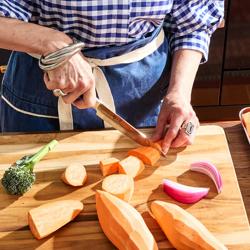
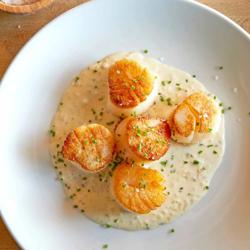
Much of the learning in a seafood class comes from seeing and feeling changes that can be difficult to judge from a recipe alone. A fillet turning opaque at the edges, a scallop developing a browned surface, or shrimp becoming firm enough to serve all offer cues worth understanding. Instruction can help connect those observations with decisions about pan heat, cooking time, and when to stop. For someone who has struggled with fish sticking to the pan or seafood becoming dry while the rest of dinner catches up, that context can be especially useful. Citrus introduces another layer of judgment because its acidity affects both flavor and texture. A menu that includes a marinade, for example, offers a different learning opportunity from one that finishes cooked seafood with fresh juice. Rather than treating lemon or lime as interchangeable additions, a focused class can show why timing and proportion matter. Preparation skills have a place here, too. Depending on the dishes, participants may work on removing zest without the bitter white pith, cutting citrus into clean segments, chopping herbs evenly, or preparing ingredients before seafood reaches the stove. These are modest tasks, but they often make the difference between a relaxed cooking experience and a rushed finish. Sauces provide another useful point of comparison. In a butter-based sauce, citrus cuts through richness; in a dressing, it may need oil or a touch of sweetness to soften its sharpness. Tasting those changes helps make balance less abstract. The same attention extends to the rest of the menu, whether a dish is paired with rice, vegetables, or a crisp salad. Seafood often benefits from prompt serving, so the sequence of preparation matters as much as the individual steps. A class built around a complete meal can help participants see how advance prep, a well-organized workspace, and a few carefully timed finishing touches bring everything together. Those habits remain useful long after the particular menu has been cooked.
The setting also makes these classes a natural choice for people who enjoy learning through a shared activity. Friends can spend time working toward the same meal, partners can take on something outside their usual dinner routine, and relatives with different levels of cooking experience can find common ground in a focused menu. For pairs planning an outing,
date night cooking classes with citrus menus offer a related way to explore bright flavors together. An anniversary or birthday can be a good reason to choose a cooking experience, but a special occasion is not necessary; an interest in seafood or a desire to build confidence is enough. The most useful match depends on what participants want from the session. Someone new to cooking fish may be drawn to a menu with familiar flavors and a straightforward preparation, while a more practiced cook might enjoy a sauce or technique that requires closer attention. Reading the full menu helps set expectations for both the flavors and the work involved. A seafood-centered class may include fish, shellfish, or both, and supporting dishes can contain ingredients such as dairy, wheat, or nuts. Anyone with an allergy or dietary restriction should review the class details and ask about suitability rather than assume a change can be made. Personal taste matters as well: a menu led by sharp lime and herbs will feel different from one built around mellow orange or a rich lemon sauce. Choosing an appealing combination makes the learning feel immediately relevant to meals participants might cook again. For those who host, the experience can provide a better sense of how to serve seafood without spending the whole gathering at the stove. For everyday cooks, it can make an unfamiliar ingredient feel more manageable. In either case, the lasting value is practical: clearer judgment, a broader sense of flavor, and the confidence to prepare a seafood meal with care.