A Dutch oven lets a pot roast begin with a deep sear on the stovetop and finish with a gentle braise in the oven, all in the same vessel. That ability to handle several stages of a recipe makes it useful for much more than an occasional centerpiece meal. Think tender beans with garlic and herbs, tomato sauce that simmers while pasta water comes to a boil or a batch of chili with enough left for lunch. For cooks who enjoy both everyday meals and longer cooking projects,
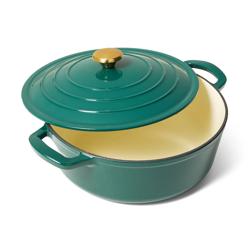
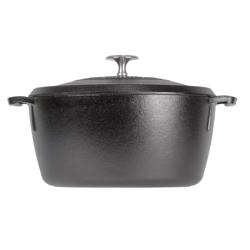
Affordable Dutch Ovens offer plenty of ways to put one pot to work. Material plays a large part in how that pot cooks and feels to use. Cast iron takes time to heat thoroughly, then holds that heat well, helping maintain a steady simmer and keeping food warm after cooking. An enameled interior provides a cooking surface that does not need seasoning and is well suited to acidic ingredients such as tomatoes and wine. Bare cast iron develops its protective seasoning through use and care, with a surface that benefits from a light coating of oil after cleaning and drying. Its seasoning can be affected by prolonged cooking with acidic ingredients, so the recipes a cook makes most often are worth considering. Neither surface replaces good cooking technique: a little fat, appropriate heat and enough time for food to release naturally help with browning. A well-fitting lid slows moisture loss during long cooking, while the substantial base supports the transition from sautéing onions to simmering a finished dish. The same depth that accommodates broth and vegetables also leaves room to stir without crowding the rim. These qualities make a Dutch oven especially appealing to someone who likes building flavor a step at a time, whether dinner is a simple lentil soup or short ribs with a rich pan sauce. It is cookware that can take on a different role from one meal to the next.
Size and shape influence how comfortably a Dutch oven fits into a kitchen routine. A smaller capacity can suit a couple, a compact kitchen or someone who prefers cooking just enough for dinner and a little extra. A larger vessel provides room for family meals, batch cooking and recipes with bulky ingredients, although it also takes more space to store and becomes heavier once filled. The most useful size is one that matches both the amount of food being prepared and the cook’s comfort lifting it. Capacity alone does not tell the whole story. A broad cooking surface gives pieces of meat or vegetables more room to brown, while taller sides accommodate generous amounts of liquid without requiring as much stovetop space. Round shapes tend to sit naturally over round burners, and oval shapes can provide a comfortable fit for longer roasts. An oval vessel may extend beyond a burner’s heating area, making adequate preheating and burner placement especially relevant for stovetop cooking. Beyond shape, handles deserve attention. Generous openings make it easier to get a secure hold with oven mitts, particularly when moving a full pot from the oven to a heat-safe surface. Overall dimensions should include the handles, and oven clearance needs to account for the lid and knob, not just the body of the pot. Cooktop compatibility and oven-safe limits also matter; lid materials and knobs may have different limits from the pot itself. For bread baking, that distinction is especially important because recipes may call for high heat or an empty preheat that is not appropriate for every vessel. A Dutch oven can create the covered environment used in many crusty bread recipes, but the cookware’s care instructions should determine which methods are suitable. For everyday use, the right fit is just as likely to mean a pot that is easy to reach, comfortable to carry and practical enough to use for a quick soup as one that accommodates a special dinner.
Durability depends on both construction and daily handling. Cast iron is substantial cookware, but an enamel coating still needs protection from hard knocks, sharp utensils and sudden temperature changes. Wood, silicone or other utensils recommended by the manufacturer help protect the interior during stirring and serving. Moderate heat is often sufficient once cast iron has warmed through, and gradually heating the vessel gives the base and sides time to warm more evenly. After cooking, letting the pot cool before washing helps protect it from the stress of a rapid temperature change. For enameled interiors, warm water, mild dish soap and a nonabrasive sponge are a practical starting point; soaking cooled cookware can loosen stubborn food without aggressive scraping. Bare cast iron calls for prompt drying and a thin application of cooking oil to maintain its seasoned surface. Dishwasher suitability varies, so the care information for the individual vessel remains important even when its appearance seems familiar. Thorough drying matters around rims and other exposed areas, and a soft separator can help protect finishes when cookware is stacked. These habits make a difference for a pot that may move regularly between stovetop, oven and table. Appearance can be part of its usefulness, too: a Dutch oven that looks at home on a trivet makes serving a braise or a generous vegetable stew straightforward, with fewer dishes involved. Because the vessel retains heat, the table needs protection and handles should be treated as hot well after cooking ends. For a wedding, housewarming or a cook setting up a first kitchen, a Dutch oven can be a thoughtful gift when its size, weight and care requirements match the recipient’s habits. It suits the bread baker who enjoys a weekend project, the meal planner preparing beans for several dinners and the home cook who likes bringing a shared dish to the table. The lasting appeal comes from that everyday usefulness: one dependable vessel with room for familiar recipes and something new.