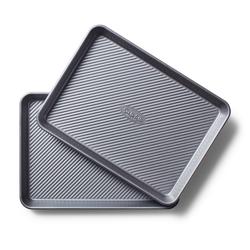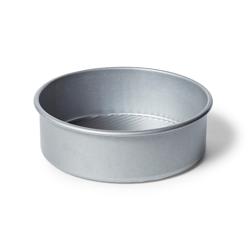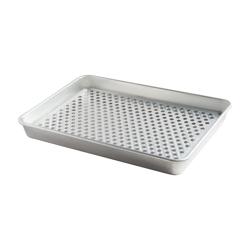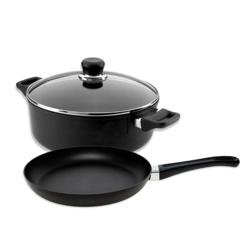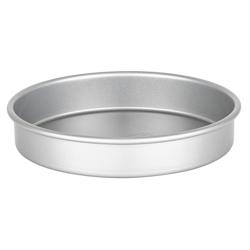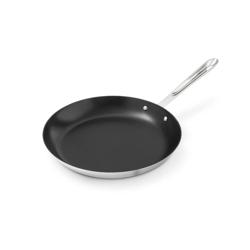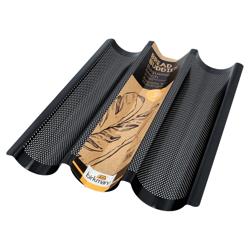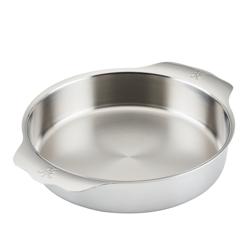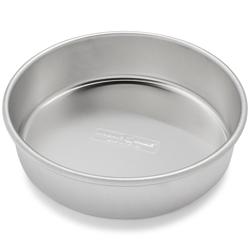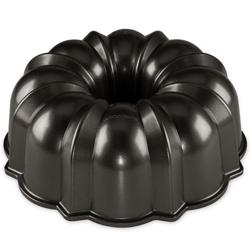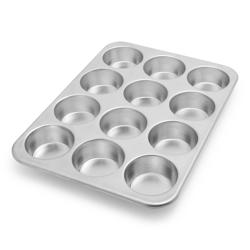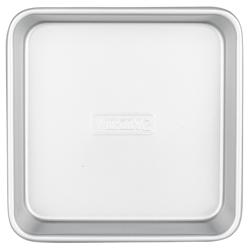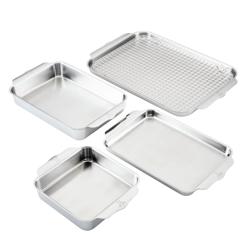
Easy release baking pans help baked goods come out with less sticking through nonstick surfaces, removable bases, opening sides or mechanical release features. The right design depends on what is being baked: a coated cake pan helps a tender layer turn out cleanly, while a springform pan opens around a cheesecake so it does not need to be inverted. Some round pans use a rotating sweeper beneath the cake to loosen the bottom before unmolding. These approaches serve the same practical purpose, but they are not interchangeable. A smooth, intact cake makes frosting easier, neatly released muffins leave fewer crumbs behind and a removable tart base helps preserve a delicate fluted crust. For someone who bakes often, that can mean less time patching broken edges and more consistent presentation from batch to batch. For an occasional baker, it can make the moment of turning a cake onto a cooling rack feel less uncertain. Everyday recipes benefit just as much as celebration desserts: banana bread should leave the loaf pan without losing its bottom crust, and a pan of brownies should lift out neatly enough to divide into even squares. Easy release does not necessarily mean that greasing, flouring or parchment can be skipped, however. Preparation still depends on the recipe and the pan manufacturer’s directions, especially with sticky fruit fillings, melted sugar or intricate shapes. Some foam cakes need to cling to an ungreased surface as they rise, making a conventional uncoated pan a better match than a slick coating. Thinking about the finished bake, from its texture to the way it will be served, helps distinguish a useful release feature from one that simply is not needed. The most practical easy release bakeware supports familiar recipes while making it easier to move a finished cake, loaf or pastry from pan to plate.
Material and construction influence both release and baking performance. Metal pans are a familiar choice for cakes, cookies and breads because they transfer heat readily, though thickness, surface color and the metal itself affect browning. Aluminum is valued for heat conductivity, while aluminized steel combines a steel body with an aluminum-based surface layer. A substantial pan can feel steadier when filled with batter and may resist warping better than a thinner one, but weight alone does not guarantee even results. Dark finishes tend to encourage faster browning than light finishes, so a favorite recipe may need closer attention when changing pans. Nonstick coatings, including ceramic-based coatings, create a release surface over the pan’s underlying material; they are not a substitute for checking oven limits or following preparation instructions. Flexible silicone bakeware offers another approach, allowing the mold to peel away from cooled baked goods, although it generally produces different browning than metal and may need support from a baking sheet. Shape and dimensions deserve equal consideration. A loaf pan that is wider or deeper than a recipe expects changes the depth of the batter and can affect baking time, rise and texture. Matching the stated pan size is more reliable than choosing by appearance alone. Straight sides can make layer cakes easier to stack, defined corners give bars a tidy shape and generous handles offer a better grip with oven mitts. Those handles also count toward the space a pan needs inside the oven or cabinet. Removable-bottom pans suit tarts and other bakes with enough structure to stand on their own, while springform sides are especially helpful for delicate cheesecakes. Neither design should be assumed watertight, so recipes using a water bath require appropriate leak protection. For baking projects that call for more specialized shapes or construction,
Advanced Baking Pans offer another direction to explore alongside everyday easy release designs.
Long-term satisfaction with easy release baking pans comes from pairing useful construction with realistic care habits. A nonstick surface can simplify cleanup, but repeated scraping with metal utensils or cutting portions directly in a coated pan can damage the finish. Silicone, wood or other manufacturer-approved utensils are gentler choices, and transferring a bake to a board before slicing protects both the pan and the appearance of the portions. Hand-washing with a soft sponge and mild dish soap is often the preferred approach for coated bakeware and pans with moving parts, even when some pieces are labeled dishwasher safe. Care instructions should always take precedence, since coatings, exposed edges and release mechanisms can require different treatment. Allowing a hot pan to cool before washing also helps avoid sudden temperature changes that can contribute to warping. After washing, thorough drying matters around rolled rims, seams, latches and removable bases where moisture can collect. A soft liner between nested pans helps prevent scratches during storage, while keeping matching bases and rings together avoids frustration when it is time to bake. Release itself benefits from a little patience: many cakes need a brief rest so their structure can firm up before turning out, while cheesecake generally requires much longer cooling and chilling before serving. Leaving a sticky cake in its pan too long can also make release harder, so the recipe’s timing is a better reference than one rule for every bake. These practical details matter when choosing a gift, too. Someone who regularly brings brownies to gatherings may appreciate a dependable square or rectangular pan more than an elaborate mold, while a baker who enjoys layered desserts may get more use from matching round pans. A comfortable grip, manageable weight and easy-to-clean design can be more valuable than extra features. Whether baking a first birthday cake or repeating a well-loved loaf recipe, a thoughtfully chosen pan helps preserve the crisp edge, tender crumb and shape that make the finished bake worth sharing.