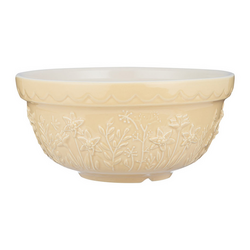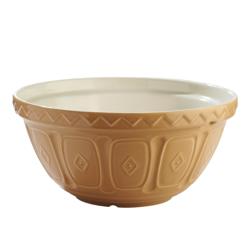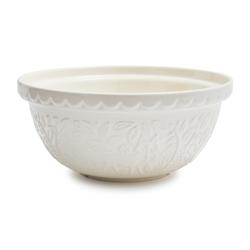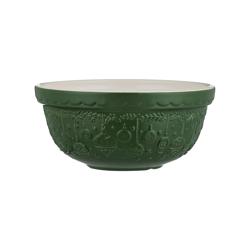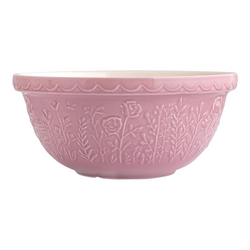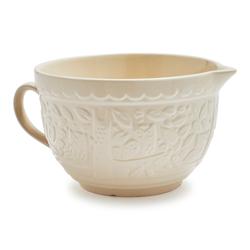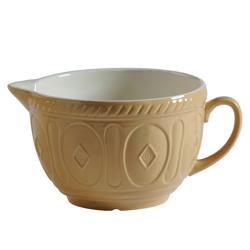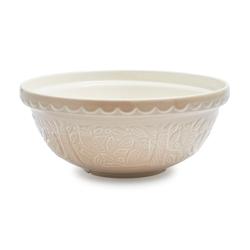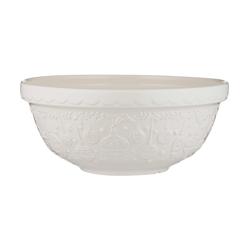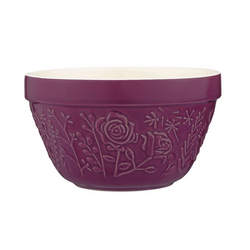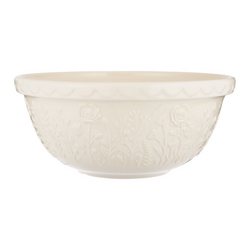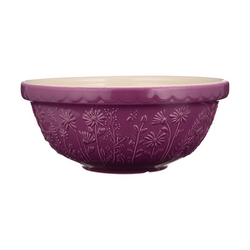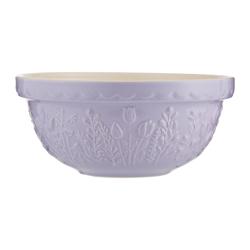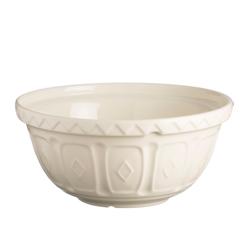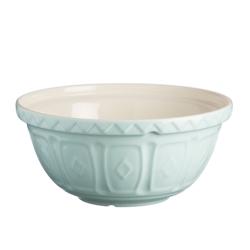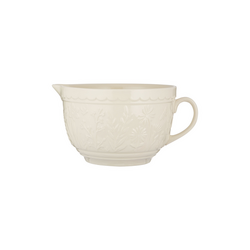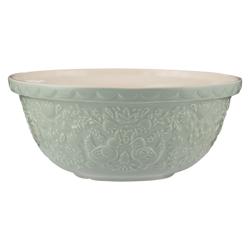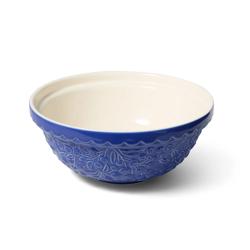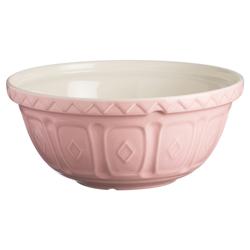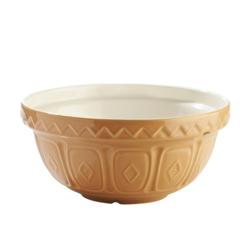
Embossed mixing bowls combine a patterned exterior with the practical shape of an everyday preparation bowl. Raised floral details, geometric repeats and other relief designs give these kitchen staples their distinctive texture, while a smooth interior provides a surface for stirring, folding and scraping. Depending on the depth and placement of the pattern, embossing can also give your fingers more purchase when steadying a bowl or tipping batter into a pan. That texture is a useful complement to a comfortable rim and balanced shape, rather than a replacement for a secure, dry grip. These are bowls that can earn their place on the counter: holding pancake batter at breakfast, gathering grated vegetables for fritters or bringing a tossed salad to the table at dinner. Their decorative character makes the transition from preparation to serving feel natural, especially in kitchens where everyday tools stay within sight. Material plays a large part in how an embossed bowl feels in use. Ceramic versions, including earthenware and stoneware, generally have a substantial feel that helps them stay settled during hand mixing. Their weight can be welcome when working softened butter into flour, though a full bowl will take more effort to lift and pour. Lightweight plastic alternatives are easier to carry between work areas and can be practical for frequent meal preparation or cooking with children under supervision. Melamine also offers a lighter option than many ceramic bowls, but it is not intended for microwave use. No material is automatically suitable for every task, and embossing alone does not indicate heat resistance, dishwasher compatibility or resistance to breakage. The combination of material, construction and manufacturer-stated care requirements matters more than appearance alone. For cooks who enjoy the familiar rhythm of measuring flour, cracking eggs and folding a batter by hand, an embossed mixing bowl adds a tactile detail to those everyday movements without needing to be reserved for special occasions.
Size and shape make just as much difference as surface detail. An embossed mixing bowl should have enough capacity for the ingredients plus room for the motion of mixing; a bowl filled nearly to the rim leaves little space to fold whipped egg whites or stir a generous batch of cookie dough. Smaller bowls suit dressings, spice mixtures and the separate wet ingredients for a quick bread. A medium bowl can handle many everyday batters, while a larger one gives leafy greens room to turn and keeps flour better contained during the first strokes of a spoon. A wide opening makes it easier to reach ingredients with a spatula or pastry blender, while deeper sides can help contain splashes during vigorous whisking. A rounded interior supports sweeping motions along the bottom, helping you reach pockets of dry ingredients without constantly changing your grip. The base deserves attention, too: a broad, level foot helps a bowl sit securely, although no bowl is guaranteed to stay still on a slippery worktop. For anyone who mixes with one hand and holds the rim with the other, the relationship between bowl weight, rim shape and hand comfort is especially important. Storage is another everyday consideration. Nesting shapes can make a collection easier to fit into a cabinet, but generous rims and raised decoration may affect how closely bowls stack. A bowl that looks compact on an open shelf may still need considerable clearance in a shallow cupboard or crowded dishwasher. Color can help these practical pieces feel at home alongside dinnerware, linens and other countertop tools. For a cool accent that works with white dishes, warm wood and stainless steel,
Blue Kitchen Mixing Bowls offer a related direction to explore. Whether the pattern is subtle or more pronounced, a finish you enjoy seeing can make a frequently used bowl just as welcome on the table as beside the cutting board.
Good care helps preserve both the working surface and the raised decoration of embossed mixing bowls. Ceramic bowls can be durable companions for regular preparation, but their rims and patterned edges remain vulnerable to knocks against a faucet, sink or neighboring dish. Gentle handling is particularly worthwhile when washing a larger bowl, since its weight becomes more noticeable when it is wet. Dishwasher safety varies by construction and finish, so the manufacturer’s instructions should determine whether a bowl belongs in the machine or needs hand-washing. When hand-washing is recommended, mild dish soap and a soft sponge are a sensible starting point; a soft brush can help loosen flour paste or dried batter caught around exterior details. Abrasive cleaners and harsh scrubbing may damage some finishes. Ceramic pieces also need protection from sudden temperature changes, such as moving directly from a cold refrigerator into hot water. Microwave, oven and freezer suitability should each be confirmed separately rather than inferred from the bowl’s material or substantial appearance. Plastic bowls have their own care considerations, including susceptibility to scratches, staining or distortion when exposed to unsuitable heat. With any material, using utensils appropriate for the interior finish and avoiding unnecessary impacts helps limit wear. A thin protective layer between nested ceramic bowls can reduce hard contact during storage, especially when the stack is moved often. These practical details matter whether the bowl is used daily or brought out for larger baking projects during the cooler months. An embossed bowl can also make a thoughtful gift for a new household, an enthusiastic baker or someone who enjoys serving casual meals in attractive, useful pieces. A manageable size and straightforward care routine are often more valuable to the recipient than an oversized statement piece. Paired with a flexible spatula, measuring spoons or a favorite handwritten recipe, the gift connects naturally to something they already enjoy making. From mixing a crumb topping to serving roasted vegetables, the lasting appeal of an embossed mixing bowl lies in that balance of useful form, comfortable handling and decoration that feels at home in a working kitchen.