-
(26)
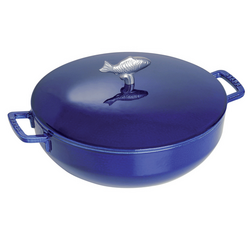
A 5 qt. cast iron bouillabaisse pot in a beautiful blue color, perfect for seafood dishes and one-pot meals.
-
(13)
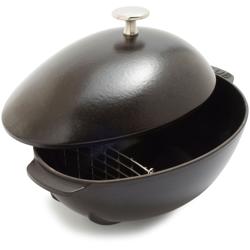
A unique black mussel pot made of enameled cast-iron, perfect for baking or steaming shellfish.
-
(20)
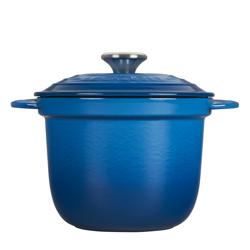
A blue Le Creuset rice pot with stoneware insert for perfectly cooked grains every time.
-
(101)
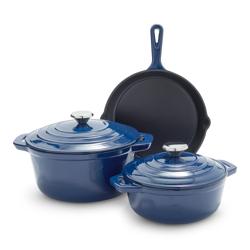
A versatile set of cast iron cookware in blue, perfect for a new home or kitchen setup.
-
(152)
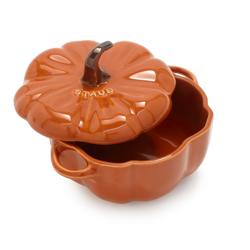
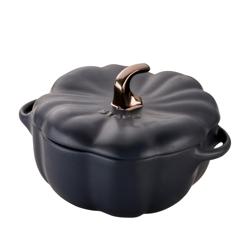
A durable black ceramic pumpkin cocotte with lid, perfect for individual portions of seasonal dishes.
-
(26)
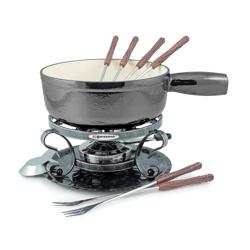
A Swissmar cast iron fondue set with enameled interior, wrought iron rechaud, and fondue forks for six guests.
Enamel Cooking Pots
Looking to add a touch of elegance and functionality to your kitchen? Look no further than our collection of enamel cooking pots. These versatile and durable pots are a must-have for any home cook or professional chef. With their vibrant colors and sleek designs, enamel cooking pots not only elevate the look of your kitchen but also deliver exceptional performance. Whether you're simmering soups, braising meats, or whipping up a delicious stew, these pots distribute heat evenly for perfectly cooked meals every time. Explore our extensive selection of enamel cooking pots and discover the perfect addition to your culinary arsenal.
Sort by:
Enamel Cooking Pots
FAQ List
Can enamel cooking pots be used on induction cooktops?
Yes, enamel cooking pots are compatible with induction cooktops. The enamel coating allows for efficient heat transfer, making them suitable for use on this type of cooktop.
Are enamel cooking pots dishwasher safe?
Yes, most enamel cooking pots are dishwasher safe. However, it is recommended to check the manufacturer's instructions to ensure proper care and maintenance.
Can enamel cooking pots be used in the oven?
Yes, enamel cooking pots are oven-safe. They can withstand high temperatures, making them suitable for various cooking techniques such as roasting or baking.
How do I clean stains or burnt food from enamel cooking pots?
To clean stains or burnt food from enamel cooking pots, soak them in warm soapy water for a few hours. Then, gently scrub the surface with a non-abrasive sponge or brush. Avoid using harsh chemicals or abrasive cleaners that can damage the enamel coating.
Can enamel cooking pots be used on gas stoves?
Yes, enamel cooking pots can be used on gas stoves. They are designed to withstand high heat and provide even cooking, making them suitable for gas stovetop use.
-
"Great product great value quality productLove all cusinart products"
-
"I love using this piece so much I bought another. The 3.5 quart brazier. My favorites"
-
"Love it and made my first loaf of Artisan bread"
-
"Love love love this Dutch oven!! Great quality for the price"
-
"I keep the big pumpkin Staub on stove top Love it"