Food spiralizers are kitchen tools that cut firm fruits and vegetables into long, noodle-like strands, ribbons or spirals. They use a blade and a turning motion to create consistent shapes for salads, vegetable noodles, garnishes and side dishes. Zucchini, cucumbers, carrots, beets, sweet potatoes and firm apples are familiar choices, although suitable ingredients depend on the tool’s design and cutting capacity. The appeal goes beyond replacing pasta: a tangle of cucumber ribbons gives a sesame-dressed salad a different texture, while thin apple spirals add crunch to slaw. Spiralized vegetables can also be mixed with traditional noodles, bringing more vegetables into a favorite meal without changing it completely. Different blade styles produce different results, from fine strands that catch a light dressing to broader ribbons that hold their shape alongside roasted vegetables. For a home cook who enjoys working with fresh produce, a spiralizer offers another way to use familiar ingredients rather than an entirely new way to cook. It can be especially useful when the same vegetables appear in the grocery basket each week and a change in texture makes dinner feel less repetitive. A bowl of zucchini strands with pesto, a crisp carrot salad with lemon dressing or a nest of sautéed sweet potato spirals shows how much the cut can influence the finished dish. Firm produce generally holds together better than soft, overripe ingredients, and straighter shapes are often easier to position securely. Results also vary with the vegetable itself: zucchini releases moisture readily, while dense root vegetables require a tool suited to firmer ingredients. Vegetable noodles do not behave exactly like wheat pasta, so their appeal lies in their own flavor and texture. They can be served raw for crunch or cooked until just tender, depending on the ingredient and the meal. That flexibility makes food spiralizers useful for everything from a quick lunch salad to a more composed vegetable side for a shared dinner.
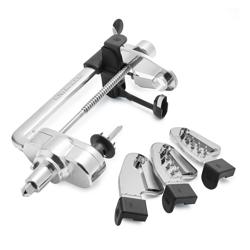
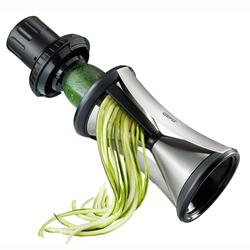
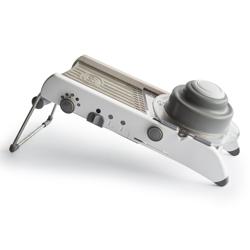
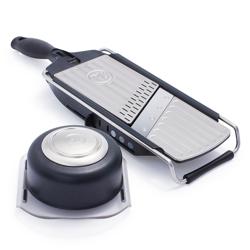
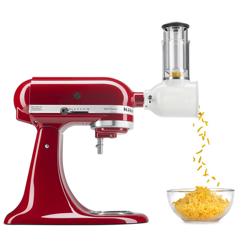
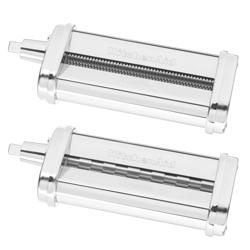
The right spiralizer fits both the amount of food being prepared and the space where it will be used. Handheld designs are compact and practical for smaller portions, with a shape that can tuck into a drawer or cabinet. Countertop designs typically provide a supported turning mechanism, which can make repeated portions more manageable. Attachment-based designs work with a compatible kitchen appliance, making the exact connection and appliance requirements important considerations. Cutting options matter, too. A cook who mainly wants zucchini noodles may prefer a straightforward design, while someone who enjoys experimenting with salads and garnishes may appreciate interchangeable blades for different strand widths and ribbon shapes. Blade count alone does not determine usefulness; easy assembly, a comfortable grip and straightforward blade changes can make a bigger difference in everyday use. Stainless steel blades are common because they provide cutting edges that resist corrosion, while food-contact plastic bodies can help keep a tool lightweight. Metal components may add rigidity, but overall durability also depends on the construction of the handle, blade mounts and moving parts. A stable base is especially important when working with firm vegetables. Suction feet need an appropriate clean, smooth surface to grip effectively, and any countertop design needs enough clearance for the handle to turn and the cut vegetables to collect. Produce size is another fit consideration: the opening, holder and distance between components determine which shapes and lengths a spiralizer can accommodate. Some designs leave a central core or a small end piece, which can often be chopped for another dish when edible. Storage deserves the same attention as countertop use. A compact body, secured blade compartment or protective covers can help keep sharp parts contained between meals. For smaller kitchens, a tool that stores neatly and comes apart without a struggle is often a more practical choice than one with many cutting options. Clear care instructions and readily accessible food-contact surfaces are also worth considering before making a spiralizer part of the regular prep routine.
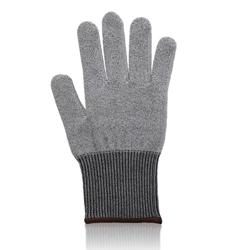
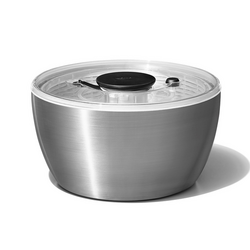
A spiralizer earns its place in the kitchen when preparation and cleanup feel manageable. Removable blades and accessible channels can make it easier to clear away vegetable fibers, especially after cutting stringy ingredients. Care requirements vary by material and construction, so dishwasher suitability should always be checked against the manufacturer’s instructions rather than assumed. Hand-washing may be required for some parts, and sharp blades need careful handling regardless of the cleaning method. A cleaning brush can help reach small openings without bringing fingertips close to cutting edges. Thorough drying before storage helps protect components and prevents moisture from collecting inside enclosed spaces. During use, the supplied food holder or pusher should keep hands away from the blade; small leftover pieces are better set aside than forced through by hand. These practical details matter as much as the shape of the finished noodles, particularly for cooks who want a tool they can use comfortably and often. Moisture management also makes a noticeable difference on the plate. Washed produce should be dried before cutting, and watery vegetable strands may benefit from gentle blotting before dressing or cooking. Kitchen spinners can be useful for drying leafy greens served alongside spiralized vegetables;
Kitchen Spinners complement this kind of salad preparation without replacing the spiralizer’s cutting function. Keeping dressing separate until serving can help preserve the crunch of a cucumber or carrot salad, while cooking zucchini strands briefly helps avoid an overly soft result. For meal preparation, storing cut vegetables separately from sauces gives more control over the finished texture. As a gift, a food spiralizer makes sense for someone who enjoys vegetable-forward cooking, colorful salads or trying new preparations with familiar ingredients. The best match depends on that person’s counter space, comfort with manual prep and willingness to clean interchangeable parts. A simple, easy-to-store design may suit an occasional cook, while a more substantial countertop format may better fit someone who regularly prepares several portions. Ultimately, a well-chosen spiralizer brings useful variety to everyday produce without demanding an entirely different cooking routine.