-
(1140)
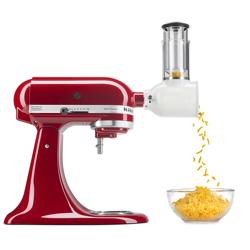
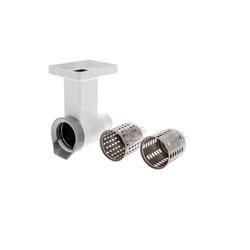
A white KitchenAid attachment for stand mixers that quickly slices and shreds a variety of ingredients.
-
(52)
A professional-grade mandoline with four slicing thicknesses, durable stainless steel deck, and nonslip base.
-
(42)
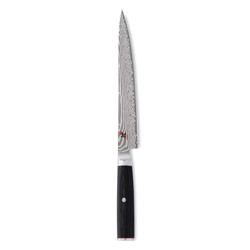
A 9.5" black slicer made from FC61 super steel and stainless steel Damascus for precise cutting.
-
(16)
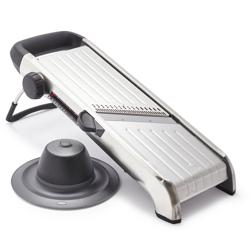
A versatile stainless steel mandoline with multiple blade options for slicing and julienning fruits and vegetables.
-
(14)
A versatile mandoline slicer with adjustable thickness settings and stainless steel blades for easy slicing and cleaning.
-
(13)
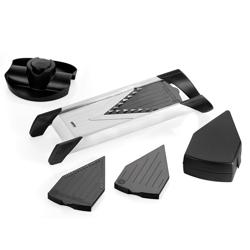
A professional handheld slicer with three thickness options, integrated julienne and French-fry blades, and non-slip base.
-
(5)
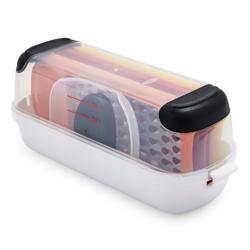
A handy mini set with slicer, medium grater, coarse grater, finger guard, and storage bin.
-
(4)
A versatile mandoline with adjustable slice thickness and julienne settings, featuring hardened stainless-steel blades.
-
(2)
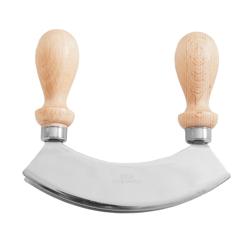
A double-blade mezzaluna with beechwood handles and stainless steel blades for efficient chopping and mincing.
-
(1)
A sleek silver mandoline slicer with three sharp blades for precise slicing and julienning.
-
(8)
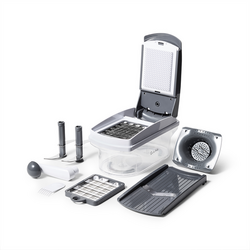
A versatile 5-in-1 chopper with multiple blades and a mandolin slicer for easy food prep.
-
(14)
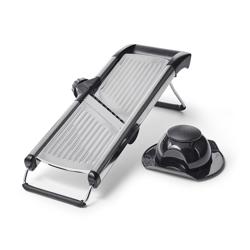
A silver stainless steel mandoline slicer that offers various slice options for efficient and precise food prep.
-
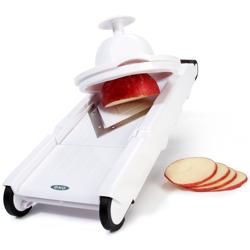
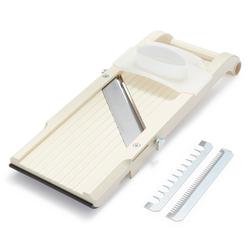
A white plastic Japanese mandoline with interchangeable blades, adjustable thicknesses, a non-skid base, and finger guard.
-
A white three-piece vegetable prep accessory that quickly slices, shreds and grates a variety of ingredients.
-
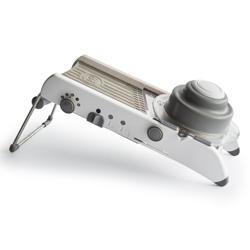
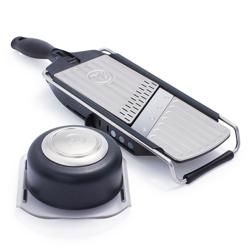
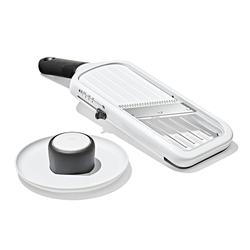
A white stainless-steel handheld mandoline offering adjustable slicing thicknesses, an integrated food holder, and compact storage.
-
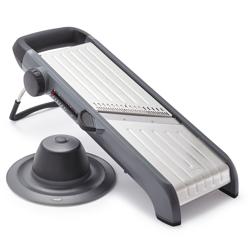
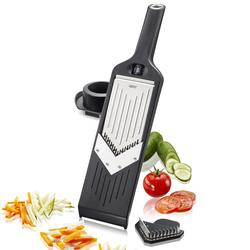
A black stainless-steel slicer for slices and julienne cuts, featuring comfortable handling and a finger guard.
Vegetable Slicers For Summer Prep
Vegetable Slicers for Summer Prep bring convenient options to your kitchen for preparing fresh produce, seasonal salads, garnishes and more. Explore a selection of vegetable slicers to help you get ready for summer cooking and entertaining.
Best Of FAQ
Vegetable slicers help create even slices, ribbons, julienne cuts and spiral shapes for salads, slaws, sandwiches, chilled noodles and grilled vegetable dishes.
Use vegetable slicers with zucchini, cucumbers, carrots, radishes, potatoes, beets, onions and summer squash. Choose firm vegetables for the cleanest cuts.
Common options include mandolines for thin slices, julienne slicers for matchsticks, spiralizers for vegetable noodles and handheld peelers for ribbons.
Try cucumber salads, zucchini ribbons with herbs, carrot slaw, spiralized vegetable bowls, fresh crudités and layered vegetable tarts.
Rinse away vegetable pieces promptly, then wash the slicer according to the manufacturer’s care instructions. Dry it thoroughly before storing.

-
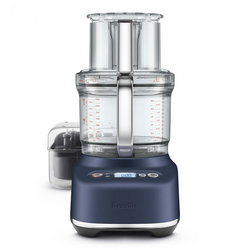
"We had Breville Juicer and already love it, and just like that juicer this is the best food processor"
-
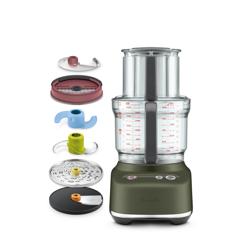
"Great features and accessories"
-
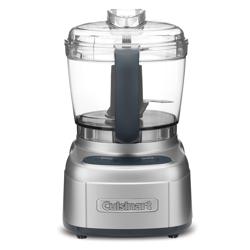
"I love this 4 cup Chopper/Grinder. It is the best and perform above all the rest"
-
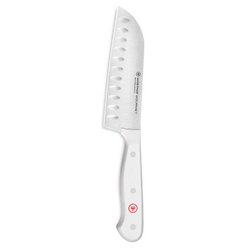
"I love all the knives I own. Next one I want is the serrated knife"
-
"Great features and accessories"