-
(54)
Liz was a great teacher and we got tons of hands on experience making all three desserts....Larissa was a great instructor, had a great time. Highly recommend....Great class!
-
Cooking Class Description: Hand pies are a delightful bite-sized treat, and this class teaches your whole family how to make them completely from scratch. Kids and adults can mix and roll out a flaky pie dough, then fill and seal it around a spiced apple...
-
(2)
Cooking Class Description: Learn to create classic macarons in our latest three-hour baking class! Our chef instructor will teach you the skills and techniques for perfecting two macaron flavors: Toasted Almond and Strawberry. You’ll learn to build your...
-
(94)
Great class; great pie...This was a great class, and loved having pie at my Thanksgiving dinner!...Great pastry chef (Anna)! Delicious pie!!
Fruit Dessert Baking Classes
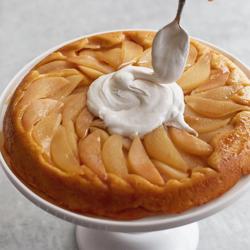
Explore fruit dessert baking classes centered on pies and tarts that put fruit at the heart of the recipe. Choose by the dessert you want to make and the skills you want to practice, from preparing flaky pastry to pairing apples with rich caramel. Check each class menu for the recipes and techniques included.


Best Of FAQ
Match the lesson to a specific goal, such as making pastry from scratch, weaving a lattice or preparing caramel. Read the technique descriptions alongside the menu; two classes featuring the same fruit may focus on different baking skills.
Choose a focused class if one particular bake interests you most. A broader dessert class may suit you if you want to explore several recipes alongside a fruit-centered dessert. Compare the full menus to see which approach fits your interests.
No. Some recipes pair fruit with caramel, while others emphasize pastry, spices or fruit fillings. If making caramel is your priority, look for a class description that explicitly includes instruction in that technique.
A take-and-bake format can involve preparing and assembling a dessert during class, then baking it at home. Read the individual description to understand what you will complete in class and what remains to be done afterward.
Consider where you prefer to work and how you want to prepare. For an online class, review the ingredient list, equipment needs and advance preparation instructions for your home kitchen. For an in-store class, review the session details to understand the kitchen setup and how you will work with other students.


-
"I love these online classes, tips and tricks from the professionals that really help you to nail it"
-
"Ben is a GREAT asset to your company. Thank you Chef Ben and Sur la table"
-
"Great bonding experience with easy enough recipes (but not that easy where she lost interest"
-
"Manuel's a great instructor. Can't wait to sign up for another class"
-
"Love Chef Chris & Food, too many people crammed in and not enough space"