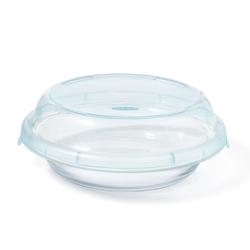
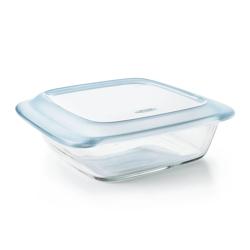
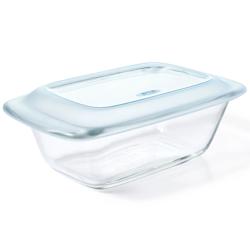
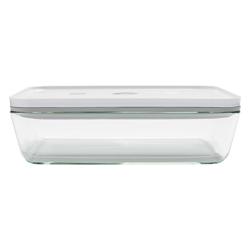
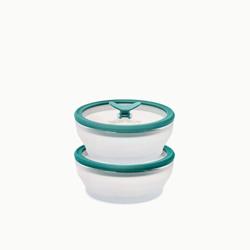
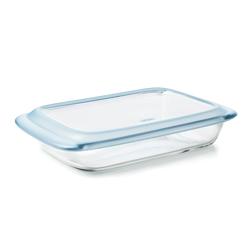
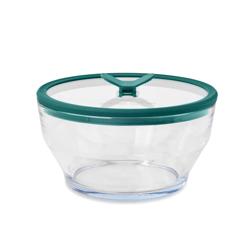
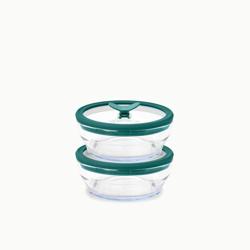
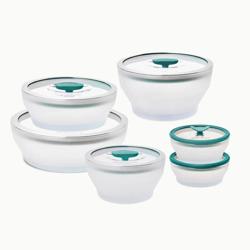
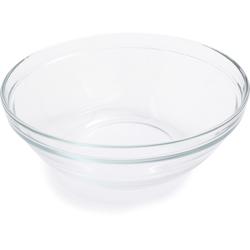
Glass bakeware with storage lids lets you bake, serve and store food in the same dish, with a fitted cover for keeping leftovers covered or transporting prepared meals. The glass base is designed for baking, while the storage lid should be used only as directed by the manufacturer. That combination is especially useful for baked pasta, roasted vegetables, fruit crumbles and casseroles that rarely disappear in a single sitting. Bring a bubbling dish to the table, serve what is needed and save the rest without transferring every portion to a separate container. Clear sides make it easy to see the layers of a lasagna, check browning along the edges and recognize tomorrow’s lunch in the refrigerator. Shape and depth help determine how naturally a dish fits into that routine. A broad, shallow baking dish gives vegetables room to spread out and creates more surface area for a browned topping; a deeper dish leaves room for layered fillings and sauces. Square and smaller rectangular shapes can suit side dishes or meals for one or two, while larger formats make sense for shared dinners and cooking ahead. For recipes that specify a pan size, compare the stated dimensions and capacity rather than choosing by appearance alone, since changing the depth of the food can affect cooking time. Consider the space needed for handles, the storage lid and a comfortable grip with oven mitts. A dish that fits the oven still needs to fit a refrigerator shelf when covered. Comfortable handles and a lid that is easy to put on and remove matter when bakeware becomes part of a regular cooking routine. Glass has a simple, familiar look on the table, making covered bakeware a practical choice for cooks who prefer serving directly from the baking dish instead of adding another platter to the cleanup.
The appeal of glass goes beyond being able to see what is inside. Its nonporous surface does not readily absorb food odors and is well suited to tomato sauces, cheesy fillings and other everyday ingredients. Glass retains heat after it leaves the oven, which is useful at serving time but also means food may continue cooking as it rests. Different glass formulations have different performance characteristics, so the care instructions matter more than a general assumption about what glass can withstand. Check the stated oven limits and approved uses, and never assume that oven-safe bakeware is suitable for a stovetop, broiler or direct flame. Sudden temperature changes can damage glass, including tempered glass, so avoid placing a hot dish on a cold or wet surface or adding cold liquid to hot bakeware. Use a dry trivet or another surface recommended by the manufacturer. Refrigerated or frozen glass should not go directly into a hot oven unless its instructions expressly allow it. Cooling and storage deserve the same attention: follow the bakeware’s directions and transfer food to smaller containers when necessary to refrigerate it promptly without exposing hot glass to a sudden temperature change. Storage lids may be made from plastic, silicone or other materials, and their care requirements can differ from those of the base. A lid that is safe for refrigerator storage is not automatically safe for the oven or microwave. When microwave use is permitted, follow any instructions for venting. A fitted lid helps keep food covered, but it should not be treated as leakproof or airtight unless specifically described that way. For carrying a saucy casserole, keep the dish upright and supported even when the lid feels secure. After use, allow the glass to cool before washing, check dishwasher guidance for both pieces and avoid abrasive tools that can scratch surfaces. Inspect edges, handles and corners regularly, and stop using glass bakeware that is chipped or cracked.
For meal planning, covered glass bakeware helps keep preparation, serving and storage connected. A cook preparing dinner ahead can assemble a dish, cover it for refrigeration and bake it later according to the recipe and the bakeware’s temperature-transition instructions. After dinner, the transparent base makes it easier to see how many portions remain without opening several containers. Keeping food in its baking dish can reduce transfers and extra washing, especially when there is enough left for another shared meal. Smaller dishes offer a different advantage: they can hold a modest casserole, a vegetable side or a dessert without taking up the refrigerator space of a larger pan. When choosing several sizes, think about the meals cooked most often and whether the empty bases nest safely without pressure on their rims. Lids need their own storage space, too, and keeping each cover with its matching dish saves searching later. A lid that looks close in size may not fit another dish securely, so check compatibility rather than relying on dimensions alone. For a different kind of everyday preparation,
glass microwave steamers with storage lids offer a related option for microwave steaming and covered storage, with their own instructions for water, venting and lid use. Baking dishes remain especially useful for recipes that need oven heat, room for layered ingredients or a broad surface for toppings. Their versatility makes them thoughtful gifts for someone setting up a first kitchen, a couple combining cooking equipment or a home cook who regularly brings food to shared meals. The most useful choice reflects the recipient’s habits: manageable dimensions for a compact kitchen, generous capacity for family dinners or a smaller format for everyday portions. With a well-matched lid, sensible care and a shape that suits the food, glass bakeware can earn a regular place at the table and in the refrigerator.