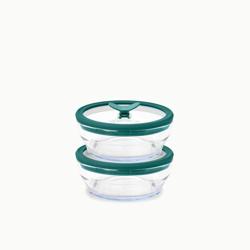
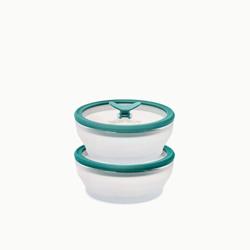
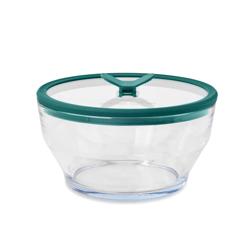
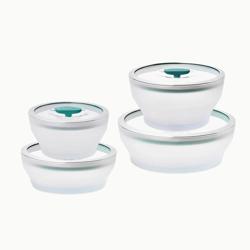
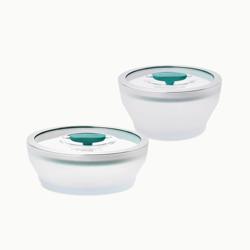
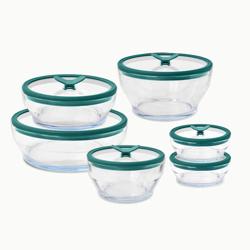
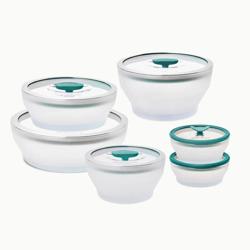
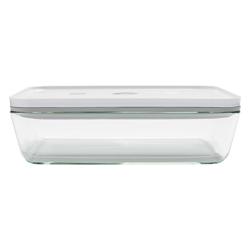
Glass microwave steamers with storage lids are containers designed to steam food in the microwave and hold leftovers afterward, reducing the need to move food between dishes. Microwave-safe glass provides the cooking vessel, while a compatible lid helps manage moisture during steaming or covers food for storage, depending on its design. That distinction matters: a vented cooking lid and a tightly sealing storage lid do different jobs, and not every storage lid belongs in the microwave. For everyday meals, these containers make sense for broccoli florets beside a baked potato, green beans for a grain bowl or a portion of fish to serve with rice. Steam surrounds food with moisture rather than immersing it in a pot of water, helping vegetables stay tender without becoming waterlogged when cooking time is matched to the portion. A transparent bowl makes it easier to check on food, and its simple appearance can work just as well on the table as at the kitchen counter. After the meal, a storage lid keeps the remaining portion covered in the refrigerator, provided the container is suitable for that use and food is cooled and refrigerated promptly. Freezer use requires a freezer-safe designation; microwave safety alone does not establish that a glass container can handle frozen storage. Some designs may also accommodate grains or other foods that require more water and longer cooking times, but that capability should be confirmed in the product instructions rather than assumed. The appeal is a practical combination of cooking and storage, especially for a small household, a home office lunch or a kitchen where fewer separate dishes are welcome. Instead of using a saucepan for a small vegetable side and another container for the leftovers, a suitable glass steamer can serve both purposes. It is a useful addition for cooks who want to include vegetables in everyday meals without bringing out a full stovetop setup.
Material, shape and lid construction all influence how a glass microwave steamer fits into your routine. Glass offers a nonporous food-contact surface that resists absorbing odors from ingredients such as garlic, onions and fish. Material descriptions may identify borosilicate or tempered glass, each made differently, but neither designation replaces the manufacturer’s directions for safe use. Microwave suitability, freezer suitability and conventional oven suitability are separate considerations, as are the care requirements for the bowl and its lid. A glass base may be dishwasher safe while its lid or removable seal requires hand-washing. For fit, the most useful measurements include the container’s width, its height with the lid attached and any handles that extend beyond the bowl. A roomy microwave interior is helpful, but the dish still needs clearance to rotate freely if the appliance has a turntable. Capacity also means more than how much a container holds to the rim. Food, water and space for steam all need room, so a bowl that stores a generous portion may accommodate a smaller amount during cooking. A broad, shallow shape can give vegetables more room to spread out, while a deeper container may better suit bulkier florets or several portions. Where included, a raised insert separates food from the water below; other designs use the bowl itself as the cooking chamber. Lid details deserve equal attention. A steam vent provides a release path during heating, while a gasket or locking tabs may help secure food during storage. An airtight claim does not necessarily mean a container is leakproof or suitable for carrying soup in a bag. Comfortable handles and an easy-to-grip lid can make handling more manageable, though glass and escaping steam can still cause burns. The best fit is a design whose cooking capacity, storage footprint and lid functions match the meals you actually make, rather than simply the largest bowl that fits in the cupboard.
For meal preparation, glass microwave steamers with storage lids can help keep a few useful ingredients ready without requiring every meal to be planned in advance. A portion of steamed carrots can accompany dinner, then join a lunch bowl the next day; tender green beans can be dressed with lemon and olive oil before serving. Separate containers can keep vegetables apart from sauces or other components until mealtime, preserving more flexibility in how leftovers are used. Clear sides make refrigerator contents easier to recognize, while stackable designs, where specified, can make better use of shelf space. Storage lids also help contain food odors and keep the contents covered between meals. Durability depends on thoughtful handling as much as the material itself. Glass can chip or break, particularly around rims and handles, and a damaged container should be taken out of use. Sudden temperature changes are another concern: a hot bowl should not be set on a cold or wet surface, and moving a frozen container directly into the microwave is appropriate only when the manufacturer expressly permits it. Gentle cleaning with a nonabrasive sponge helps protect the surface, while removable lid seals need attention wherever food or moisture can collect. Following the care instructions for each component helps keep the lid fitting properly and the container ready for its next use. These practical details make the category especially relevant for someone cooking for one or two, preparing lunches at home or working with limited stovetop space. A glass steamer with a storage lid can also be a thoughtful housewarming gift for a cook who values useful, multipurpose kitchen tools, provided it suits the recipient’s appliance and storage space. For larger batches or meals prepared over a saucepan,
Cookware Steamers can complement a microwave container. Each format has a place, with glass microwave steamers offering a straightforward option for smaller portions, covered leftovers and everyday meals with fewer dishes to manage.