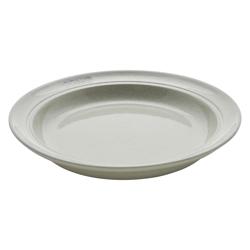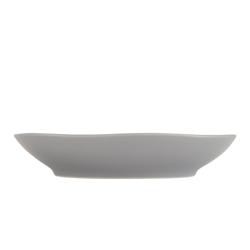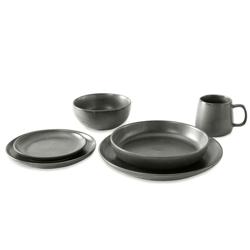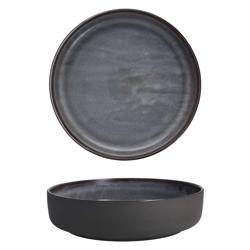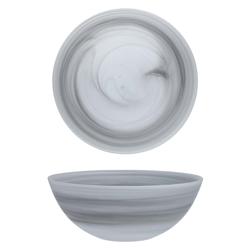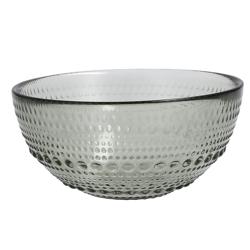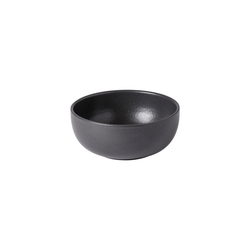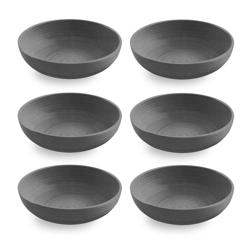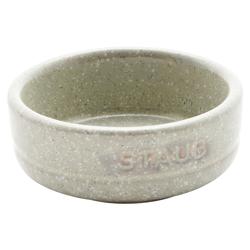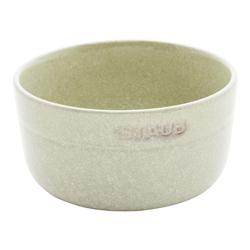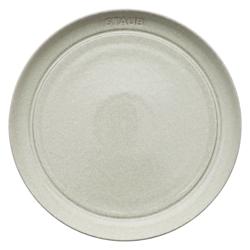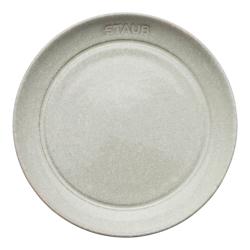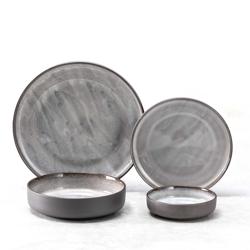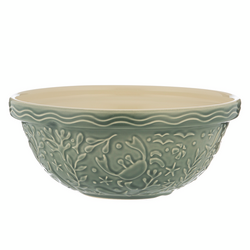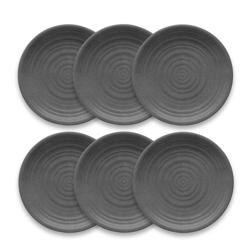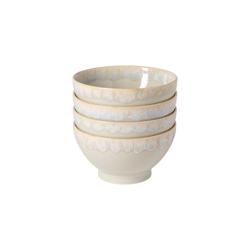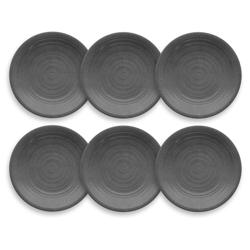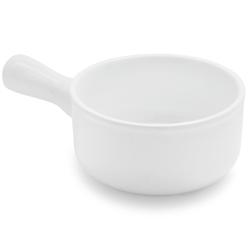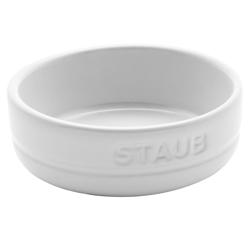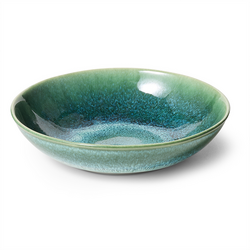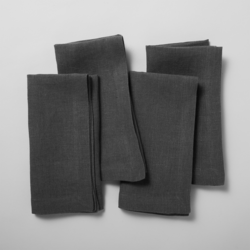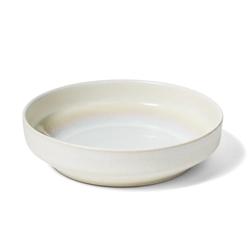
Gray bowls for summer celebrations bring a versatile neutral color to the table, letting fresh fruit, colorful salads and shared dishes stand out. Their understated look suits casual outdoor meals, buffet-style gatherings and sit-down dinners, with shades ranging from pale dove gray to deep charcoal. Against those quiet tones, sliced peaches look especially golden, ripe tomatoes bring a splash of red and a handful of fresh herbs adds a bright finishing touch. Gray also works comfortably with dinnerware you already use. Paired with white plates and clear glassware, it feels crisp and simple; beside woven placemats, wood serving boards and linen napkins, it takes on a softer, more relaxed character. Warm grays complement cream and natural fibers, while cooler grays sit easily alongside blue linens or green glass. The finish matters as much as the shade. A glossy surface catches the light and emphasizes the curve of a bowl, while a matte or subtly textured finish offers a quieter backdrop. Variations in glaze can lend depth to a place setting without requiring elaborate decoration, though the degree of variation depends on how each piece is made. For a gathering centered on the food, gray serving bowls help create a cohesive table even when every dish is different. A broad bowl of corn salad, a smaller bowl of berry compote and individual bowls for dessert can share a color family without matching exactly. That flexibility is useful for hosts who prefer to build their dinnerware collection gradually or bring together pieces collected over time. Gray bowls also move easily beyond a single occasion. The same neutral setting that complements a bright, fresh menu can feel inviting with roasted vegetables, warm grains and a more substantial meal during the cooler months. Their appeal lies in that balance: enough presence to make the table feel considered, with enough restraint to keep attention on the food and the people sharing it.
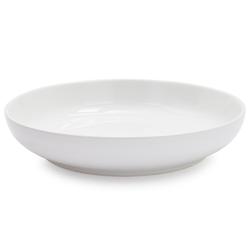
Shape, size and material help determine how comfortably gray bowls fit into your celebrations and everyday meals. Wide, shallow bowls give pasta salads, sliced fruit and composed dishes room to spread out, so toppings remain visible and a serving spoon can reach beneath delicate ingredients without crushing them. Deeper bowls are better suited to leafy greens that need tossing space, generous portions of fruit or dishes with broth and sauce. Small bowls give dips, nuts and garnishes a place of their own, keeping a buffet organized and making it easier to set the same accompaniment at both ends of a long table. Individual bowls work well for everything from a casual breakfast with overnight guests to scoops of ice cream after dinner. When considering capacity, leave room for stirring and serving rather than choosing a bowl that will be full to the rim. A comfortably sized rim or gently flared edge can also make a bowl easier to carry, especially when moving food between the kitchen and an outdoor table. Stoneware often has a substantial feel that suits relaxed entertaining, and its glazed surfaces can offer rich color and subtle texture. Porcelain can provide a more refined profile while still being practical for frequent use, depending on its construction and care requirements. Neither material should be judged by appearance alone: weight, thickness and shape all affect how a bowl handles at the table and in the sink. For settings where breakage is a particular concern, lightweight, break-resistant materials such as melamine may be worth considering, provided their intended uses suit the meal. Melamine should not go in the microwave, and any limits on hot foods or dishwasher placement should come from the manufacturer. The right fit also extends to storage. Bowls that nest neatly can save cabinet space, while broad serving pieces need enough shelf depth and clearance to be lifted out without bumping neighboring dishes.
For bowls that will see frequent use, care and durability deserve the same attention as color. Many stoneware and porcelain bowls are dishwasher safe, but that feature should be confirmed for each piece rather than assumed from the material. Microwave and oven suitability also vary, particularly when decorative finishes or unusual glazes are involved. A serving bowl is not automatically a baking dish, even if it feels sturdy enough for the job. Avoid sudden temperature changes unless the manufacturer specifically allows them, and let heated ceramic pieces cool before washing. In the dishwasher, leave space between bowls so rims do not knock together and water can reach the interiors. For hand-washing, mild dish soap and a soft sponge are a sensible starting point; abrasive cleaners may damage some finishes. Flatware can leave visible marks on certain glazed surfaces, so follow the recommended cleaning method rather than scrubbing more aggressively. These small considerations become especially useful after a gathering, when serving pieces, glassware and utensils all arrive at the sink at once. Weight matters here, too. A large stoneware bowl may feel reassuring on the table but become cumbersome when filled with food or held under running water. Hosts who carry dishes between several serving areas may prefer lighter pieces, while those arranging a central buffet may appreciate a more substantial bowl. For gifting, gray bowls offer an adaptable choice for a housewarming, wedding or a friend who enjoys bringing people together. A versatile serving shape can complement an established collection without requiring an exact pattern match, and everyday bowls can be useful to someone setting up a first kitchen. Beyond entertaining, a gray bowl can hold whole fruit on a kitchen counter or become part of an open-shelf arrangement;
Gray Bowls For Kitchen Decor offer another way to explore that understated look. Whether used for a shared salad, a simple dessert or a meal for one, thoughtfully chosen bowls bring a sense of continuity from the kitchen to the table without making everyday use feel too formal.