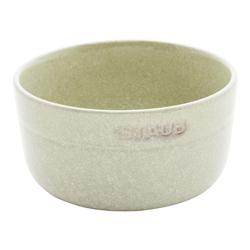
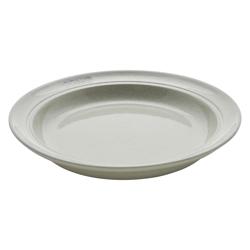
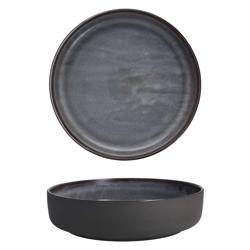
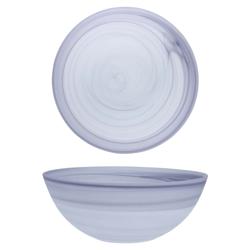
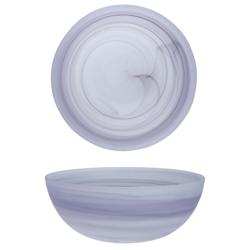
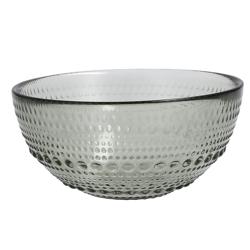
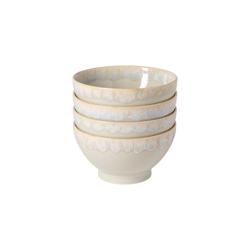
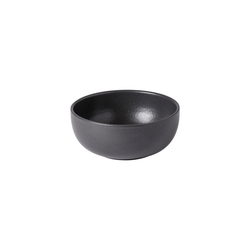
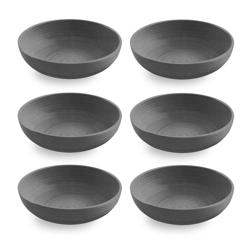
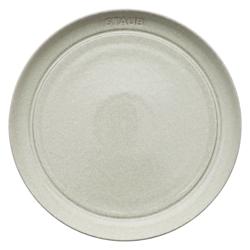
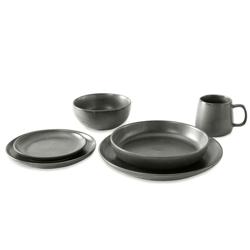
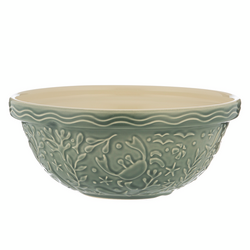
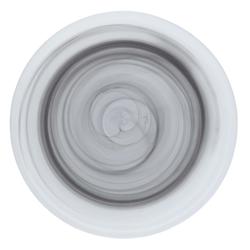
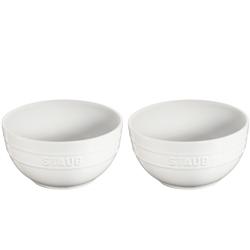
Gray salad bowls bring a versatile neutral color to the table, with individual bowls suited to side salads or main courses and larger serving bowls made for sharing. Their appeal is both practical and visual: gray pairs easily with white dinnerware, natural wood and stainless steel flatware while giving colorful ingredients room to stand out. A handful of ruby-colored radicchio, sliced pears and dark leafy greens looks especially inviting against a soft gray interior. Pale gray can feel light and understated, while charcoal creates a stronger contrast with pale lettuces, shaved Parmesan and creamy dressings. Undertones matter, too. Warm gray works comfortably alongside cream linens and wood serving pieces; cooler gray complements crisp white plates and blue accents. A bowl’s finish adds another layer of character, whether that means a glossy surface that catches the light or a matte exterior with a quieter presence. Beyond appearance, the most useful distinction is between a bowl for eating and a bowl for serving. An individual salad bowl should leave enough space to turn over leaves, cut a piece of chicken and gather toppings without pushing food over the edge. A shared bowl needs room for both the salad and the motion of the servers, particularly when tossing delicate greens with dressing at the table. Capacity alone does not tell the whole story: two bowls that hold the same amount can feel quite different if one is tall and narrow and the other is broad and shallow. Consider the space each bowl will occupy beside a dinner plate or between serving dishes. For everyday meals, a comfortable footprint can matter as much as a generous interior. Gray is also easy to carry from casual lunches to a more carefully set dinner table, making these bowls a natural fit for households that prefer dinnerware with more than one role.
Material influences how gray salad bowls feel in the hand, how they hold up to repeated use and how they fit into a cleanup routine. Stoneware often has a substantial feel that suits relaxed, everyday dining, although its weight and thickness vary by design. Porcelain can offer a finer profile and a smooth glazed surface, making it useful when a bowl needs to feel at home alongside both everyday plates and more formal table settings. Neither material is immune to chips, so edges deserve care when loading the dishwasher or stacking bowls in a cabinet. Glazed ceramic surfaces generally clean readily after oily dressings, but dishwasher and microwave suitability should always be confirmed in the care instructions. A gray finish does not indicate whether a bowl can be heated, and decorative details may change its care requirements. Enamelware brings a different character, with a glasslike coating over metal that can be relatively light compared with a similarly sized ceramic bowl. It should be protected from hard knocks that could damage the coating, and metal-based bowls do not belong in the microwave. Plastic and melamine can be practical considerations when low weight and easier carrying are priorities, especially for meals on the patio or serving children. These materials also require attention to temperature limits and cleaning directions rather than assumptions based on appearance. Across materials, a smooth interior makes it easier to sweep up dressing and small toppings, while pronounced ridges or texture may need a little extra attention during washing. Gentle utensils and nonabrasive cleaning tools help preserve finishes. For bowls that will be used often, the everyday details are worth considering: whether the base sits steadily, whether the sides are easy to grip and whether the bowl fits comfortably in a dishwasher rack or sink. Storage matters just as much. Nesting shapes can save shelf space, but bowls should stack without wedging tightly together or placing unnecessary pressure on delicate rims. A manageable stack is more useful than a tall pile that makes reaching for lunch dishes a balancing act.
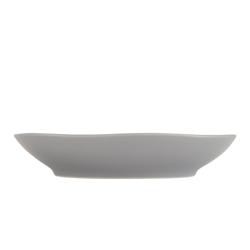
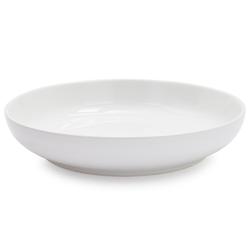
The shape of a salad bowl helps determine which meals it serves best. Wide, shallow bowls give composed salads space to spread out, keeping roasted squash, grains and tender greens visible rather than buried beneath one another. They also make it easier to reach a forkful that includes a little of everything. Deeper bowls contain loose leaves and lend themselves to tossing, especially when filled with enough room left above the ingredients. A broad opening helps servers move freely, while a gently curved interior gives dressing fewer corners to collect in. For a similar neutral look with a flowing, rimless profile,
gray coupe serving bowls can complement a table set with individual salad bowls. The right proportions depend on what usually comes out of the kitchen. A substantial grain salad with roasted vegetables needs less tossing space than a bowl of spring mix, while a dinner salad topped with salmon benefits from a broad surface that accommodates the fillet without crowding the greens. During the cooler months, gray bowls also provide an appealing backdrop for lentils, roasted beets, toasted nuts and sliced apples. Serving bowls can earn their shelf space beyond salad, holding fruit on the counter or presenting rolls at dinner, provided their size and material suit the task. Individual bowls may work just as comfortably for chilled noodles or other meals with plenty of toppings. This flexibility makes gray salad bowls a thoughtful gift for someone setting up a first kitchen, combining households or refreshing a well-used dinnerware collection. When choosing a gift, practical details often mean more than a dramatic silhouette: manageable weight, easy storage and care requirements that fit the recipient’s routine all encourage regular use. A restrained gray palette leaves room for personal touches, from patterned napkins to colorful glassware. Whether the meal is a quick lunch or a shared dinner, bowls that suit the food, the table and the cleanup routine are the ones that become part of everyday life.