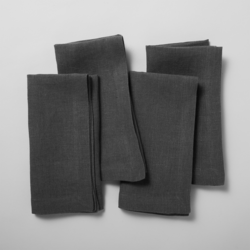
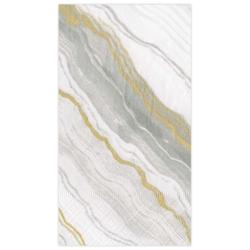
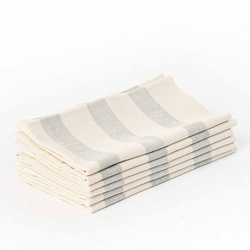
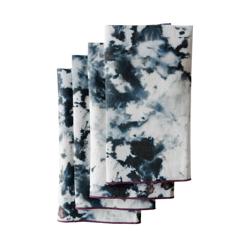
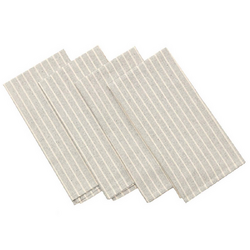
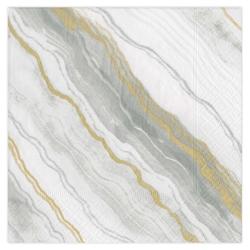
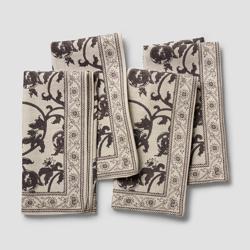
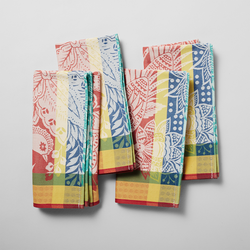
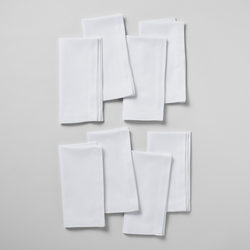
Gray napkins for picnic tables bring a versatile neutral color to outdoor meals, with reusable cloth and disposable paper options suited to different levels of formality and cleanup. Cotton, linen, polyester and blended fabrics offer different combinations of softness, texture and ease of care, while paper napkins keep packing and clearing the table simple. Gray works especially well outdoors because it sits comfortably alongside weathered wood, galvanized metal, woven baskets and colorful food. A pale dove gray can soften the look of a dark picnic tabletop, while charcoal adds definition against a light tablecloth or white dinnerware. Between those shades, medium gray makes a useful everyday choice that feels relaxed enough for sandwiches but polished enough for a sit-down gathering. Undertones matter, too: a warmer gray complements natural wood and cream-colored linens, while a cooler gray pairs easily with blue dishes or stainless steel flatware. On a long picnic table, repeating the same napkin color at each place creates a cohesive setting without requiring matching plates or elaborate decorations. Subtle stripes, woven patterns and textured finishes can add interest while keeping the overall effect quiet. A folded gray napkin beside a bowl of roasted vegetable salad looks equally at home at a backyard lunch or a sheltered patio dinner during the cooler months. For shared meals where serving platters take up most of the table, a simple rectangular fold under the flatware leaves more room for food. At a buffet-style gathering, rolling utensils inside each napkin makes it easier for guests to carry everything to their seats. The appeal is practical as much as visual: gray provides a consistent starting point for a table that may change with the menu, the guest list or the dishes brought out from the kitchen. It also transitions easily indoors if the weather sends everyone to the dining table before dessert.
Material makes the biggest difference in how a picnic napkin feels and performs. Cotton is generally soft and absorbent, making it a comfortable choice for meals that involve buttery corn, juicy fruit or frequent hand wiping. Depending on the weave and finish, it can look smooth and tailored or more casual, with a little texture that suits outdoor dining. Linen brings a distinctive woven feel and relaxed creasing, a good match for a picnic setting where a perfectly pressed surface is not the goal. Cotton-linen blends can balance those qualities, though the exact feel depends on the fiber content and construction. Polyester often holds its shape and resists wrinkles well, which can be helpful when napkins need to travel in a basket or wait folded before a gathering. It is typically less absorbent than cotton, and stain resistance should never be assumed from the fiber alone. Paper napkins are useful for park outings, large casual get-togethers and meals where carrying used linens home would be inconvenient. Their thickness and strength vary, so a substantial dinner napkin is generally better suited to a full meal than a small beverage napkin. Size matters for cloth options as well. A dinner napkin measuring roughly 18 to 20 inches square offers room for lap coverage and utensil rolls, while a smaller format may be enough for snacks or a short lunch. Around a narrow picnic table, the folded footprint matters more than the unfolded dimensions: a bulky fold can crowd a plate even when the napkin itself is a useful size. Fabric weight is another consideration. A heavier weave may feel more substantial, but neither cloth nor paper should be left unsecured in a breeze. Napkin rings, utensil wraps or a covered basket can help keep the table tidy until everyone sits down. For reusable napkins, look for even stitching and neatly finished hems that can stand up to repeated handling and laundering. A surface that feels pleasant against the hands and face is just as important as how neatly it folds.
Care requirements help determine whether gray picnic napkins become everyday favorites or linens saved for occasional gatherings. Before choosing reusable napkins, check the care instructions for washing temperature, drying recommendations and any restrictions on bleach or stain treatments. Machine-washable fabrics can make regular outdoor meals easier to manage, but washable does not always mean suitable for high heat. Cotton and linen may shrink, particularly if the care directions are not followed, while some finishes need gentler handling to maintain their appearance. Removing napkins promptly from the dryer, when tumble drying is permitted, can reduce creasing; linen may also be left with its natural wrinkles for a relaxed table. Gray is forgiving visually in some settings, but it does not make spills disappear. Pale shades can show tomato sauce or berry juice, and darker shades may reveal grease marks, fading or light-colored lint. Blot spills rather than rubbing them deeper into the fabric, follow the recommended stain treatment and check that a mark is gone before applying dryer heat. After a picnic away from home, carry soiled cloth napkins separately from clean linens and avoid leaving them damp in a closed bag. Having enough for each guest, plus a few extras for dropped napkins or second helpings, keeps the meal moving comfortably. These details are especially useful for households that eat outside often, hosts who welcome a changing number of guests or anyone building a small collection of coordinating table linens. For meals centered on grilled food,
gray napkins for barbecues offer a closely related direction for an easygoing outdoor setting. Reusable gray napkins can also make a thoughtful housewarming or host gift for someone who enjoys patio dinners and backyard lunches, particularly when their neutral shade complements linens the recipient already owns. Whether intended for a family picnic or a larger shared meal, the most useful choice balances comfortable fabric, manageable care and a size that works with the way food is served.