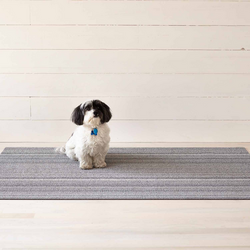
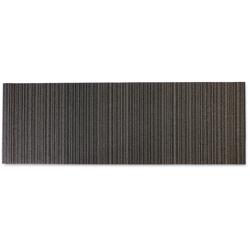
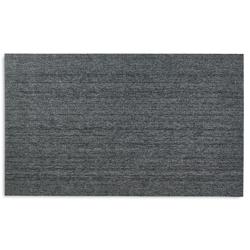
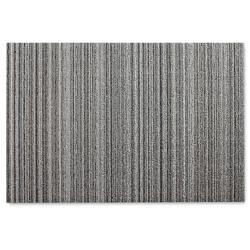
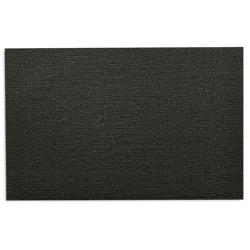
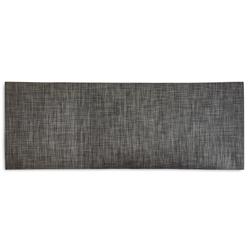
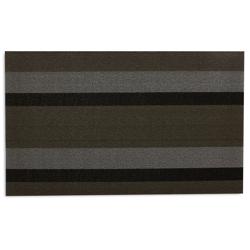
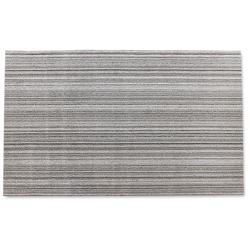
Gray waterproof mudroom rugs help catch tracked-in dirt and keep moisture from damp shoes and paws from reaching the floor beneath them. They create a practical landing spot at the door, where boots come off, bags get set down and the dog pauses before heading farther inside. A useful entry rug combines a surface that handles everyday debris with a backing designed to limit water passing through. Those two features serve different purposes: an absorbent face takes up moisture, while a waterproof backing provides a barrier underneath. Waterproof does not necessarily mean that the top of the rug stays dry, and water can still reach the floor around its edges. Checking which part of the construction is described as waterproof helps set realistic expectations for how the rug will perform. Synthetic fibers such as polyester and polypropylene are common choices for entry rugs because they stand up to regular use and are generally straightforward to clean. A textured surface can help loosen grit from shoe soles, while channels or recessed areas give that debris somewhere to settle until cleanup. Raised borders may help contain small amounts of moisture, although a rug should not replace a boot tray when footwear is dripping heavily. A softer, absorbent surface can feel comfortable under bare feet, making it useful where family members change shoes before walking into the house. For an entrance used frequently after dog walks or yard work, a low-profile texture may be a better fit than a deep pile that holds onto fine dirt. Fiber type matters, but so do the density of the surface, the strength of the edges and the quality of the backing. Rubber and other moisture-resistant backings can add grip, though their suitability depends on the flooring underneath. Follow both the rug maker’s instructions and the flooring manufacturer’s recommendations, especially for wood or other surfaces whose finishes may react to certain backing materials. The goal is a dependable place to leave the mess, not a new source of floor-care concerns.
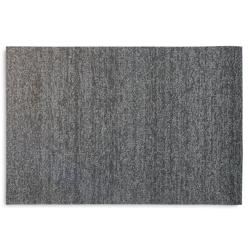
The right size and shape make a gray waterproof mudroom rug easier to use every day. Measure the space with the door open as well as closed, accounting for its swing, the height of the rug and any nearby bench or cabinet doors. A rug that looks slim on its own may still catch beneath a door with very little clearance. Include the total thickness of the backing when checking the fit, and look for edges that lie flat rather than curl into the walking path. A rectangular rug works well in a compact landing area, while a runner can cover the route between an entrance and a shoe-storage bench. Enough coverage for both feet gives someone room to step inside and remove shoes without immediately moving onto the uncovered floor. In a narrow mudroom, leave access to storage drawers and keep the rug clear of places where baskets or doors need to move. Frequent foot traffic calls for secure construction, edges that resist fraying and a surface that recovers well after repeated use. A backing that grips the floor can help reduce shifting, but no rug should be treated as slip-proof; its stability depends on the floor, the condition of the backing and whether moisture or grit has collected underneath. Gray offers plenty of flexibility for the look of the room. A warm gray sits comfortably beside wood benches and woven baskets, while a cooler gray pairs naturally with white cabinetry and stone-look flooring. Heathered fibers or a subtle pattern can make small bits of lint and dirt less noticeable between cleanings. A solid shade gives the space a simpler look, although contrast affects what shows: pale dust may stand out against charcoal, while dark soil can be more visible on light gray. Choosing a shade that works with both the flooring and the mess your household brings inside is more useful than assuming any gray rug will conceal everything.
Care is worth considering before a rug becomes part of the daily routine. Start with the cleaning instructions, since waterproof construction alone does not make a rug machine washable, suitable for a dryer or safe to hose off. Some designs can be washed in a machine, while others need spot cleaning or rinsing by hand; the backing, adhesive and edge construction all influence the recommended method. For ordinary maintenance, remove loose grit before it works deeper into the surface. Shaking the rug outside or vacuuming it with a setting appropriate for its texture can help, provided the care instructions allow it. Blot spills promptly and use the recommended cleaner rather than reaching for a harsh product that could affect the fibers or backing. After washing, let the rug dry fully before returning it to the mudroom, and check that the floor underneath is clean and dry too. Lifting the rug periodically is a useful habit even when its backing is waterproof, because moisture can enter from the edges or be trapped beneath it during cleaning. A rug with manageable dimensions is often easier to shake out, carry and dry than one that covers every inch of the room. For households with children or pets, ease of cleanup may matter more than a particularly plush feel. For someone who changes shoes at a bench, a comfortable surface and room to stand may be the priorities. Gray waterproof mudroom rugs can also make a thoughtful housewarming gift when the recipient’s entry dimensions and flooring requirements are known, especially for a household with an active dog or a frequently used side entrance. If the mudroom opens into a kitchen,
gray waterproof kitchen rugs can carry a coordinated color into the next space while serving a different daily routine. In either room, a well-chosen rug earns its place through a comfortable fit, practical care and construction suited to the mess it will encounter.