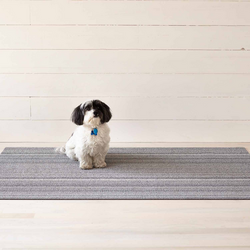
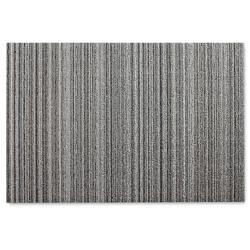
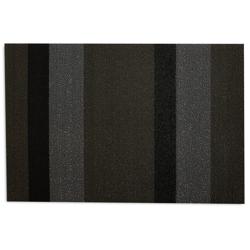
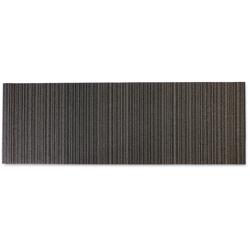
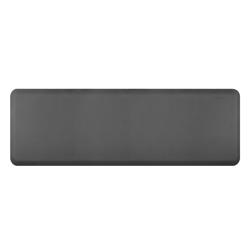
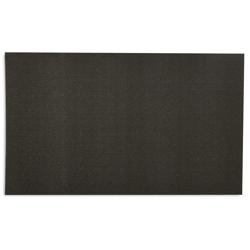
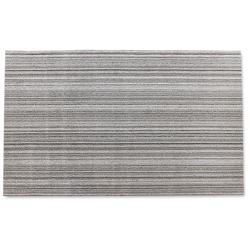
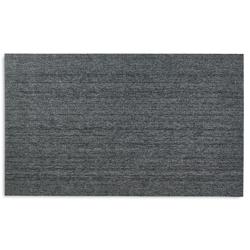
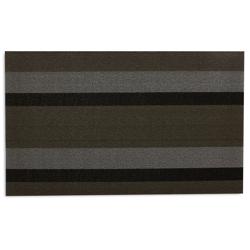
Gray waterproof utility rugs are practical floor coverings designed to help manage moisture, dirt and everyday wear in busy spaces such as kitchens, entryways, mudrooms and laundry rooms. Their appeal is straightforward: a useful surface where splashes and tracked-in debris are part of daily life, in a neutral color that works with many home finishes. Beside a kitchen sink, a utility rug can catch droplets from rinsed vegetables or freshly washed dishes. Near an entry, it creates a place to pause, remove shoes and keep loose grit from traveling farther into the house. In a laundry room, it can define the space in front of a washer or utility sink without adding a bold pattern to an already hardworking area. Gray fits naturally alongside stainless steel appliances, white cabinets, wood floors and tile, making it easy to coordinate a rug with the room rather than decorate around it. Light gray has a softer presence, while charcoal creates a stronger contrast against pale flooring. Heathered surfaces and subtle patterns can make small bits of lint or debris less noticeable between cleanings, although no color replaces regular care. Texture matters, too: a finely woven surface offers a different look and feel from a ridged or more substantial mat. These rugs suit home cooks moving between the sink and counter, households with frequently used entrances and anyone who wants an easy-care floor covering in a practical space. Placement should reflect the task. A compact rug may suit a single doorway, while a longer shape can cover the working area along a kitchen counter. For garages, covered outdoor spaces or other demanding settings, the rug’s stated suitability matters more than its appearance. Waterproof construction alone does not establish that a rug can withstand outdoor exposure, heavy equipment or every type of household spill.
Materials and construction determine how a gray waterproof utility rug performs. Waterproof generally describes a layer or construction intended to stop water from passing through the rug itself; water-resistant materials may tolerate moisture without providing the same barrier. An absorbent face can collect droplets even when the backing is waterproof, so the surface may still need time to dry. Neither feature makes the surrounding floor waterproof, and liquid can reach the floor around the edges or remain underneath a damp rug. Polypropylene and polyester are common utility-rug face materials, with performance that varies according to the weave, pile and backing. A tightly woven or low-pile surface can be easier to keep free of crumbs and lint than a deep, plush texture. Textured surfaces may help collect dirt from shoes, while smoother vinyl constructions may be suitable for wiping clean when their care instructions allow it. Rubber or vinyl backing can help a rug stay in place, but grip depends on the rug, the floor and whether both surfaces are clean and dry. Compatibility with the flooring is important, especially on wood, resilient flooring or finishes that may react to certain backing materials. A secure rug should lie flat rather than bunch, curl at the corners or move underfoot. Fit is equally important in narrow kitchens and small entryways. Allow room for doors to swing freely, check clearance beneath cabinet doors and keep rug edges out of tight turning points where feet repeatedly catch them. In front of a sink, the rug should cover the usual standing area without extending awkwardly into the main walkway. A runner can connect a longer work zone, but it should not interfere with stools, chairs or appliance access. Thickness affects both clearance and comfort. A waterproof utility rug is not necessarily an anti-fatigue mat; anyone seeking cushioning for extended food preparation should consider the construction and intended use rather than assume that a thicker-looking surface provides ergonomic support.
Routine care helps a utility rug remain useful without becoming another demanding household chore. Loose crumbs, dust and grit are best removed regularly using the cleaning method recommended for the material. Sweeping or vacuuming may be appropriate, though some surfaces require a suction-only setting rather than a rotating brush. Spills deserve prompt attention, even on a waterproof rug, because moisture left along an edge or beneath the backing can affect the floor. Lift the rug periodically to clean underneath and check that both the backing and flooring are dry before replacing it. Wipe-clean, washable and hose-rinse constructions each have different requirements; those care methods are not interchangeable. A rug should only go into a washing machine, be rinsed outdoors or receive a particular cleaner when its instructions permit it. After cleaning, allow the entire rug to dry as directed, not just the visible surface. In a kitchen, cooking oil and food residue may require different treatment from ordinary dust, while a laundry-room rug may collect lint and occasional detergent splashes. Simple habits, such as cleaning up splashes promptly and removing grit before it becomes embedded, can help preserve the rug’s appearance. Durability also depends on where the rug sits. Repeated foot traffic, sliding furniture and doors brushing against the edge can wear a floor covering differently, making sturdy edges and an appropriate profile worth considering. Check periodically for curling, cracks, worn backing or a change in grip. For a smaller area where a decorative touch is as important as everyday practicality,
Gray Waterproof Accent Rugs offer a related option to consider. A utility rug can also make a thoughtful housewarming gift when the recipient’s space, floor type and preferred size are known. The most useful choice is one that fits naturally into daily routines: catching sink-side drips, giving shoes a defined landing place or adding an easy-care surface where household tasks happen. Gray keeps that practical addition visually understated, allowing the rug to support the room without becoming its focal point.