-
(46)
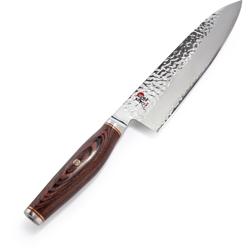
A handmade chef's knife with a distinctive Cocobolo Pakkawood handle and an industry-leading SG2 core.
Pros: sharpness, comfortable handle, balance
-
(332)
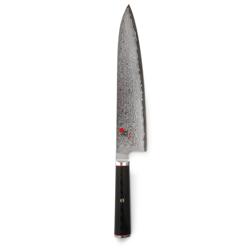
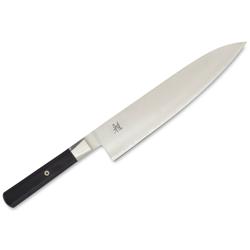
A 9.5" Miyabi Kaizen Chef's Knife with a Damascus pattern, ice-hardened steel construction, and black micarta handle.
Pros: sharpness, balance, lightweight
-
(586)
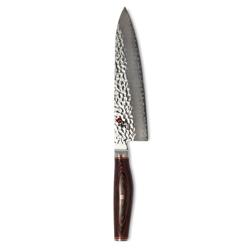
A handmade chef's knife with a symmetrical SG2 core, katana edge, and distinctive Cocobolo Pakkawood handle.
Pros: sharpness, quality, comfortable grip
-
(76)
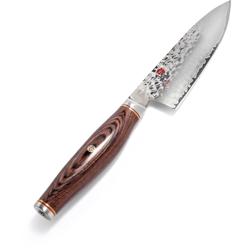
A handmade chef's knife with a SG2 core, katana edge, and distinctive Cocobolo Pakkawood handle.
Pros: sharpness, balance, durable
-
(146)
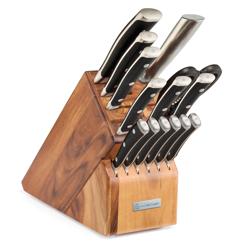
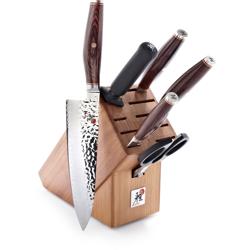
A 7-piece knife block set with an industry-leading SG2 core, legendary katana edge, and distinctive cocobolo pakkawood handle.
Pros: sharpness, comfortable handle, beautiful design
-
(2)
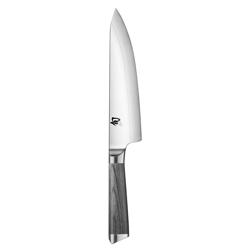
A sharp 8" chef knife with a 71-layer steel blade, handcrafted in Seki City by Shun artisans.
Pros: balance, workmanship, sharpness
-
(100)
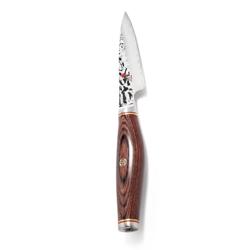
A handmade paring knife with a legendary katana edge, featuring a distinctive Cocobolo Pakkawood handle.
Pros: sharpness, comfortable handle, durability
-
(37)
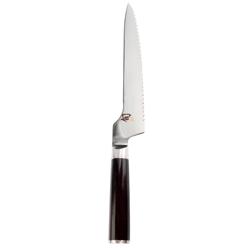
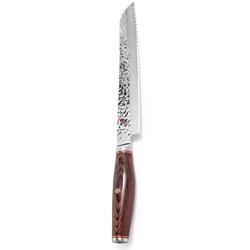
A handmade bread knife with a legendary katana edge, featuring a distinctive Cocobolo Pakkawood handle.
Pros: sharpness, comfortable handle, versatility
-
(198)
A versatile chef's knife with a faceted pakkawood handle, hand-honed to a sharp 9.5-12 degrees.
Pros: sharpness, durable, comfortable handle
-
(10)
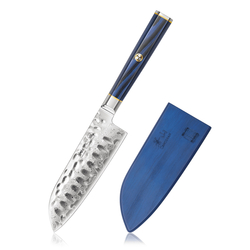
A handcrafted 5" Santoku knife with a blue Damascus steel blade and faux-wood-grain handle.
Pros: sharpness, quality, versatility
-
(71)
A multifunctional chef's knife with a sharp, handcrafted Damascus blade and African Blackwood handle.
Pros: sharpness, quality, balance
-
(60)
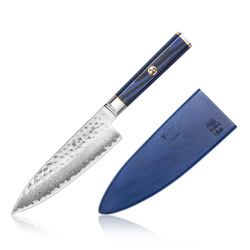
A versatile 6" chef's knife with a sharp Damascus steel blade and a blue faux-wood handle.
Pros: sharpness, beautiful, balance
-
(40)
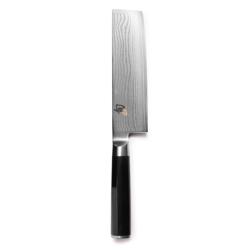
A handmade, razor-sharp nakiri knife for precise chopping, slicing, and mincing of fruits and vegetables.
Pros: sharpness, quality, weight
-
(533)
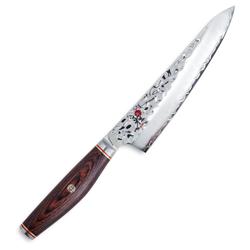
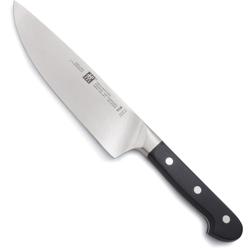
A Japanese chef's knife with a Damascus pattern, a comfortable grip, and a sharp, durable blade.
Pros: sharpness, lightweight, craftsmanship
-
(5)
A handcrafted paring knife with a durable Japanese steel blade and African Blackwood handle.
Pros: blade steel, ergonomic design, perfect for lunch
-
(7)
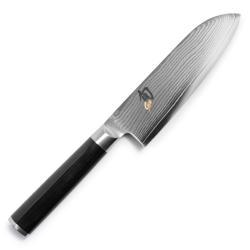
A sharp and durable black santoku knife made of stainless steel, perfect for cutting vegetables and thin-boned meats.
Pros: sharpness, ease of use, ease of food prepping
-
(12)
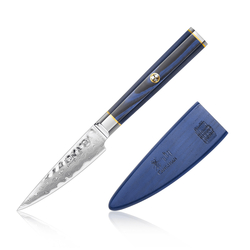
A 3.5" paring knife with a Damascus steel blade and a blue faux-wood-grain handle.
Pros: sharpness, design, durable sheath
-
(119)
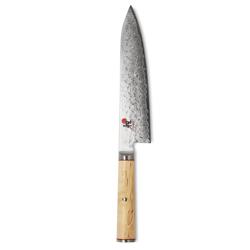
A 7" Japanese-style vegetable cleaver with a Damascus patterned blade and comfortable Masur birch handle.
Pros: sharpness, balance, aesthetic
-
(5)
A versatile bread knife with a serrated Damascus steel blade and a blue faux-wood-grain handle.
Pros: beautiful, smooth cutting, no smashing
-
(9)
A precision-forged Nakiri knife with a Damascus steel blade and African Blackwood handle for expert vegetable prep.
Pros: sharpness, weight, quality
-
(65)
A versatile santoku knife with a blackened maple handle, forged from MC66 steel and stainless steel Damascus.
Pros: sharpness, versatility, comfortable handle
-
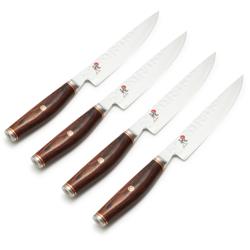
(30)
A set of four exquisite steak knives with a razor-sharp katana edge and distinctive Cocobolo Pakkawood handles.
Pros: sharpness, beautiful design, comfortable handle
-
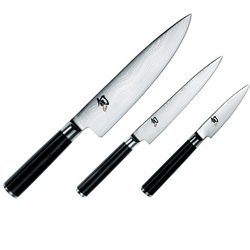
(7)
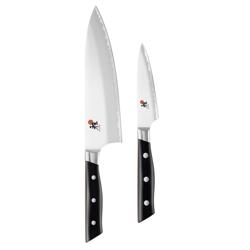
A tasteful and contemporary 3-piece knife set with Damascus-clad blades and D-shaped ebony pakkawood handles.
Pros: quality, sharpness, helpful for cooking
-
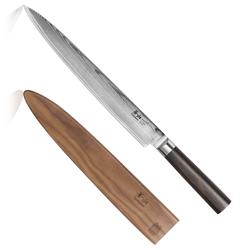
(5)
A long and narrow slicer knife with a hand-sharpened, stain-resistant Japanese steel blade and African Blackwood handle.
Pros: sharpness, appearance, quality
Handmade Kitchen Knife
Upgrade your kitchen arsenal with a Handmade Kitchen Knife that combines the perfect blend of craftsmanship and functionality. Expertly crafted by skilled artisans, these knives are designed to elevate your culinary experience to new heights. With their razor-sharp blades and ergonomic handles, these handmade kitchen knives are not only beautiful but also deliver precision and control for all your slicing, dicing, and chopping needs. Discover the artistry behind each blade as you effortlessly slice through ingredients and unleash your inner chef. Whether you're a professional cook or a passionate home chef, these handmade kitchen knives are sure to become an essential tool in your culinary journey.

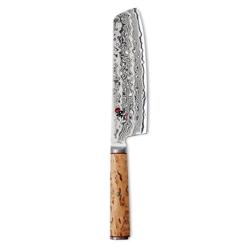
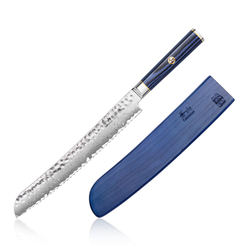
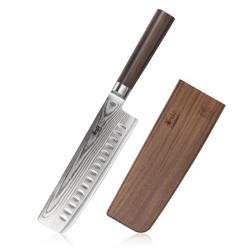
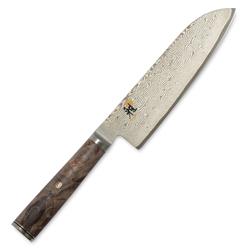
Handmade Kitchen Knife
FAQ List
To ensure the longevity of your handmade kitchen knife, it is recommended to hand wash it with mild soap and warm water. Avoid using abrasive sponges or harsh cleaning agents that can damage the blade or handle. After washing, dry the knife thoroughly to prevent any moisture from causing rust or corrosion.
The frequency of sharpening your handmade kitchen knife depends on how often you use it and the type of blade. As a general guideline, it is recommended to sharpen your knife every few months or when you notice a decrease in its cutting performance. Regular honing with a honing rod can help maintain the sharpness in between sharpening sessions.
Absolutely! Handmade kitchen knives are designed to be used on cutting boards. However, it is important to choose a cutting board made from materials that are gentle on the knife's edge, such as wood or bamboo. Avoid cutting on hard surfaces like glass or granite, as they can dull or chip the blade.
Yes, many handmade kitchen knives are designed to be ambidextrous and can be used comfortably by both right-handed and left-handed individuals. Look for knives with symmetrical handles or those specifically labeled as suitable for left-handed use.
Handmade kitchen knives are versatile tools that can be used for a wide range of food preparation tasks. From slicing fruits and vegetables to trimming meat and filleting fish, these knives are designed to handle various culinary challenges. However, it's important to choose the right knife for the specific task to ensure optimal performance and safety.

-
"He says it is the best bread knife he has ever used - that it cuts the crisp crust artisan breads he"
-
"One of the best knives EVER Love this brand Quality PLUS"
-
"Great set very sharp"
-
"I love the workmanship"
-
"Best knives a have ever owned"