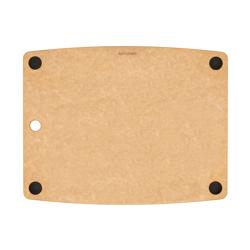
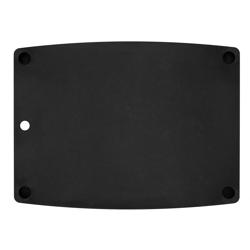
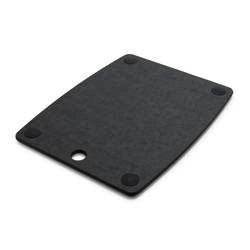
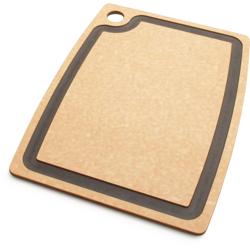
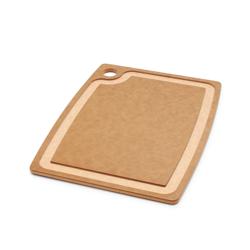
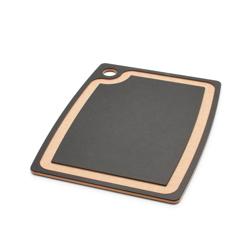
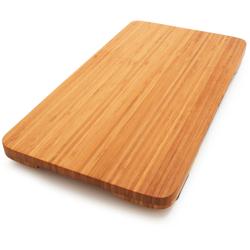
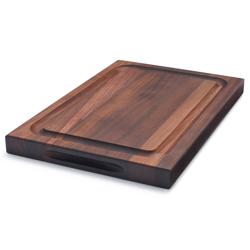
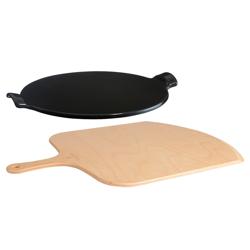
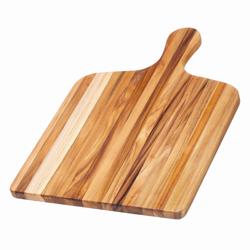
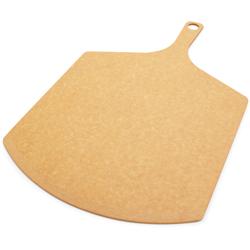
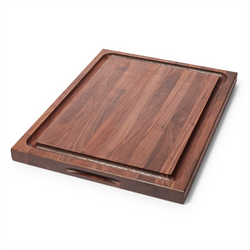
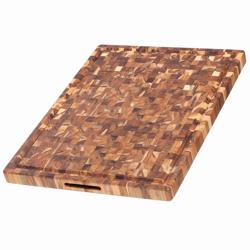
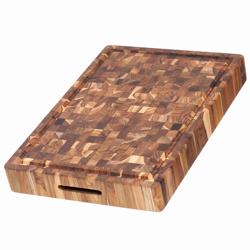
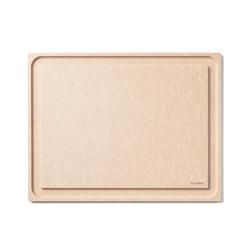
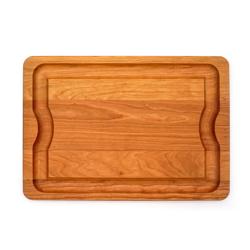
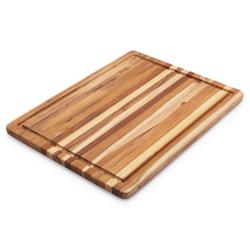
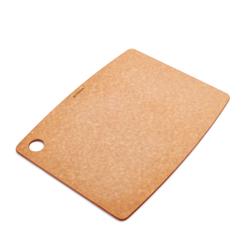
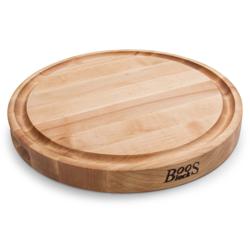
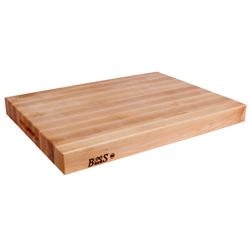
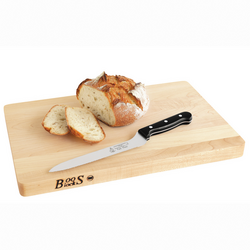
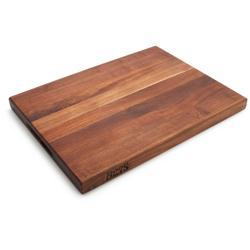
Heat resistant carving boards provide a dedicated surface for slicing warm roasts, portioning grilled meats and collecting the juices that would otherwise run across the counter. The best fit balances a clearly stated heat rating, a knife-friendly surface and care requirements that suit your kitchen. Some paper composite carving boards are rated to withstand temperatures up to 350°F, but heat tolerance varies by material and construction, so the manufacturer’s instructions matter more than the material name alone. A board suitable for carving a rested roast is not necessarily approved to hold a roasting pan straight from the oven. Heat resistant also does not mean heatproof: direct flame, a hot burner or prolonged contact with cookware can damage a surface even when it tolerates warm food well. Paper composite boards typically combine layers of paper with resin, creating a relatively slim, firm work surface that can be easier to carry and store than a thick wooden block. Certain resin and composite boards are dishwasher safe, making them appealing for cooks who want straightforward cleanup after a meal. Hardwood boards offer a different balance of benefits. Maple and other hardwoods provide a durable carving surface with a natural grain that looks at home on a serving table, though wood should not be assumed to carry a high-temperature rating. Its appeal lies in its feel under a knife, substantial construction and presentation value rather than its ability to support scorching cookware. For a cook transferring a rested chicken from its roasting dish, either material may be appropriate when used according to its care instructions. For a carving station exposed to heat lamps, a documented rating and approval for that setting become especially important. Across materials, the useful distinction is between a board designed to handle the intended food preparation task and one being asked to act as a trivet. Keeping a separate cookware rest nearby lets the carving board do its main job: support controlled slicing and keep the work area organized.
Size and layout shape how comfortably a heat resistant carving board handles a meal. A whole roast needs enough room for the food itself, the carving fork and the slices as they fall away from the knife. A board that barely fits the meat can leave little space to separate portions or collect juices without crowding the edge. For larger cuts and more generous serving space,
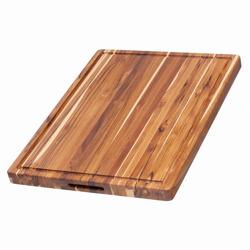
Large Heat Safe Cutting Boards offer a related category to consider, with individual dimensions and heat ratings still worth checking. Usable cutting space matters as much as overall size because a wide perimeter groove takes up part of the surface. Juice grooves help contain runoff from roast beef, pork tenderloin or a carved chicken, while a deeper collection well can make it easier to reserve those juices for a sauce. No groove has unlimited capacity, though, and resting meat as the recipe directs remains important before carving. A flat surface offers more uninterrupted room for arranging slices or handling other prep tasks, and a reversible design can provide different working surfaces when its construction allows. Thickness affects the board’s weight, storage needs and feel on the counter. A substantial board can feel reassuring during carving, while a thinner composite board may be more manageable when moving between the kitchen and an outdoor cooking area. Neither thickness nor weight alone guarantees stability; a level surface and a secure base matter, too. Nonslip feet can help limit movement, although they may prevent a board from being used on both sides. Handles or recessed grips are useful when lifting a board, especially one carrying food, but their shape should leave a comfortable place for your fingers. Practical fit also extends beyond the countertop. A carving board needs room in the sink for thorough cleaning, a suitable place to dry and storage that does not force it into a tight, damp space. Those everyday details often determine whether it becomes a regular part of meal preparation.
Care and durability are closely connected, particularly for a surface used repeatedly with a sharp carving knife. Wood generally offers a forgiving feel under the blade, while dense paper composite and resin surfaces can feel firmer; the effect on an edge depends on the board’s specific construction and how it is used. Glass and stone may tolerate some heat, but their hardness makes them poor choices for routine carving with kitchen knives. A suitable carving surface should support clean slicing without requiring excessive pressure, and a well-maintained knife helps make that possible. Normal knife marks are part of a working board’s life, but deep grooves, cracks, splintering or separating layers can make thorough cleaning difficult and may signal that replacement is needed. Wooden carving boards generally require hand-washing, prompt drying and periodic conditioning with a food-grade product recommended by the manufacturer. Soaking wood or putting it in the dishwasher can lead to swelling, cracking or warping. Dishwasher-safe composite boards can simplify care, but that designation should be confirmed for the individual board rather than assumed for an entire material category. After carving, remove food residue and clean the surface according to its instructions, paying attention to juice channels, grips and edges. Keep raw-meat preparation separate from carving cooked food, either with dedicated boards or by thoroughly cleaning and sanitizing an appropriate surface between tasks. For everyday cooks, these routines make a manageable board more useful than an oversized one that is awkward to wash. Frequent hosts may appreciate a generous surface that moves neatly from carving to serving, while someone cooking smaller meals may prefer a compact board with a well-designed groove. A carving board can also be a thoughtful housewarming or wedding gift, particularly when its weight, storage footprint and maintenance needs suit the recipient. Natural wood offers warmth at the table; a streamlined composite design may better suit someone who values easy handling and simpler care. The lasting appeal comes from matching heat tolerance, working space and upkeep to the meals being made, whether that means slicing a weeknight chicken or serving a roast to a full table.