Cooking classes centered on enameled cast iron connect familiar ingredients with techniques that make everyday meals more satisfying. The appeal is easy to picture: onions softening into a golden base, mushrooms developing browned edges, or a covered pot holding the gentle simmer that turns a tough cut tender. In a class setting, those changes become easier to recognize because there is time to notice what is happening between the steps of a recipe. A chef can explain why food needs room to brown, how retained heat affects cooking, and what changes when a lid goes on or comes off. Rather than treating cookware as the focus of the meal, this kind of instruction shows how it supports flavor, texture, and timing. Enameled cast iron holds heat well once warm, making heat management a useful part of the learning experience. Understanding when to reduce the burner, when to leave ingredients undisturbed, and when to add liquid can help take the guesswork out of cooking. These lessons matter whether dinner is a simple vegetable dish or a longer braise intended for sharing. Beginners can build a foundation in sautéing, simmering, and seasoning, while more practiced cooks may appreciate a closer look at the small decisions that separate a good result from a great one. Hearing the difference between a lively sizzle and an overly aggressive hiss, or seeing how a sauce coats the back of a spoon, gives written instructions a practical reference point. The goal is not a complicated performance. It is a clearer understanding of how ingredients behave, how flavors develop, and how to bring a dish to the table with greater confidence. That understanding carries beyond any single menu, helping familiar recipes feel less dependent on exact timing and more connected to what is actually happening in the pan. It also makes a class useful for cooks who enjoy following recipes but want to feel more comfortable making small adjustments along the way.
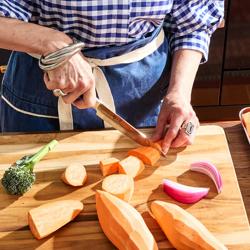
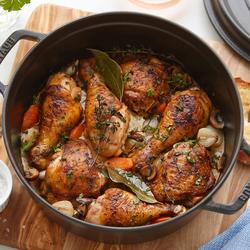
The menu gives each class its character, while the techniques provide the lasting value. A class featuring a braised dish might explore the relationship between a well-browned base, a flavorful cooking liquid, and enough time for the main ingredient to become tender. A vegetable-focused menu can bring attention to equally important details: how much moisture ingredients release, why cooking in batches can improve browning, and how acidity or fresh herbs can brighten a rich dish. Sauces offer another opportunity to connect taste with technique. The browned bits left after sautéing can become the starting point for a sauce, and tasting as it reduces helps explain why seasoning is best considered throughout the cooking process rather than only at the end. These are approachable skills, but watching them come together in a complete meal can make them easier to remember. A class also creates space to understand the rhythm of cooking several components without making every step feel urgent. Chopping before the heat goes on, recognizing a natural pause while something simmers, and finishing a side dish close to serving time all contribute to a calmer kitchen experience. For someone who tends to have dinner ready in separate stages, seeing that sequence unfold can be particularly helpful. For a confident cook, the interest may lie in refining texture, balancing richness, or learning a different approach to a familiar preparation. The class description is the best place to understand the menu, level of instruction, and techniques associated with an individual session. A menu that sounds delicious is a natural starting point, but the most rewarding fit may also be the one that addresses a recurring kitchen frustration, such as pale rather than browned vegetables or a sauce that never quite comes together. The experience can put those details into context, showing how preparation, heat, moisture, and seasoning work together rather than presenting each as an isolated rule. A successful dish becomes something understandable and repeatable, not just something that happened to turn out well once.
Cooking classes can be a comfortable starting point for someone setting up a first kitchen, a change of pace for a regular home cook, or a shared experience for people who enjoy spending time around food. A beginner does not need an ambitious dinner-party goal to find value in learning how to build flavor and recognize doneness. Being able to make a satisfying meal with fewer moments of uncertainty is a meaningful result on its own. Couples might choose a class as a date built around a shared task, with the interest coming from making something together rather than simply ordering dinner. Friends can use the occasion to explore a style of cooking outside their usual rotation, while a birthday or anniversary can be marked with an experience that leaves room for both conversation and concentration. As a gift, a cooking class can suit someone who is curious about technique, enjoys trying recipes, or would appreciate dedicated time to learn. Matching the menu and experience level to that person’s interests makes the choice feel thoughtful. Browse
In Person Cooking Classes to explore other menus and areas of culinary interest alongside cookware-focused instruction. The broader appeal of learning in a kitchen is the chance to connect an explanation with a sound, aroma, or texture while the process is unfolding. A question about whether a sauce has reduced enough is easier to understand with the sauce in view; a lesson about browning becomes more memorable when its flavor is part of the finished dish. Those reference points can stay useful long after the class ends. Back at home, the same skills can support a quiet dinner for two, a meal shared with friends, or a dependable family favorite. The lasting benefit is not simply another recipe to keep. It is a more relaxed relationship with cooking, grounded in observation, practice, and the satisfaction of understanding why a meal works.