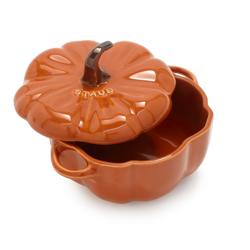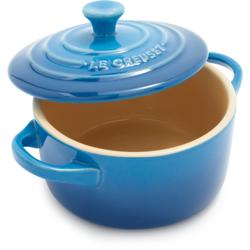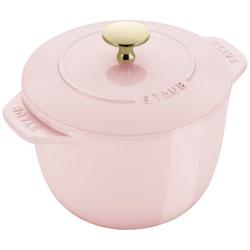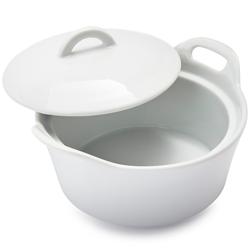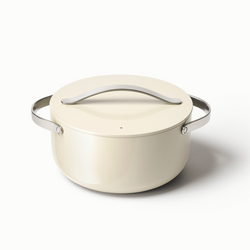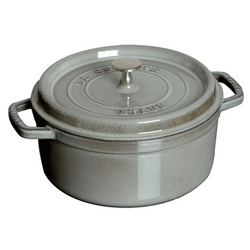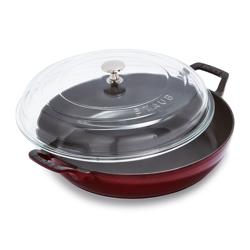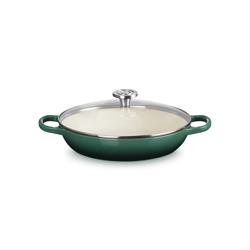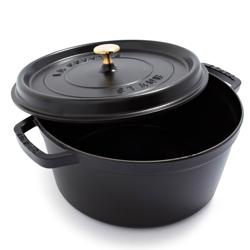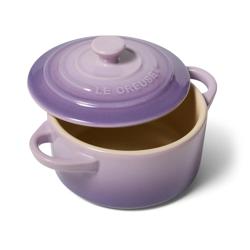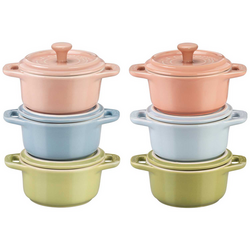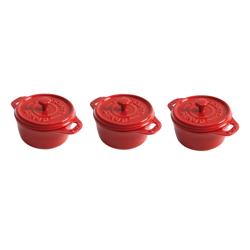
Mini cocottes are petite, covered baking dishes designed for individual portions and oven-to-table serving. Styled like miniature Dutch ovens, they bring the practical qualities of a larger covered casserole to recipes made for one or two people. Most hold between 8 and 14 ounces, making them well suited to baked eggs, macaroni and cheese, pot pies, gratins, cobblers and molten chocolate desserts. Their compact size helps food cook and stay warm in its own serving dish, while the lid helps retain moisture and makes it easy to cover leftovers between preparation and serving. A mini cocotte can also hold a warm dip, compound butter, sauce or side dish at the table, turning even a casual meal into something that feels considered. They are especially useful when everyone wants a slightly different topping or filling: one person can have a bubbling vegetable gratin while another enjoys a personal chicken pot pie or a baked pasta with extra cheese. During the warmer part of the year, use them for individual fruit crisps, baked dips and small servings of roasted vegetables. As the weather cools, they are ready for comforting soups, creamy casseroles and softly baked desserts served straight from the oven.
Material is one of the most important considerations when choosing a mini cocotte. Enameled stoneware is a popular choice for baking and serving because it distributes heat gently and presents food beautifully. Depending on the construction and manufacturer, stoneware mini cocottes may be safe for the oven, broiler, microwave, refrigerator and dishwasher, but care instructions vary, so check the details for each piece before using it. Stoneware should not be placed directly on a stovetop burner unless the manufacturer specifically states that it is designed for that use. Cast iron versions offer excellent heat retention and a substantial feel, making them useful for keeping individual servings warm from kitchen to table. They can be particularly appealing for dishes that benefit from steady heat, such as baked beans, gratins and braised preparations, though they are generally heavier and may have different cleaning and temperature guidelines. Look for a securely fitting lid, sturdy handles and a smooth interior that is easy to wipe clean. Consider the inside dimensions as well as the stated capacity, especially if you plan to bake eggs, a pastry-topped filling or a dessert that rises as it cooks. Leave room at the top for bubbling and expansion, and place each cocotte on a baking sheet to make transferring several filled dishes easier and to catch any drips. Avoid sudden temperature changes—moving a cold dish directly into a very hot oven or setting a hot dish on a cold, damp surface can cause thermal stress. For attractive serving, set hot cocottes on a heat-safe trivet and use oven mitts when handling the lid and handles, which can remain hot long after the food reaches the table.
Mini cocottes are a thoughtful gift for home cooks, newlyweds, hosts and anyone who enjoys making a meal feel personal. A set gives a family or dinner party a cohesive way to serve individual portions, while a single cocotte can be a useful addition to a small kitchen, apartment or office entertaining setup. They also suit cooks who like to prepare components ahead: assemble individual pot pies, gratins or fruit desserts, refrigerate them according to the recipe and bake when needed, following the cookware’s temperature guidance. For a relaxed gathering, fill them with warm olives, baked feta, spinach dip or a savory spread and arrange them around the table with small spoons or slices of bread. At a brunch, they make baked eggs feel special without requiring a large casserole dish, and at dinner they keep sauces and side dishes neatly portioned. Their scale is also helpful for reducing food waste, since a small serving can be baked without heating a full-size dish or preparing more than the table needs. When shopping, think about the recipes you make most often, the number of diners you usually serve and whether you want a piece primarily for baking, serving or both. Choose a capacity that leaves enough room for toppings and bubbling, confirm the compatible cooking surfaces and cleaning methods and consider whether the color and shape will complement your tableware. For a broader selection of heat-friendly individual serving dishes, explore
Ceramic Cocottes. With the right care, a mini cocotte can become one of those hardworking pieces that earns a regular place in the kitchen—small enough for everyday cooking yet polished enough to make a simple meal of baked eggs, a crisp-topped casserole or a warm dessert feel like an occasion.