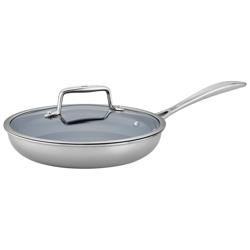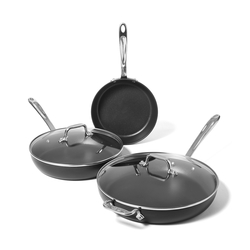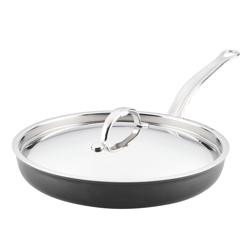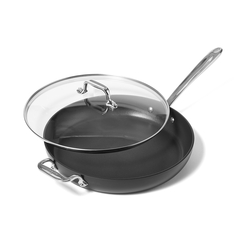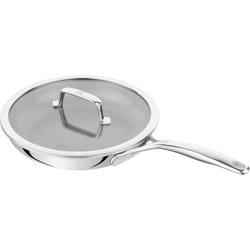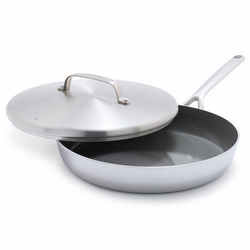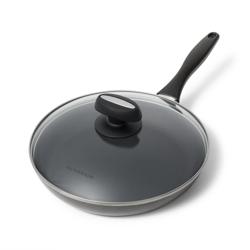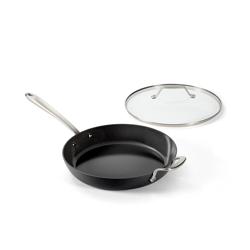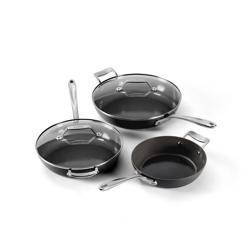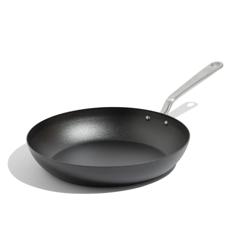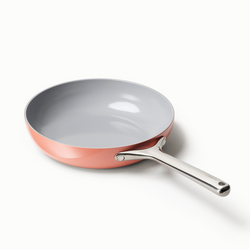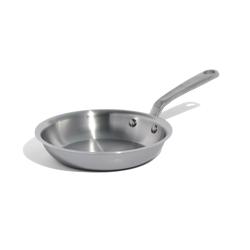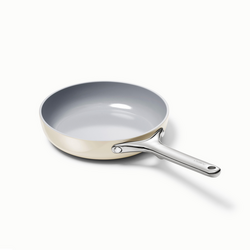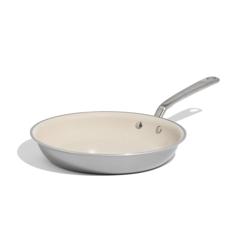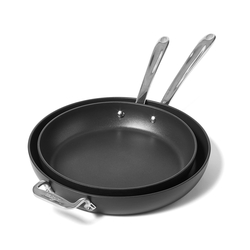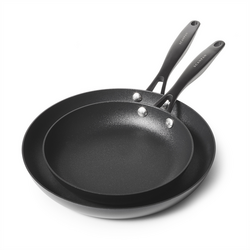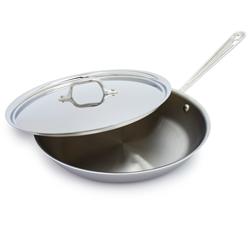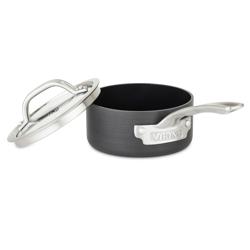
A nonstick skillet with a lid is one of the most useful pieces of cookware for everyday meals. The broad, gently sloped surface is well suited to frying eggs, browning chicken, sautéing vegetables and cooking delicate foods that can stick in uncoated pans. Add a lid and the skillet becomes even more versatile: cover a dish to finish cooking, hold in moisture, melt cheese, wilt greens or simmer a sauce without constant stirring. A lidded skillet can move easily from the first step of a recipe to the final serving, which makes it especially helpful in kitchens where one pan needs to do several jobs. During the cooler months, use one to make a quick skillet supper of chicken and vegetables, a creamy pasta dish or beans in tomato sauce. As the weather shifts, it is just as useful for lighter meals such as sautéed zucchini, fish with lemon or a warm grain bowl. Nonstick cooking surfaces generally release food with less fat and make cleanup easier, a welcome advantage when preparing breakfast before work or getting dinner on the table after a full day. They are also a thoughtful gift for first apartments, newlyweds, recent graduates or anyone building a practical cookware collection. For a broader coordinated assortment, explore
Nonstick Skillet Sets.
When choosing a nonstick skillet with a lid, start with the size that best matches the way you cook. An 8-inch skillet is convenient for one or two eggs, a grilled cheese sandwich or a small portion of vegetables, while a 10-inch skillet offers a flexible balance for everyday cooking. A 12-inch skillet provides more room for several servings, larger cuts of meat or ingredients that need space to brown rather than steam. Deep-sided designs are particularly useful when a recipe includes sauce, pasta, grains or a generous amount of vegetables, since the extra height helps contain ingredients while you stir. Capacity can also be a helpful guide: a smaller pan suits individual portions, while a skillet with several quarts of capacity is better for family meals and make-ahead cooking. Consider the lid as carefully as the pan itself. A glass lid makes it easy to check simmering food without releasing heat, while a well-fitting lid helps retain moisture and heat. A lid with a comfortable knob and a rim that sits securely on the pan makes covered cooking feel natural rather than fussy. If storage space is limited, look for a skillet and lid that nest neatly with the rest of your cookware. A balanced handle with a comfortable grip is another important detail, especially when the pan is full. Longer handles can provide control on the stovetop, while a helper handle can make a larger skillet easier to lift and carry.
The right skillet should also suit your cooktop and your habits. If you use induction, confirm that the pan is induction compatible before purchasing; not every nonstick skillet is designed for that cooking surface. Compatibility with gas, electric and glass cooktops is often listed in the product details as well. Check the oven-safe temperature if you plan to begin a recipe on the stovetop and finish it in the oven, and verify whether that rating applies to both the skillet and its lid. Some lids have lower temperature limits than the pan, particularly when they include glass or heat-sensitive components. Nonstick coatings vary, so follow the care instructions provided with each piece. In general, wooden, silicone or other nonabrasive utensils help protect the cooking surface, and gentle hand-washing can extend the life of a pan even when the manufacturer permits dishwasher use. Avoid heating an empty nonstick skillet for a long time, let it cool before washing and use low to medium heat for most cooking. These simple habits help preserve smooth food release and even performance. A nonstick skillet with a lid is a practical choice for cooks who appreciate flexible cookware, straightforward cleanup and meals that move smoothly from sautéing to simmering. With the right size, comfortable design and cooktop compatibility, it can become the pan reached for most often—from a quiet breakfast for one to a shared dinner served while the windows turn cool.