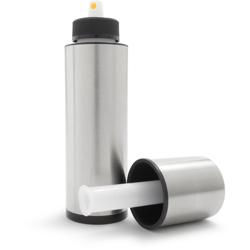
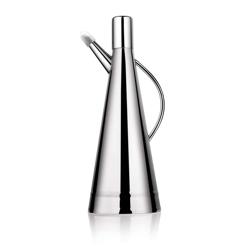
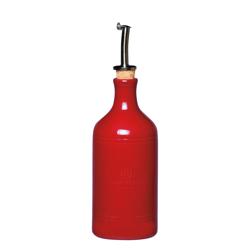
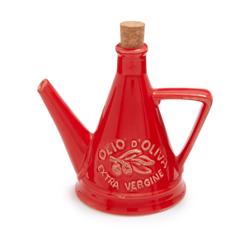
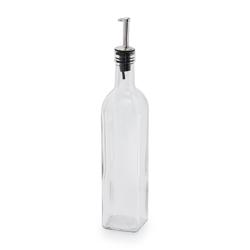
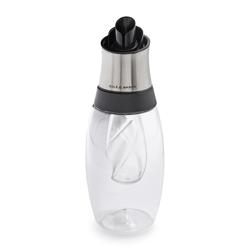
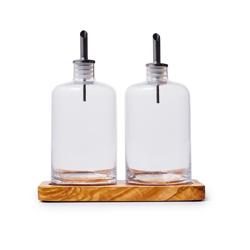
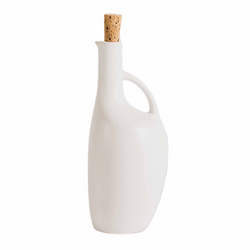
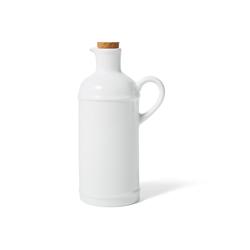
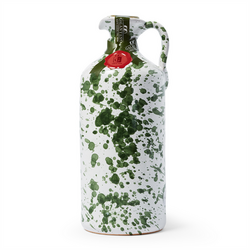
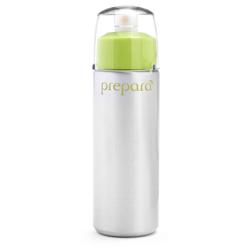
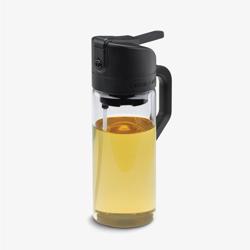
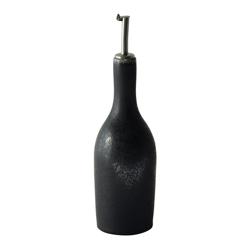
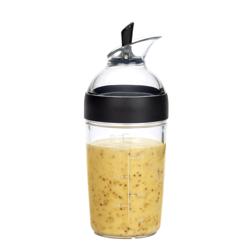
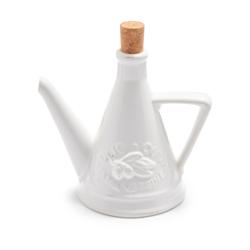
Olive oil dispensers for flavored oils pair a food-safe, nonporous container with a well-fitting closure and a spout that gives you control over each pour. Dark glass, opaque glazed ceramic and stainless steel are useful choices because they help shield oil from light, while a snug cap limits exposure to air between uses. For strained garlic, chile or herb-flavored oils, a narrow spout can deliver a finishing drizzle without overwhelming the food. That control matters when a little flavor goes a long way: a ribbon of lemon olive oil over grilled fish, a few drops of chile oil across hummus or a light pour of rosemary oil over roasted potatoes. A dispenser also makes it easier to bring flavored oils to the table without handling a larger storage bottle. The right shape depends on how you cook and serve. A slim bottle can fit comfortably beside everyday seasonings, while a wider cruet may feel more settled on a serving tray. Look for a neck or handle that feels easy to grip, particularly if you often reach for oil with damp hands during meal prep. Capacity deserves just as much attention as appearance. A smaller container makes sense for a finishing oil used a few drops at a time, while a larger one may suit a commercially prepared flavored oil used regularly in dressings and marinades. Choose a size that matches how quickly you use the contents rather than filling a large bottle simply to avoid refills. Leave enough room to replace the stopper without pushing oil up around the opening. Whether the dispenser sits on a dining table or stays in a cabinet, an easy-to-read label helps distinguish similar-looking oils and keeps a bold garlic flavor from finding its way into a dish intended for something more delicate. Keeping the original oil label or recording its storage directions and use-by information is especially helpful after transferring it to another container.
Material affects both the look of an olive oil dispenser and how it fits into everyday use. Dark glass offers light protection while often allowing you to check the fill level, and its nonporous surface is well suited to holding strongly flavored oils. Clear glass makes the contents easier to see but provides less protection from light, so it is better kept in a dark cabinet when not in use. Opaque ceramic can bring a softer, more decorative presence to the table; choose food-safe glazing on every surface that contacts the oil, and inspect it for chips or cracks over time. Stainless steel is opaque and resists the breakage associated with glass or ceramic, making it practical for a busy kitchen, though an entirely metal body hides the remaining oil level. With any material, the pouring assembly deserves a close look. A well-designed spout should release oil predictably and stop cleanly when the bottle returns upright. Drip-reducing designs can help keep the neck and base tidy, but an occasional wipe is still part of normal use. A cap or covered tip is useful for keeping the opening protected, though a hinged cover does not necessarily create an airtight seal. Check how the stopper fits and whether the spout comes apart for cleaning. Thin, strained oils generally work best with narrow pouring channels; pieces of herbs, garlic or chile can lodge inside and interrupt the flow. Spray mechanisms are especially sensitive to particles, so confirm that an oil and sprayer are compatible before filling. The opening of the bottle matters during refills, too. A wider mouth is easier to fill and reach with a bottle brush, while a narrow neck may call for a small funnel. Consider the dispenser’s height with its spout attached if it needs to fit beneath a shelf. For table service, a stable base and manageable filled weight can be more useful than extra capacity, especially when several people will pass the bottle around during a meal.
Care and storage help keep flavored oil dispensers pleasant to use, but the bottle alone cannot make an oil shelf-stable. Follow the producer’s storage instructions for commercially prepared flavored oils, including any directions to refrigerate after opening. Homemade oils containing fresh garlic or herbs require particular caution because they can support the growth of bacteria that cause botulism. Refrigerate these homemade mixtures at 40°F or below and use them within four days, or freeze them for longer storage; never treat a decorative cruet, tight stopper or added splash of lemon juice as a substitute for safe preparation and storage. Straining out fresh ingredients does not make an otherwise unsafe infusion safe to keep at room temperature. For oils whose labels permit cabinet storage, choose a cool, dark spot away from the stove rather than leaving the bottle beside a burner for convenience. Between fills, empty and wash the dispenser according to its care instructions instead of continually topping off old oil. Clean the spout and stopper as well as the bottle, paying attention to narrow passages where residue can collect. Confirm which components are dishwasher safe, since the bottle and pouring assembly may have different requirements. Rinse thoroughly and let every part dry completely before refilling. This is particularly important when changing flavors: even a little lingering chile oil can alter the next pour of a mild citrus blend. For someone who enjoys finishing a bowl of pasta at the table or setting out bread with several dipping oils, a thoughtfully chosen dispenser can be a useful gift with a personal touch. Match the material and size to the recipient’s habits, whether that means a compact bottle for a small kitchen or a comfortable handled shape for frequent entertaining. The
Olive Oil Dispensers For Foodies collection offers another way to explore dispensers with an enthusiastic home cook in mind. Across styles, the most useful choice is one that pours comfortably, cleans thoroughly and suits the oil it will hold.