-
(73)
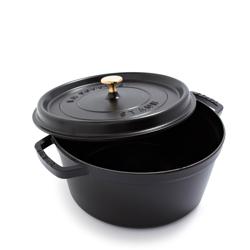
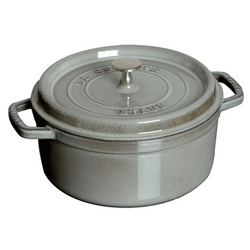
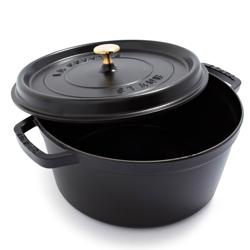
A traditional French cooking vessel made of durable cast iron, perfect for stews, soups, and roasts.
Pros: self-basting lid, large capacity, versatility
-
(26)
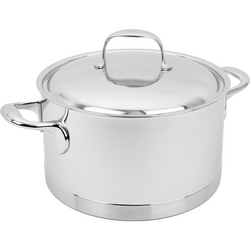
A 5.5 qt. stainless steel Dutch oven with InductoSeal base for optimal heat distribution and Silvinox finish.
Pros: easy to clean, versatile, perfect size
-
(47)
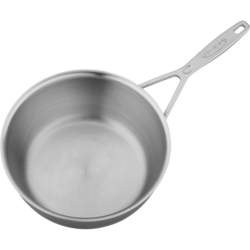
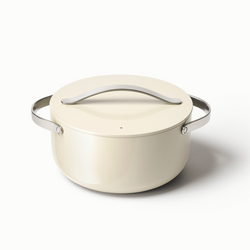
A 4-quart stainless steel saucepan with a helper handle, 5-ply construction, and induction compatibility.
Pros: easy to clean, durable, heats evenly
-
(258)
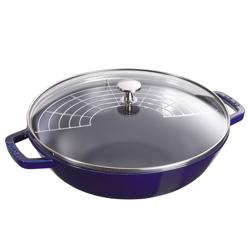
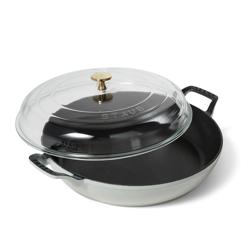
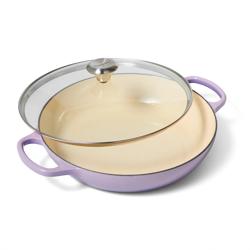
A blue enameled cast iron pan with a wide, angled profile for versatile cooking and easy cleanup.
Pros: versatility, easy to clean, attractive color
-
(127)
A 3.5L stainless steel deep fryer with automatic filtration and oil storage for easy clean-up.
Pros: easy to clean, easy to use, easy setup
Outdoor Deep Fryer
Get ready to take your outdoor cooking game to the next level with these outdoor deep fryers. Whether you're hosting a backyard barbecue, tailgating with friends, or simply enjoying the great outdoors, this versatile cooking appliance is a must-have for almost any outdoor enthusiast. With their powerful heat output and spacious frying basket, you'll be able to fry up your favorite crispy treats in no time. From golden french fries and crunchy onion rings to mouthwatering fried chicken and delectable seafood, these outdoor deep fryers allow you to create restaurant-quality dishes right in your own backyard.
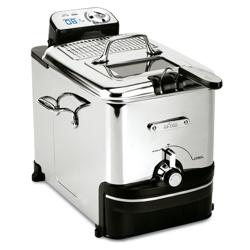
Outdoor Deep Fryer
FAQ List
No, outdoor deep fryers are specifically designed for outdoor use due to the potential for fire hazards and ventilation requirements. It is important to follow the manufacturer's instructions and safety guidelines to ensure safe usage.
It is recommended to use oils with high smoke points, such as canola, peanut, or vegetable oil. These oils can withstand the high temperatures required for deep frying without breaking down or producing excessive smoke.
Yes, preheating the outdoor deep fryer is essential for achieving crispy and evenly cooked food. Follow the manufacturer's instructions to properly preheat the fryer to the recommended temperature before adding your ingredients.
The frequency of oil changes depends on usage and the type of food being fried. As a general guideline, it is recommended to change the oil after 8-10 uses or when it becomes dark, thick, or develops an off smell. Regularly filtering and straining the oil can also help prolong its lifespan.
While outdoor deep fryers are primarily designed for deep frying, some models may offer additional cooking options such as boiling or steaming. However, it is important to consult the manufacturer's instructions to ensure safe and proper usage for any alternative cooking methods.
-
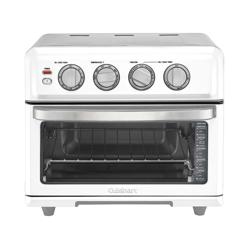
"The appliance cooks great and cleans up easy, I love this toaster oven, it's the best I ever had"
-
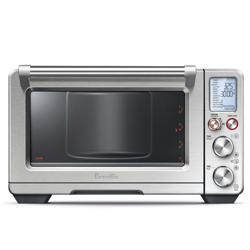
"The best I have ever owned. I super love this oven. The "airplane " mode is awesome"
-
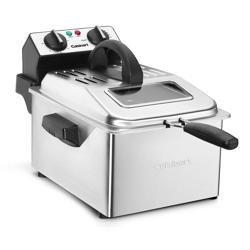
"Love it! Best thing I've bought in a long time! Drummies and wingettes are great"
-
"Quickly came to realize this pan is a great braiser, roaster, deep fryer, and fry pan"
-
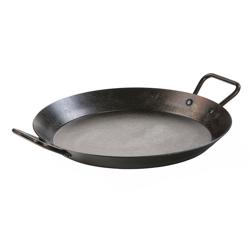
"Great pan. Heats up quickly and has a huge surface area for big meals. I love all my Lodge products"