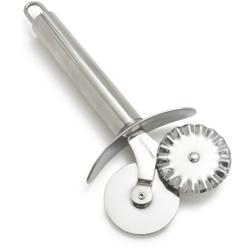
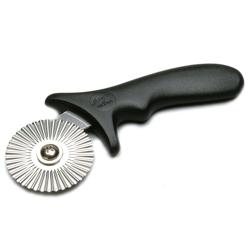
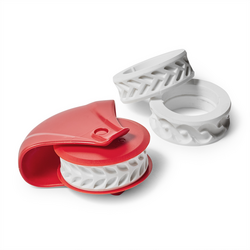
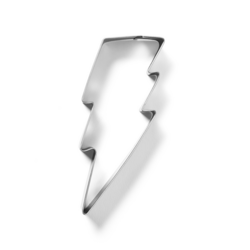
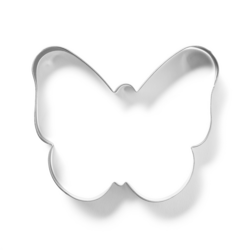
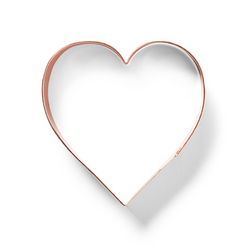
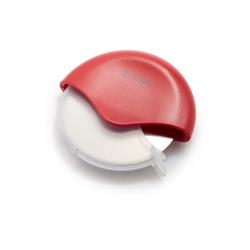
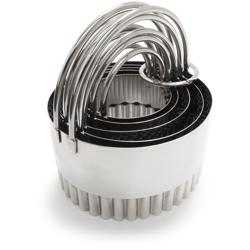
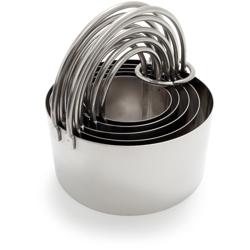
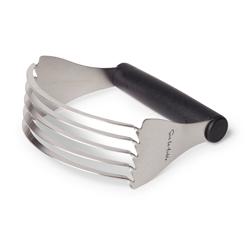
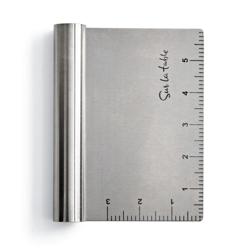
Pastry cutting tools help you work butter into flour, divide dough and shape pastries before baking. The term covers several types of baking utensils, each with a different purpose. A pastry blender, sometimes called a pastry cutter or dough blender, uses curved metal blades or wires to cut cold butter, shortening or lard into flour. A pastry wheel cuts rolled dough into strips or shapes, while shaped cutters portion biscuits, cookies and other pastries. These distinctions matter when choosing tools for the baking you enjoy, whether that means tender weekend scones or a fruit pie with a neatly woven lattice. For doughs that rely on small pieces of cold fat, a pastry blender brings ingredients together with less direct contact from warm hands. Those pieces of butter help create flaky layers as the dough bakes, although the right size and texture depend on the recipe. Sturdier blade-style blenders can handle firm butter, while wire-style designs offer another way to work fat through dry ingredients. Both give you a close view of the mixture as it changes from separate ingredients to coarse crumbs. Once dough is rolled out, cutting tools take on a different job. A straight-edged pastry wheel makes clean lines for lattice strips, turnovers and filled pasta; a fluted wheel leaves a decorative border. Round and shaped cutters help create consistent portions, which can support more even baking when dough thickness is also consistent. A broad dough scraper is useful for dividing portions and lifting them from a work surface without stretching them unnecessarily. For a baker who moves between biscuits, pie dough and homemade crackers, a few complementary cutting styles can be more useful than several tools that do the same job. The goal is a setup that suits your recipes and makes delicate dough easier to handle, from the first pieces of butter to the last scraps of pastry.
Materials, construction and fit affect how pastry cutting tools feel in use, especially when a recipe calls for repeated pressing or long, even cuts. Stainless steel is a common choice for cutting edges and blender blades because it resists corrosion and offers a firm working edge. Still, the material alone does not tell the whole story: blade thickness, secure joints and a comfortable handle all contribute to durability. A pastry blender should feel steady as you press into cold fat, with enough room beneath the handle to keep your knuckles clear of the mixture. A wider grip may spread pressure more comfortably across your palm, while a cushioned or textured handle may feel more secure when your hands are lightly dusted with flour. The best fit depends on your hand size, grip and mixing bowl. A broad blender may suit a roomy bowl but feel awkward in a narrow one, where the outer blades cannot easily reach the bottom. For pastry wheels, a freely turning blade and a secure connection to the handle help you follow a line without dragging the dough. Wheel diameter also affects maneuverability: a smaller wheel can feel easier to steer around tight curves, while a larger one may suit long cuts across a broad sheet of pastry. With shaped cutters, look for a smooth cutting rim and a top edge that feels comfortable under your hand. Metal cutters generally offer a thinner edge, while plastic designs may provide a broader surface to press. Cutter depth matters for thick biscuit dough, and the complexity of a shape matters for delicate pastry that must be lifted onto a baking sheet. Simple outlines tend to release more easily than narrow points or intricate corners. Measurements or size markings can also help when matching pastry rounds to baking wells or preparing consistent portions. Rather than choosing by appearance alone, consider the thickness of the dough, the space on your counter and how much control you want during each cut.
Good care helps pastry cutting tools stay pleasant to use and protects both their working edges and the surfaces beneath them. Follow the care instructions for each tool, since a stainless steel blade does not necessarily mean the entire utensil is dishwasher safe. Wood handles, cushioned grips and moving parts may have different cleaning requirements. Flour and butter can collect between blender blades or around the axle of a pastry wheel, so prompt cleaning is easier than leaving dough to dry in those spaces. A soft brush can help loosen residue without putting fingers against a cutting edge. Dry tools thoroughly before storing them, paying particular attention to joints and rolled rims where water may linger. Keep thin-edged cutters from being crushed beneath heavy utensils and give wheeled tools a place where their edges will not knock against other metal pieces. The work surface deserves equal attention. A metal wheel can score a silicone pastry mat or scratch some countertops, so use a surface approved for cutting and check the manufacturer's recommendations. In everyday baking, small details make these utensils especially useful: a light dusting of flour can help a cutter release sticky dough, and a straight downward press, rather than a twist, helps preserve the edges of cut biscuits. Sharp outlines are easier to maintain when dough stays at the temperature the recipe requires; a cutting tool cannot compensate for pastry that has become too warm and soft to move. These are practical tools for first-time pie bakers, experienced home cooks and anyone who likes turning a quiet afternoon into a tray of something homemade. They also make thoughtful gifts for someone building a baking collection, particularly when selected around a favorite recipe rather than a complicated technique. During the cooler months, their usefulness carries from savory hand pies to spiced scones and pastries for shared meals. For bakers whose projects also include layer cakes,
Cake Cutting Tools address the separate task of cutting baked cakes, complementing the tools used to mix, portion and shape pastry dough.