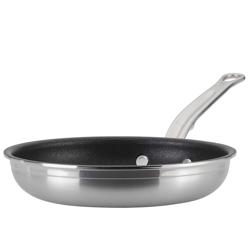
Plasma primer nonstick pans use a plasma-applied intermediate layer to help bond a nonstick coating to the metal pan body. This primer is designed to strengthen coating adhesion and support wear resistance, while the finished cooking surface provides the food release associated with nonstick cookware. In a typical plasma-spray process, intense heat deposits a reinforcing material onto the metal, creating a textured foundation for the layers above it. Titanium-based materials are one example, though the exact construction varies by manufacturer. The important distinction is that a plasma primer sits beneath the cooking surface; it is not necessarily the surface that touches food. For everyday cooking, this construction brings attention to a familiar priority: a pan that releases delicate ingredients easily and stands up to regular use with appropriate care. Picture an omelet folding neatly onto a plate, a thin crêpe lifting at the edges or a tender fish fillet turning without leaving half its crust behind. Those are the kinds of tasks where a well-made nonstick pan earns its place beside stainless steel or cast iron cookware. A reinforced primer can contribute to durability, but it does not make every pan scratchproof or give every coating the same performance. Neither “plasma primer” nor “titanium reinforced” alone tells you whether the finished coating contains PTFE or is PFAS-free. Those details belong in the individual coating specifications, along with recommended heat levels and utensil guidance. When comparing
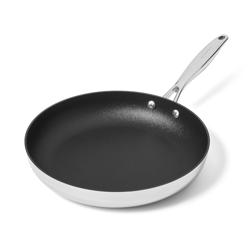
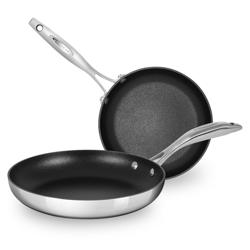
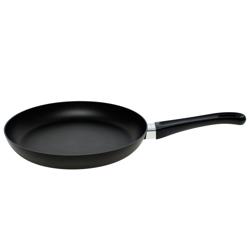
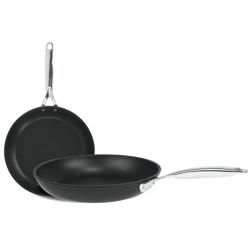
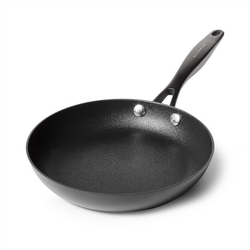
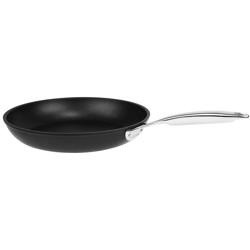
Titanium Plasma Nonstick Frying Pans, consider the complete coating system rather than the reinforcing material alone. A dependable choice balances easy release with a comfortable shape, suitable construction and care requirements that fit the way you cook. The metal underneath matters, too: aluminum conducts heat readily, while stainless steel components may contribute structure or provide a magnetic base for induction cooking. Heat distribution depends largely on the pan’s body, thickness and base design, not simply on the presence of a plasma primer.
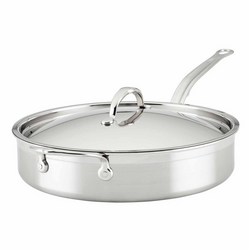
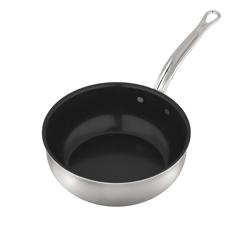
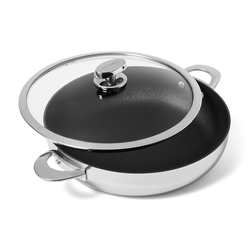
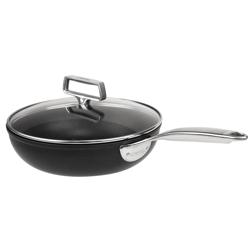
The right size and shape make plasma primer nonstick cookware more useful from the first meal. A smaller frying pan suits a couple of eggs, a single grilled sandwich or a modest portion of vegetables, while a wider cooking surface gives several portions room to cook without crowding. Check the flat cooking area rather than relying only on the diameter measured across the rim; two pans with similar outer dimensions can offer noticeably different space for food. Sloped sides make it easier to slide a spatula beneath pancakes or ease an omelet onto a plate. Straighter, deeper sides help contain a generous portion of sautéed vegetables or a dish finished with sauce, although added depth can also make a pan heavier and less convenient to tilt. For browning, enough space between ingredients allows moisture to escape instead of collecting around the food. A broader pan still needs a burner that suits its base, since a small heating element beneath a large cooking surface can leave the edges slower to warm. Cooktop compatibility deserves the same attention as size. Aluminum alone will not work on an induction burner; an induction-compatible pan needs a suitable magnetic base. On a glass cooktop, a smooth, flat bottom helps maintain contact, and lifting rather than dragging the pan helps protect the cooking surface beneath it. Handle shape can be just as important during everyday use. A secure grip and balanced weight make a difference when transferring a pan of scrambled eggs or carrying dinner to the counter. Larger pans may benefit from a helper handle, particularly when filled. If stovetop-to-oven cooking is part of the routine, check the stated oven limit for the entire pan, including its handle, and check a lid separately. Plasma reinforcement does not establish oven or broiler suitability. For someone furnishing a first kitchen, a versatile size may be more practical than several overlapping shapes; an experienced cook might prefer a dedicated pan for delicate foods alongside other cookware for high-heat searing.
Care habits remain important even with a reinforced foundation beneath the nonstick finish. Low to medium heat is often enough for eggs, pancakes and gently sautéed ingredients, and any preheating should follow the manufacturer’s instructions. Leaving an empty nonstick pan over a hot burner can overheat the coating quickly, particularly on a powerful induction element. A little butter or oil can add flavor and help with browning, but a nonstick surface does not need a deep pool of fat to release food. Aerosol cooking sprays may leave stubborn residue, so check whether the coating manufacturer recommends avoiding them. Silicone, wood or other approved utensils are sensible everyday companions; permission to use metal utensils should come from the pan’s care instructions rather than an assumption about the primer. Cutting food inside the pan or scraping it with a sharp edge can damage the finish regardless of what lies underneath. After cooking, let the pan cool before washing instead of moving it straight from the burner into cold water. Gentle hand-washing with dish soap and a soft sponge is a practical choice, even when a pan is labeled dishwasher safe, because dishwasher detergents and repeated cycles can be harder on some finishes. Abrasive pads are best avoided unless specifically approved. A soft protector between stacked pans also helps prevent another pan’s base from rubbing against the cooking surface. These small habits support the coating over time, but no nonstick finish should be treated as permanent. Peeling, flaking or a substantially damaged surface is a reason to replace the pan rather than continue relying on it. As a gift, plasma primer nonstick pans can suit a new homeowner, a frequent breakfast cook or someone who enjoys cooking fish and other delicate ingredients. Matching the recipient’s cooktop, preferred pan weight and cleanup routine matters more than choosing the largest size. Thoughtful construction and realistic care expectations make this cookware a useful part of daily cooking, from a quick breakfast to a carefully prepared dinner.