-
(4)
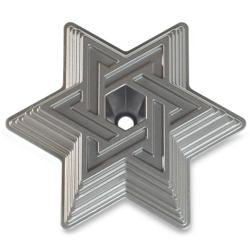
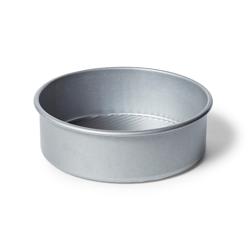
A professional-quality silver cake pan made of aluminized steel for even heat distribution and easy release.
Pros: game-changing, perfect size, great quality
-
(12)
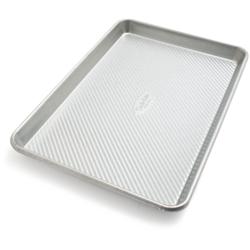
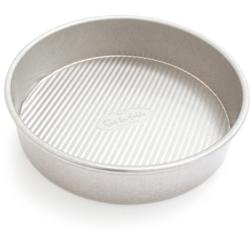
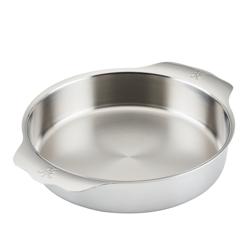
A commercial-quality cake pan made of aluminized steel for even heat distribution and durability.
Pros: quality, easy to clean, scratch resistant
-
(18)
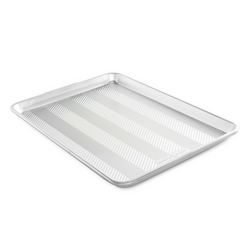
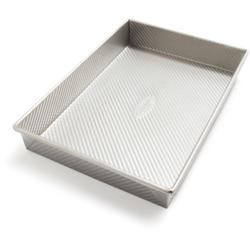
A commercial-quality rectangular cake pan made of aluminized steel for even heat distribution and easy release.
Pros: effective pan
-
(9)
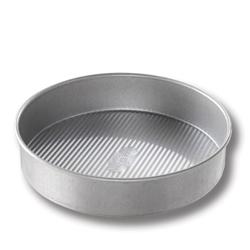
A commercial-quality, silver cake pan made of aluminized steel for even heat distribution and easy release.
Pros: effectiveness, non-stick, quality
-
(20)
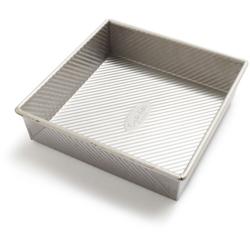
A commercial-quality, silver square cake pan made of aluminized steel for even heat distribution and durability.
Pros: nonstick coating
-
(995)
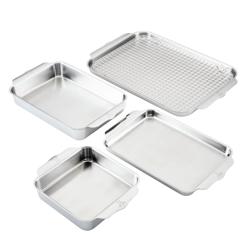
A sleek and durable silver bakeware set with wide handles for easy oven use.
Pros: durable, no warping, easy cleanup
-
(121)
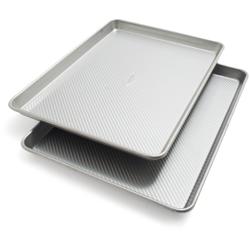
A set of 2 silver half sheet pans made of thick aluminized steel for even heat distribution and durability.
Pros: durable, easy to clean, non-stick
-
(11)
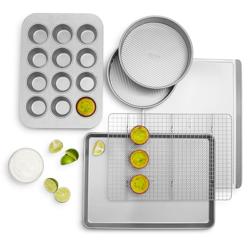
A commercial-quality bakeware set with even heat distribution, eco-friendly nonstick coating, and durable construction.
Pros: easy to clean, versatility, great quality
Professional Cake Pans
If you're a baker who's serious about your craft, you need a cake pan that can handle heavy use and frequent washing. Professional cake pans are designed to provide even heat distribution and consistent baking results. These pans are typically made of heavy-duty, non-stick metal or silicone and come in a variety of sizes and shapes. Here are some great options.

Professional Cake Pans
FAQ List
Professional cake pans are typically made of aluminum or stainless steel, as these materials are durable and conduct heat well.
Most professional cake pans come in standard sizes, such as 8-inch, 9-inch, and 10-inch round pans, as well as 9-inch by 13-inch rectangular pans.
Absolutely! Professional cake pans are not just for professional bakers. Home bakers can also benefit from using these high-quality pans to produce consistent and impressive results.
Yes, different types of cakes require different types of pans. For example, a bundt cake requires a bundt pan, while a layer cake requires round pans. Be sure to consider the type of cake you will be making when shopping for professional cake pans.
It is generally recommended to hand wash professional cake pans to maintain their quality and prevent damage. However, some pans may be dishwasher safe. Be sure to check the manufacturer's instructions before putting your pans in the dishwasher.
-
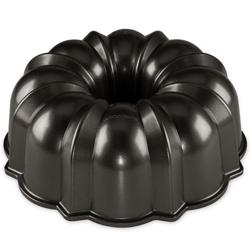
"cute for hanukkah , vefy easy to unmold just follow a recipe for any 9 cup bundt , beautiful design, love"
-
"cookie sheet is too large for my oven, but plan to give it to one of my children so they can see how great"
-
"I love the full sheets for baking large quantities of cookies and pastries for the holidays"
-
"Love this baker, it baked the cakes perfectly and the presentation was the best"
-
"USA makes the best cake pans ever - even baking and no nonstick needed"