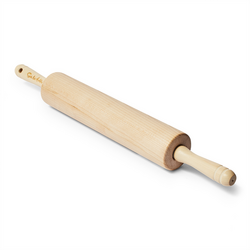
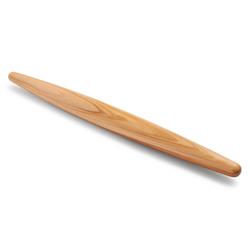
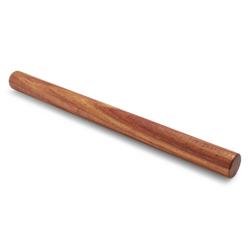
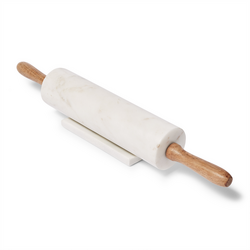
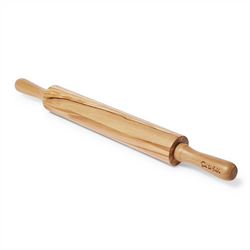
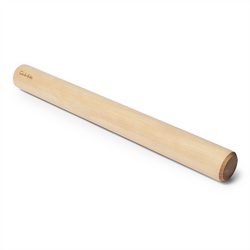
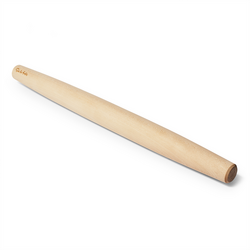
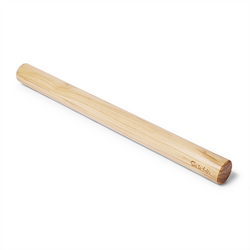
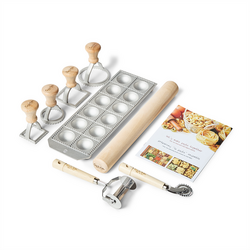
Rolling pins make practical kitchen gifts for home bakers, enthusiastic cooks and anyone who enjoys making food by hand. Wooden, marble, stainless steel and silicone styles offer different combinations of weight, grip and surface feel, while handled, tapered and adjustable designs suit different ways of working. A well-chosen rolling pin can become part of everyday cooking as easily as a special baking project: flattening dough for a savory tart, rolling rounds for homemade tortillas or preparing a batch of cutout cookies to share. Its appeal as a gift comes from that balance of usefulness and personal attention. For someone who makes pies, a comfortable pin with enough working length can make rolling a broad circle of dough feel more manageable. For a cookie baker, consistent thickness helps pieces bake at a similar rate and gives decorating a more even starting surface. Traditional handled rolling pins have a central barrel that turns as the baker pushes and pulls, offering a familiar grip for cooks who prefer holding handles rather than the rolling surface itself. French-style tapered pins put the hands directly on the wood, making it easy to adjust pressure and change direction while shaping a circle. Straight, handleless pins provide an even cylindrical surface that works well for broad sheets of dough. Designs with removable thickness rings help establish a consistent rolling depth, which can be especially useful for someone learning how dough should look and feel. None of these shapes is the single best choice for every baker; comfort and the recipient’s usual recipes matter more than appearance alone. A longer barrel can cover more dough in a pass, but it also needs room to move across the counter. A compact pin may feel more at home in a smaller kitchen or suit someone who often rolls individual portions. That connection between the tool and the way someone cooks is what makes rolling pins for kitchen gifts feel thoughtful rather than generic.
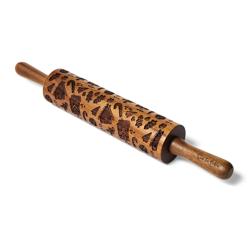
Material influences how a rolling pin feels in the hands, how it moves over dough and how it fits into a kitchen’s care routine. Hardwood rolling pins, often made from maple or beech, have a warm, understated appearance and a surface that can take a light dusting of flour. Their weight varies with size and construction, giving bakers options between a lighter, responsive feel and a more substantial tool. Wood can develop a well-used character over time, but it needs protection from soaking, prolonged dampness and dishwasher heat. Gentle cleaning followed by prompt, thorough drying helps preserve the surface; any conditioning should follow the maker’s recommendations rather than a general household treatment. Marble brings more weight to the task, which can reduce the effort required to flatten firm dough. It also feels cool to the touch, a quality pastry bakers may appreciate, though rolling speed, dough temperature and room conditions still affect how easily butter-rich dough handles. That extra weight deserves consideration for a recipient who prefers lighter tools or has difficulty lifting heavier kitchen equipment. Marble also needs careful storage to protect it from knocks and falls. Stainless steel offers a smooth, nonporous rolling surface, while silicone-covered designs provide another surface option for bakers who value easy release. No material eliminates sticking in every recipe, so the right amount of flour and properly rested dough still matter. Cleaning requirements vary, particularly when a pin includes handles, bearings or removable parts, making the manufacturer’s care instructions important even when the exterior looks simple. Decorative, embossed rolling pins serve a more specialized purpose by pressing a pattern into prepared dough. They are typically used after a smooth pin establishes the thickness, and the clearest results depend on a suitable dough and a recipe that holds its shape during baking. Their grooves also need attentive cleaning to remove trapped flour or dough. For a recipient who enjoys decorative baking, those details can be part of the pleasure; for someone who favors a quick cleanup, a smooth surface may be the more comfortable fit.
The best rolling pin gifts reflect the recipient’s habits without assuming that every cook wants the same experience. A beginner may appreciate a manageable weight, an uncomplicated shape and a surface that is easy to maintain. Someone who already bakes frequently may have a clear preference for the direct control of a tapered pin or the familiar motion of a handled barrel. A cook who makes dumpling wrappers or small flatbreads may use a compact rolling pin differently from a baker who regularly prepares wide pastry sheets. Even an experienced baker can find a purpose for another shape or size when it supports a distinct task rather than simply duplicating a favorite tool. Physical comfort matters, too: handle clearance, grip size and overall weight can affect how pleasant a pin feels through a full batch of dough. Storage is another practical detail, especially in kitchens where a long pin will not fit neatly into a utensil drawer. A secure resting place protects the rolling surface and keeps a heavy cylinder from moving unexpectedly on the counter. For a housewarming, wedding or birthday, a rolling pin can acknowledge a new kitchen, a shared interest or a recipe the recipient loves. A handwritten family recipe alongside it adds meaning without turning a useful gift into something too precious to use. The baker who enjoys making patterned cookies may welcome an embossed design, while someone happiest with a simple apple pie may prefer an unadorned wooden pin. For recipients whose favorite traditions include cookie swaps and baking treats to share,
rolling pins for holiday baking offer a related focus. Whether the gift supports a first attempt at homemade pastry or a familiar weekend baking routine, lasting value comes from comfortable handling, appropriate care and a good match for the food someone enjoys making.