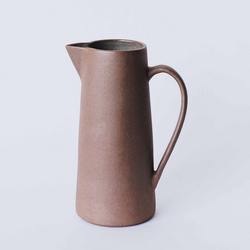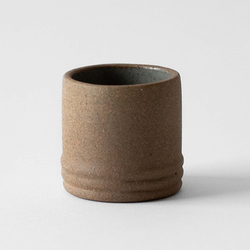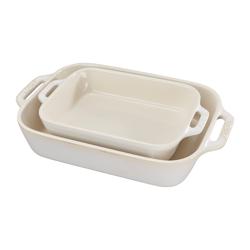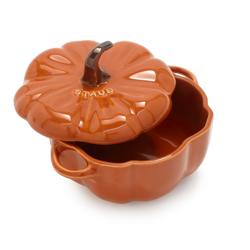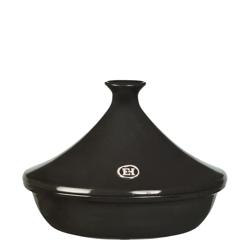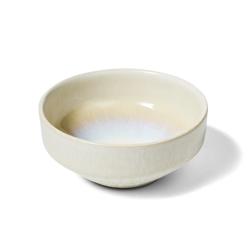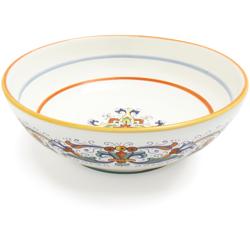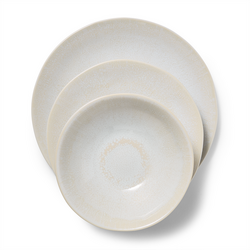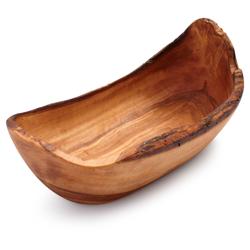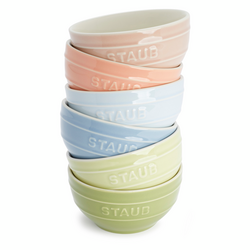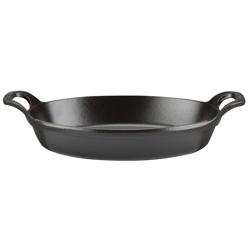
Rustic ceramics bring an earthy, relaxed character to the kitchen and table through organic shapes, textured surfaces and glazes inspired by natural materials. Their appeal often comes from subtle details: a softly uneven edge, a wash of color that deepens around a rim or fine speckling that gives a neutral surface a little movement. Cream, clay, charcoal and mossy green are familiar parts of the palette, though rustic style is as much about finish and form as it is about color. These ceramics can feel comfortably at home beside worn wood, woven linens and brushed metal, but they also bring welcome softness to a clean-lined, contemporary space. The term describes an aesthetic rather than a single material or manufacturing method. Rustic ceramic tableware may be made from stoneware, porcelain or earthenware, and a hand-shaped appearance does not necessarily mean a piece was made by hand. When craftsmanship or origin matters to your purchase, look for those details in the product description rather than relying on appearance alone. Some rustic finishes echo the Japanese concept of wabi-sabi, an appreciation for imperfection and the character of things over time, without necessarily belonging to that specific tradition. For everyday use, the attraction is more immediate: a table that feels welcoming instead of overly coordinated. Picture the last few minutes before dinner, with bread being passed, a folded napkin beside each place and lamplight catching the variations in a glaze. Rustic ceramics suit that kind of gathering because their visual interest does not depend on elaborate decoration. They can make a simple meal feel thoughtfully served without making it feel formal. During the cooler months, their earthy colors work naturally with hearty food and soft textiles; beyond that season, the same finishes pair easily with fresh greens and lighter linens. It is a versatile look built around texture, useful shapes and colors you enjoy living with.
Choosing rustic ceramics starts with how you actually cook, serve and clean up. Stoneware often has a substantial feel that suits casual dining, while porcelain can offer a more refined profile without losing the warmth of an earthy glaze. Earthenware can have a softer, traditional character, though its care requirements may differ from those of more densely fired ceramics. These are broad tendencies, not guarantees of strength or performance; the construction, glaze and manufacturer’s instructions matter more than the rustic label. If you like a lighter table setting, pay attention to product weights and dimensions rather than judging scale from photographs. A generous shape may look inviting on the table but take up more room than expected in a cabinet or dishwasher. Think about the meals you serve most often, the space available at each setting and whether the pieces will stack comfortably on your shelves. Edge height and the depth of a serving surface can also affect how well a shape handles sauces and generous portions. For a porcelain interpretation of this style, explore
Rustic Porcelain Dinnerware, keeping the same practical considerations in mind. Finish deserves a closer look, too. A glossy glaze reflects light and can emphasize pools of color, while a matte surface has a quieter appearance and may show utensil marks more readily, depending on the glaze. Raised textures add interest, but consider whether they sit on food-contact surfaces or around the outside, where they are less likely to catch food. Check each product’s guidance for dishwasher, microwave and oven use; ceramic materials are not automatically suitable for every appliance. Avoid abrupt temperature changes unless the manufacturer specifically allows them, and follow any directions for exposed clay or unglazed areas. Decorative ceramics should not be used for food unless they are identified as food safe. Intentional variations in glaze or shape are part of some designs, but chips, sharp edges and unexpected cracks are not details to overlook. The best choice is one whose appearance and care routine both fit comfortably into your home.
Building a collection of rustic ceramics does not require replacing everything you already own. Start with colors and proportions that relate to your existing tableware, then decide how much contrast you want. Warm ivory can sit easily alongside sand and brown, while cool gray can bring definition to a softer neutral setting. Mixing finishes often works best when there is something consistent between them, such as a shared undertone or a similar curve. If you prefer a coordinated table, look for a collection with the range and quantities you need, and check whether additional pieces are available separately. That flexibility can be useful when your household grows, you begin hosting more often or something needs replacing. For people who enjoy an eclectic table, small differences can make a setting feel collected over time rather than purchased all at once. Give patterned linens or richly colored food some breathing room by keeping the surrounding palette simple. There is no need for every surface to compete for attention. Rustic ceramics can be especially appealing to home cooks who enjoy serving food family-style, frequent hosts who want an inviting table and anyone who would rather use their favorite tableware daily than save it for company. They also make thoughtful gifts for a new home, a wedding or someone gradually making a kitchen their own. Before choosing a gift, consider the recipient’s storage space, existing colors and willingness to hand-wash. A beautiful finish is easier to appreciate when caring for it does not add an unwelcome chore. If their taste is understated, versatile neutrals may be more useful than a strong accent color; if they love mixing vintage and contemporary pieces, a distinctive texture may be the better fit. Ultimately, rustic ceramics earn their place through repeated use: the familiar weight in your hands, the way a glaze looks against your table and the ease of bringing everything together for dinner. Choose for those ordinary moments as well as the occasions when every seat is taken.