-
(31)
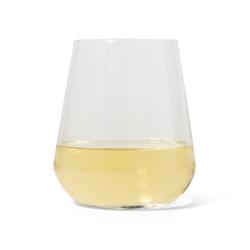
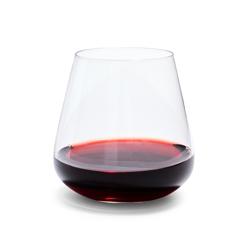
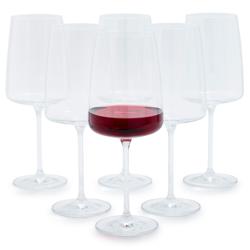
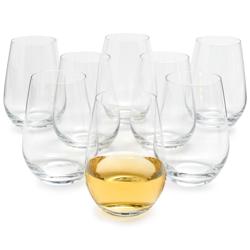
A set of 6 stemless red crystal glasses with thin-walled bowls and wide foot for wine lovers.
Pros: durable, sturdy, quality
-
(10)
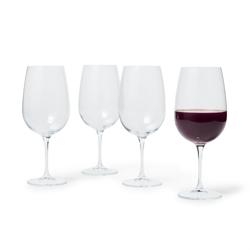
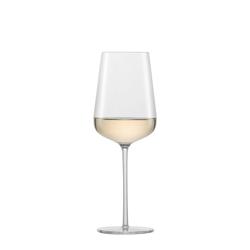
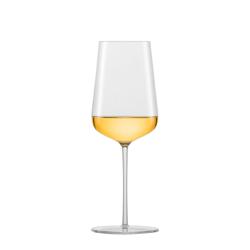
A set of 4 clear, red wine glasses with a durable, lead-free glass construction for elegant entertaining.
Pros: quality, size, value
-
(5)
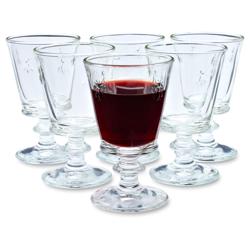
A set of 6 clear and red wine glasses made of durable Tritan crystal for long-lasting elegance.
Pros: break resistant, big bowls for big reds, durable
-
(4)
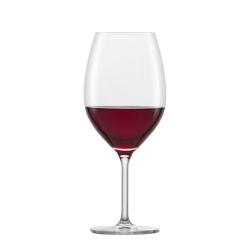
A set of 6 red wine glasses with a thin-walled bowl and durable Tritan Crystal technology.
Pros: beautiful design, break resistant, dishwasher safe
-
(3)
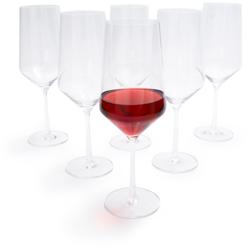
A set of 6 clear crystal red wine glasses with rounded forms and superior durability.
Pros: great size, beautiful, perfect size
-
(4)
A set of 6 clear crystal red wine glasses with rounded forms and superior durability.
Pros: size, quality, fit
-
(1)
A set of clear Tritan® Crystal glasses featuring modern design for both red and white wines.
Pros: appearance, wine taste
-
(2)
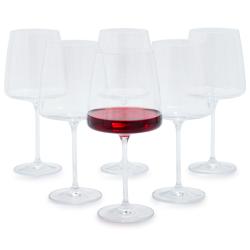
A set of 6 red wine glasses with modern design, made from durable Tritan crystal.
Pros: beautiful, contemporary look, feel
Set Of Red Wine Glasses
Elevate your wine experience with a set of red wine glasses designed to bring out the best in every pour. Whether you’re hosting a dinner party or enjoying a quiet evening at home, the right glassware enhances both flavor and presentation. Explore our selection of sets to find the perfect balance of style and function for your table. Discover options suited for any occasion and make every sip memorable with a set of red wine glasses that fits your needs.

Best Of FAQ
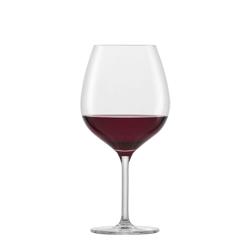
Red wine glasses typically have a larger, rounder bowl compared to white wine glasses. This design allows for better aeration, which enhances the aroma and flavor of red wines.
To keep your red wine glasses in top condition, hand wash them with mild detergent and warm water, then dry with a soft, lint-free cloth. Some sets may be dishwasher safe—always check the manufacturer's recommendations.
The shape of a red wine glass helps concentrate the aromas and directs the wine to specific areas of your palate, enhancing your tasting experience. The wider bowl also allows the wine to breathe, which can improve its flavor.
Yes, red wine glasses can be used for serving other beverages such as water or cocktails. However, their design is optimized for enjoying red wines to their fullest potential.
Yes, there are specific styles of red wine glasses designed for different varietals like Bordeaux or Pinot Noir. Each style is crafted to highlight the unique characteristics of that particular type of red wine.
-
"Great wine glasses - Great Packaging from Sur La Table"
-
"Love all the Reidel glasses"
-
"I love everything about the Pure collection. It is not only beautiful but practical"
-
"Great glasses and service in the Boulder store"
-
"I love everything about the Pure collection. It is not only beautiful but practical"