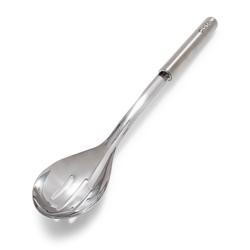
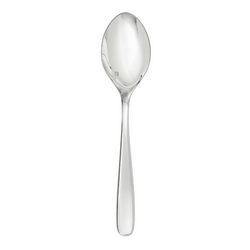
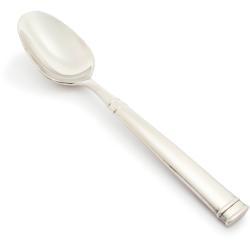
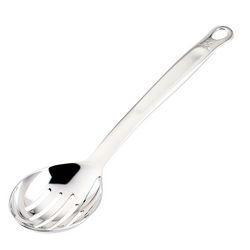
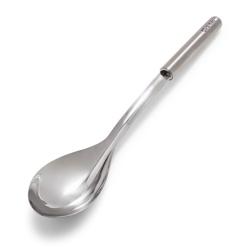
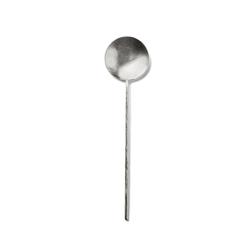
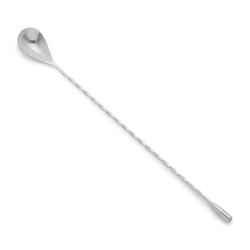
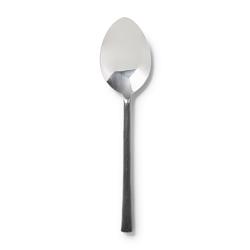
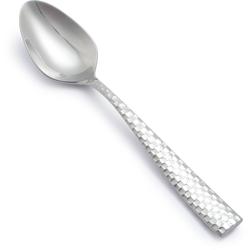
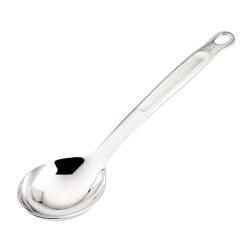
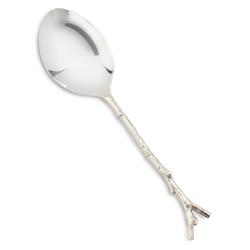
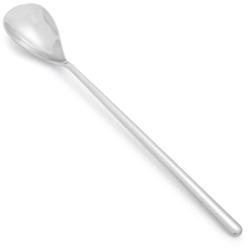
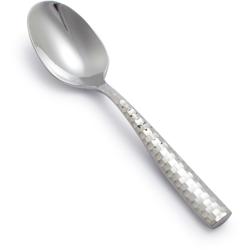
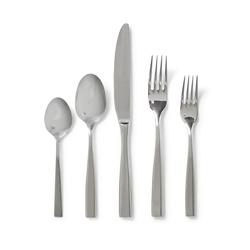
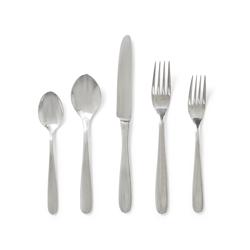
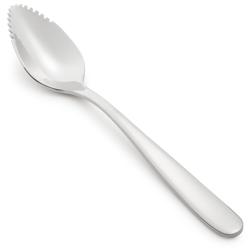
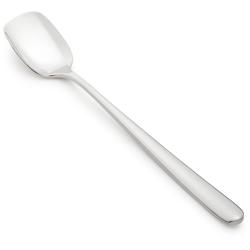
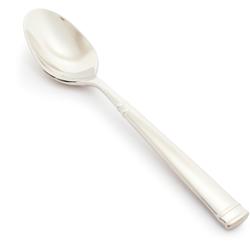
Silver spoons bring a familiar, polished finish to the table, whether they’re set beside a bowl of soup, tucked into a cup of coffee or passed around with dessert. In flatware, “silver” can describe a color as well as a material, so the metal beneath that shine matters. Stainless steel spoons have a naturally silver-toned appearance and are often a practical choice for everyday meals. Sterling silver contains 92.5% silver, with other metals added for strength, while silver-plated spoons have a layer of silver over a different base metal. These materials can look similar at a glance, but they differ in weight, maintenance and how their surfaces change with use. Material descriptions help distinguish a silver-colored finish from actual silver content. For stainless steel, designations such as 18/10 and 18/0 refer to chromium and nickel content, not the amount of silver. Chromium contributes to corrosion resistance, while nickel can enhance that resistance and help maintain a bright finish. Beyond the metal itself, the right spoon depends on what’s being served. A teaspoon works well for stirring coffee, eating yogurt or enjoying a small dessert. A larger place spoon offers more room for cereal and other everyday foods, while a rounded soup spoon holds broth differently from a narrower oval bowl. Long handles can reach into tall glasses without leaving fingertips close to the rim, and serving spoons make it easier to portion side dishes at the table. These differences become noticeable in ordinary moments: gathering the last bite of oatmeal, scooping beans from a shared dish or stirring sugar into a mug. Choosing a spoon around those routines gives its shape a purpose beyond appearance. A useful assortment may include several spoon sizes rather than one shape expected to do everything, especially in a household where breakfast bowls, coffee cups and shared meals all call for something a little different.
Comfort is worth considering alongside size and finish. A spoon should feel balanced between your fingers, with a handle that’s easy to hold and a bowl that feels comfortable at the lips. Heavier flatware can feel substantial, but extra weight isn’t automatically a sign that a piece will suit every diner. A lighter spoon may be easier for someone who prefers less weight in the hand, while a broader handle may offer a more secure grip than a very slender one. Smooth edges and a comfortable transition between the handle and bowl matter, too. When adding silver spoons to an existing setting, compare their length, proportions and handle shape with the forks and knives already on the table. An oversized spoon can look out of scale beside delicate flatware, while a short handle may slip too far into a deep cereal bowl. Finish helps establish the overall look without requiring every piece to match exactly. A mirror finish reflects light and pairs naturally with glassware and crisp linens; a brushed or satin surface brings a softer sheen to the setting. Simple handles leave room for patterned plates, while decorative details can add interest beside plain dinnerware. Mixing older and newer pieces can feel intentional when a shared finish or similar silhouette ties them together. For entertaining, enough spoons for dessert as well as coffee can keep guests from having to reuse the same piece between courses. Separate serving utensils also make shared dishes easier to pass and portion. As a gift, silver-toned flatware can be useful for a new home, a wedding or someone building a more complete table setting. Matching the recipient’s habits is more helpful than choosing on appearance alone: everyday diners may appreciate straightforward care, while someone who enjoys setting a formal table may welcome a more decorative style. A familiar pattern can also make a thoughtful addition to flatware they already enjoy using.
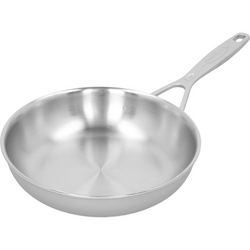
Care and durability depend on the material and finish, so the manufacturer’s instructions should guide cleaning from the start. Many stainless steel spoons are dishwasher safe, but that should be confirmed rather than assumed, particularly when a design includes special finishes or decorative details. When hand-washing, mild dish soap, a soft sponge and thorough drying help keep the surface clean without unnecessary abrasion. Even stainless steel benefits from prompt attention after contact with salty or acidic foods; leaving flatware soaking for long periods or sitting damp can encourage spotting and surface damage. Avoid packing spoons tightly together during washing, since nested bowls can trap food and prevent water from reaching the entire surface. Sterling silver and silver-plated pieces need care suited to their construction. Tarnish is a surface change that can develop on silver over time, not necessarily a sign that a spoon is worn out. Use a silver-care method approved for the piece, and remember that repeated aggressive polishing can wear through plating. Abrasive pads and harsh cleaners can also scratch polished surfaces or damage decorative finishes. For pieces used less often, clean, dry storage with an appropriate tarnish-resistant cloth or pouch can help protect their appearance. Everyday durability involves how spoons are used as well as how they’re washed: table flatware is meant for eating and serving, not prying lids or replacing a sturdy cooking utensil. Silver-toned surfaces can also create a visual connection across the kitchen. For a coordinated look beyond the place setting, explore
Silver Skillets, choosing cookware for cooking performance and spoons for comfortable dining rather than finish alone. A well-chosen spoon earns its place through repeated use, from a quick breakfast to a carefully set dinner table, with a shape that suits the food and a care routine that fits your household.