Splatter screens for holiday cooking help contain hot grease and food splashes while allowing steam to escape, reducing stovetop mess without trapping as much moisture as a solid lid. Set over a compatible skillet or sauté pan, a screen creates a lightweight barrier between bubbling food and the surrounding cooking area. That makes it especially useful when a holiday menu includes crisp potato pancakes, browned sausage for stuffing or a pan of vegetables sizzling in butter. Escaping steam supports browning and helps preserve crisp surfaces, though the results still depend on heat, cooking time and how much food fills the pan. A screen will not catch every droplet, but it can limit the fine spray that otherwise settles across nearby burners and counters. During Thanksgiving prep or a leisurely holiday breakfast, that means less grease to wipe away between dishes. These tools are also useful beyond frying: a thick tomato sauce or a gently bubbling fruit topping can send up splashes even at moderate heat. A screen allows evaporation to continue while helping contain those spatters, unlike a close-fitting lid that holds more moisture inside. For cooks preparing several dishes at once, this balance of coverage and ventilation can be particularly helpful. The screen rests over the pan while food cooks, then lifts away when it is time to stir, turn or check for doneness. It is not a substitute for a lid when a recipe calls for covered cooking, nor does it replace careful handling around hot oil. Its purpose is simpler: to make everyday pan cooking a little tidier when the kitchen is working harder than usual. From a small dinner with friends to an extended family gathering, splatter guards suit the kinds of recipes that bring warmth, aroma and a little inevitable mess to the cooler months.
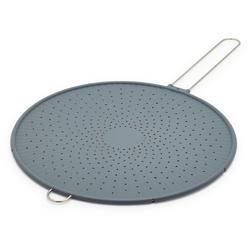
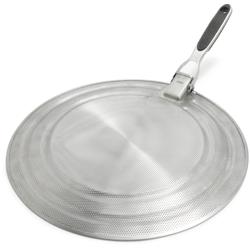
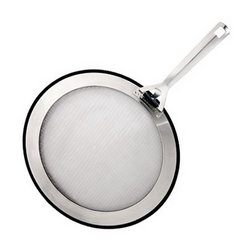
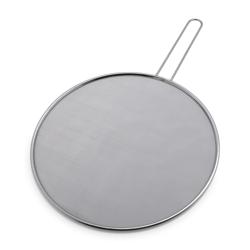
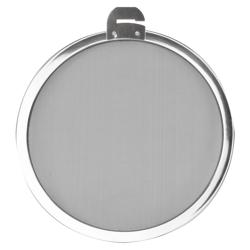
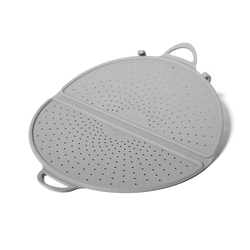
Material and fit make a meaningful difference in how a splatter screen feels to use. Fine stainless steel mesh offers many small openings for steam to pass through while intercepting some of the droplets thrown up by frying or simmering. A reinforced rim helps the screen hold its shape through regular lifting, washing and storage, while a securely attached handle makes moving it on and off the pan more manageable. Mesh is lightweight and easy to see through, although grease and small food particles can collect in the weave. Perforated silicone screens offer a different surface, often with a flexible feel that can be gentle against cookware finishes. Their ventilation pattern, supporting structure and heat rating vary, so material alone does not determine whether a screen is right for a particular cooking task. Silicone should not touch an open flame, and neither a silicone nor a metal screen should be assumed oven safe without checking its care instructions. For a useful fit, compare the screen’s diameter with the pan’s actual outer rim rather than relying only on the pan’s named size. The screen should cover the opening fully and sit steadily without slipping inward or rocking against the handle attachment. An oversized screen may cover several smaller pans, but too much overhang can crowd an adjacent burner or interfere with other cookware. That matters when gravy, vegetables and a skillet of browned mushrooms all share the stovetop. Handle length and angle deserve attention, too: a comfortable reach is helpful, provided the handle does not extend into a busy walkway or sit over another heat source. Handles can become hot, including from rising steam, so keep a dry oven mitt within reach. For a household that cooks with several pan sizes, complementary screen sizes can be more practical than expecting one diameter to suit everything. The best match is the one that fits the cookware securely and leaves enough room to work comfortably around it.
Care and storage are worth considering alongside cooking performance, especially for a tool that spends much of its working life catching grease. Dishwasher-safe construction can simplify cleanup, but the care directions for the entire screen, including its handle and any moving parts, should determine how it is washed. When hand-washing is recommended, warm water, dish soap and a soft brush can help release residue from mesh or perforations without bending or scratching the surface. Let the screen cool before cleaning, remove trapped food and rinse thoroughly so that greasy buildup does not carry over to the next meal. Drying it fully before storage helps keep the rim, handle joints and fine openings clean between uses. A screen that rests loosely beside cutting boards or baking sheets is less likely to get distorted than one squeezed beneath heavy cookware. Folding handles can make storage easier in a compact kitchen, while a hanging loop may suit a cook who likes frequently used tools within reach; either feature is useful only when the screen still fits comfortably in its intended spot. Over time, a straight rim, intact mesh and a firm handle connection are good signs that the tool remains ready for regular use. Torn mesh, sharp edges or a loose handle call for replacement rather than another holiday cooking session. As a gift, a well-chosen splatter screen suits the host who makes brunch for a crowd, the home cook settling into a first kitchen or the relative who enjoys pan-frying a cherished family recipe. Matching the screen to the recipient’s cookware and storage space makes the gesture more thoughtful than choosing by appearance alone. Its usefulness also extends well beyond holiday meals, from weeknight skillet dinners to warm-weather cooking. For that same practical approach in another season,
Splatter Screens For Summer Kitchen Essentials offers a related focus. A durable, easy-to-clean screen earns its place through these ordinary moments: fewer splashes around the pan, room for steam to escape and a more manageable cleanup after the meal.