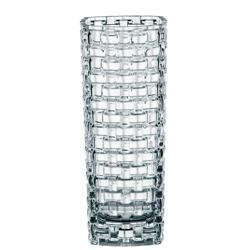
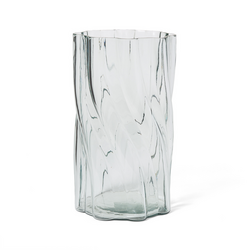
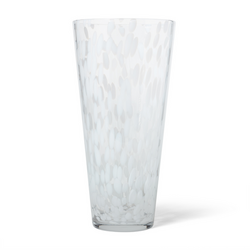
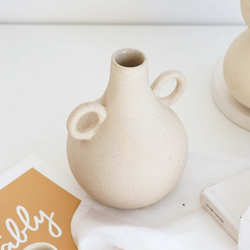
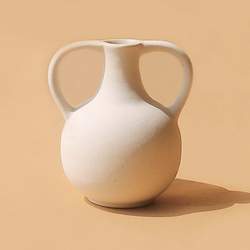
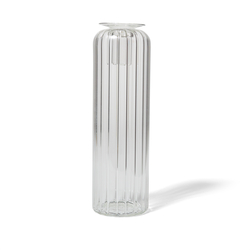
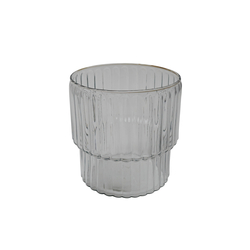
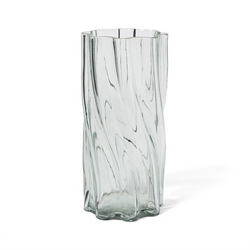
The best vases for roses have a watertight interior, a stable base and an opening that supports the stems without crowding them. Clear glass is a practical choice because its smooth, nonporous surface is easy to clean and its transparent sides make water levels visible. Crystal offers a similar light-catching effect, often with added weight or decorative detailing that gives an arrangement a more formal presence. Neither material keeps water clean on its own; thorough washing and regular water changes help limit the buildup that can shorten the life of cut flowers. For an understated look, clear glass lets the color and shape of the roses take center stage, whether the arrangement is a single blush bloom or a generous gathering of deep red flowers. Opaque ceramic brings a different character to the same bouquet. A white glazed vase can create a crisp backdrop for richly colored petals, while a softly textured surface adds interest without competing with the flowers. Ceramic intended to hold fresh stems should have a watertight finish, since an unglazed or decorative vessel may require a separate liner. Material also affects how an arrangement feels in a room. Transparent glass keeps a small table visually open, while opaque stoneware conceals stems and makes the vase itself a stronger part of the display. A smooth interior and an opening that allows access for cleaning are useful details across materials. Exterior ribs, facets or sculptural curves can add personality, but the inside should still be practical for repeated use. For roses displayed on a dining table, dresser or entryway console, the most useful vase balances those everyday needs with a shape that looks at home in the space. Its role is both decorative and functional: holding enough water, keeping the flowers upright and giving the blooms room to open. A vase that works well with the room’s existing dishes, linens or decorative accents can move easily between an everyday bouquet and a more considered arrangement for guests.
Proportion matters as much as material when matching a vase to roses. Long stems generally need a taller body and enough weight at the base to keep the arrangement steady, especially once large flower heads begin to open. Shorter stems suit lower vessels that bring the blooms closer together and keep the composition compact. As a starting point, flowers often look balanced when the portion above the rim is roughly one to one and a half times the height of the vase, though the natural shape of the stems matters more than a strict formula. The neck plays an important part in that balance. A narrower opening helps gather a few roses into a relaxed cluster without letting them fall against opposite sides of the vessel. A wider opening gives a fuller bouquet room to spread, but it may need more stems or supporting greenery to avoid looking sparse. Rounded bodies with slightly narrower necks offer water capacity below and support above, while straight-sided cylinders create a clean outline that works with many decorating styles. Small bud vases make a single rose feel intentional on a bedside table or bathroom shelf. A low, broad arrangement is often more comfortable on a dinner table because guests can see one another across it, while a taller silhouette can give an entryway a welcoming focal point. Consider the surface beneath the vase, too: a narrow mantel or shelf calls for a secure footprint that sits fully on the surface rather than extending over the edge. For arrangements that mix roses with leafy branches or other flowers,
Flower Arranging Vases offer another way to consider the relationship between vessel shape and bouquet style. The goal is not to fill every inch of the opening. A little breathing room lets individual rose heads show their shape and gives the arrangement a softer, less crowded appearance. That flexibility is especially useful when a bouquet includes stems of different lengths or flowers at different stages of opening.
A vase that is easy to care for is more likely to become part of everyday life rather than something reserved for special occasions. Wide enough access for a soft brush makes it easier to remove residue from the bottom and shoulders, while a simple interior leaves fewer places for buildup to collect. Hand-wash delicate glass, crystal and decorated ceramic according to the maker’s care instructions, and use the dishwasher only when the vase is identified as dishwasher safe. Abrasive cleaners can dull or scratch some finishes, so gentle cleaning is a sensible starting point. Before adding another bouquet, rinse the interior thoroughly so soap residue does not remain in the water. Freshly cut stems and leaves kept above the waterline also help an arrangement stay cleaner between water changes. These small habits matter more to flower longevity than choosing a decorative material alone. Durability deserves attention as well, especially for a vase that will be carried from the sink to the table frequently. A comfortable grip, balanced weight and a base that rests evenly make handling easier. Heavier does not always mean tougher; glass and ceramic can still chip or break, and a full vase may be surprisingly awkward to move. Lift it by the body rather than a narrow neck or decorative detail, and protect delicate surfaces underneath from moisture. For gifting, vases for roses suit birthdays, anniversaries, weddings and housewarmings without needing an elaborate presentation. A simple shape in clear glass or a neutral glaze leaves room for the recipient’s own taste, while a more expressive silhouette can suit someone who enjoys arranging flowers or setting a distinctive table. Pairing the vessel with roses makes the gift immediately useful, but the vase remains useful long after the original bouquet is gone. The most thoughtful choice reflects how someone lives: a compact piece for a small apartment, a low centerpiece for a frequent host or an easy-to-clean everyday vase for someone who loves keeping fresh flowers close.