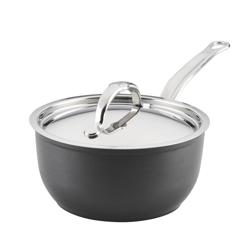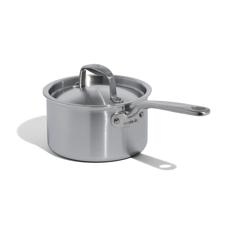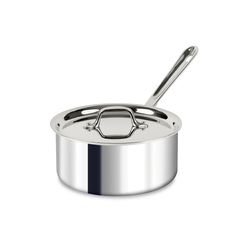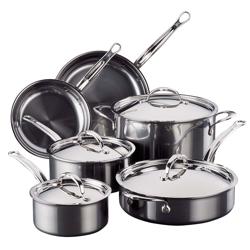
Titanium saucepans offer a practical place to start for cooks who want to understand how a pan’s cooking surface supports everyday meals. From oatmeal before work to a small batch of tomato sauce for dinner, a saucepan handles jobs that call for controlled heat, comfortable stirring and enough depth to contain a gentle simmer. Titanium is valued for its strength and resistance to corrosion, but the term can describe different kinds of cookware construction. In a saucepan, titanium may reinforce a nonstick coating or be incorporated into another surface treatment rather than make up the entire vessel. The underlying body might include aluminum for heat distribution, stainless steel for structure or several bonded layers that bring different materials together. Those distinctions matter more than the material name alone: a titanium-reinforced nonstick interior is not the same as an uncoated metal cooking surface, and each can have different cooking and care requirements. For foods that tend to cling, such as scrambled eggs, thick porridge or a creamy cheese sauce, a suitable nonstick interior can make stirring, serving and cleanup easier. Other surface constructions may suit cooks who prefer different utensils or cooking techniques, provided those uses are permitted by the manufacturer. Even heat distribution is especially useful when warming milk or thickening custard, where a scorched patch at the bottom can affect the whole batch. The pan’s body and base do much of that work, while the cooking surface influences release and utensil compatibility. A titanium label by itself does not establish that a saucepan is induction compatible, dishwasher safe or appropriate for high heat. Looking at the complete construction helps connect the material to the way the pan will actually be used. Whether the routine involves reheating soup, making a quick pan sauce or cooking rice for two, a well-matched saucepan should feel manageable at the stove and make small, frequent tasks feel less fussy. Its value comes from that everyday fit, not simply from a material name.
Size and shape help determine where titanium saucepans fit into a kitchen. A smaller capacity is useful for melting butter, warming a little broth or preparing a single serving without spreading the contents too thinly across a large base. A 1- to 2-quart saucepan often suits those compact tasks, while a larger capacity leaves more room for grains, vegetables or soup for several people. The stated capacity describes how much the vessel holds, not how full it should be during cooking; extra space is helpful when milk rises, oatmeal bubbles or a sauce needs vigorous whisking. A narrower shape limits the exposed surface area, while a wider saucepan gives ingredients more contact with the base and can encourage faster reduction. Neither shape is universally better. A cook who frequently makes smooth sauces may appreciate rounded interior transitions that a whisk can reach, while someone who regularly pours hot broth may pay closer attention to the rim and balance of the handle. A lid helps retain moisture when cooking rice or holding a gentle simmer, though its fit, material and heat limits deserve the same attention as the pan itself. Glass allows a view of the contents without lifting the lid, while a metal lid offers a different balance of weight and durability. Handle comfort also becomes more noticeable once a saucepan is full. A secure grip and a shape that feels balanced can make moving from burner to countertop easier, although handles can still become hot during use. The base should match both the cooking surface and the burner size. Induction requires a compatible magnetic base, and smooth cooktops benefit from a clean, flat underside. For cooks who finish dishes in the oven, both the saucepan and its lid need appropriate oven-safe ratings. Storage matters, too: a pan that fits comfortably in the cabinet and is easy to retrieve is more likely to become part of the daily routine than one that requires rearranging a whole stack.
Care and durability depend on the complete saucepan construction, especially the cooking surface. Titanium reinforcement may improve a coating’s resistance to wear, but it does not make every finish scratchproof or remove the need for thoughtful handling. Wood, silicone or other utensils approved for the surface can help protect the interior, particularly when stirring along the bottom or around the edges. Even when metal utensils are permitted, cutting food inside the saucepan or scraping forcefully with sharp edges can cause unnecessary damage. Many nonstick preparations work well over low to medium heat, and avoiding prolonged empty preheating helps protect finishes that are not designed for it. The manufacturer’s directions remain the best reference for heat limits, cooking sprays and dishwasher use because these vary by construction. After cooking, allowing the pan to cool before washing helps avoid abrupt temperature changes. A soft sponge and a suitable dish soap are often enough for routine cleanup; a brief soak can loosen dried starch or sauce without aggressive scrubbing. If pans are nested for storage, a soft protector between them can keep another pan’s base from rubbing against the interior. These habits support lasting performance without making cookware care complicated. For someone setting up a first kitchen, replacing a worn everyday pan or cooking smaller portions, a titanium saucepan can be a useful choice when its capacity and maintenance needs match the household. It can also make a thoughtful housewarming or wedding gift for a cook whose stove type and preferences are known. A manageable weight, comfortable handle and useful capacity are often more meaningful than an elaborate list of features. Related
titanium kitchenware can help round out a cooking setup, but each piece should earn its space through the meals it helps prepare. For a saucepan, that might mean silky chocolate sauce for dessert, tender lentils for lunch or warm gravy poured neatly at the table: familiar jobs made easier by cookware chosen with care.