-
(95)
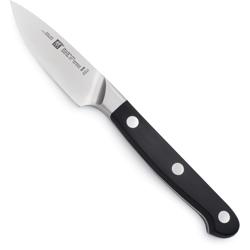
A 3.5" paring knife with FC61 super steel and stainless steel Damascus construction for exceptional performance.
Pros: sharpness, quality, versatility
-
(42)
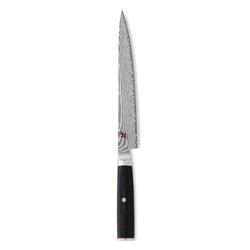
A 9.5" black slicer made from FC61 super steel and stainless steel Damascus for precise cutting.
Pros: sharpness, comfortable handle, damascus pattern
-
(108)
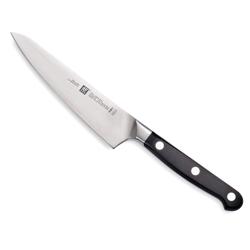
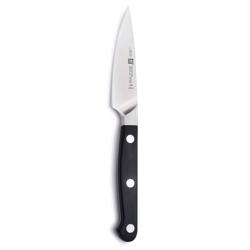
A precision paring knife with an angled bolster for enhanced cutting precision, safety, and comfort.
Pros: versatility, sharpness, durability
-
(56)
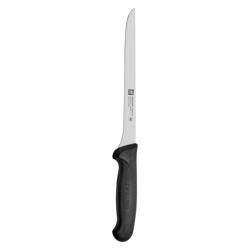
A 5" boning knife in black, perfect for budget-conscious home cooks who want to prepare their own cuts of meat or poultry.
Pros: sharpness, quality, versatility
-
(327)
A versatile, mid-sized prep knife with a unique bolster-free design for precision cuts.
Pros: sharpness, ease of use, balance
-
(14)
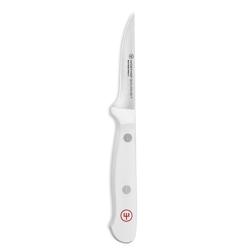
A 2.75" trimming paring knife by Wüsthof, perfect for precise cuts on meat and vegetables.
Pros: sharpness, quality, useful
-
(1)
A thin and light utility knife with a traditional Japanese shape, featuring a dual-core construction for exceptional sharpness.
Pros: beautiful, wonderful
-
(7)
A small, high-performance paring knife with a secure grip and easy maintenance.
Pros: versatility, affordable, perfect size
-
(16)
A versatile black-handled stainless steel knife ideal for precise slicing, trimming, and detailed prep work.
Pros: versatility, precision, utility
-
(61)
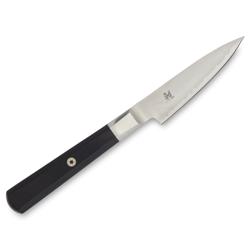
A razor-sharp paring knife with a beautiful Damascus-clad blade and D-shaped ebony pakkawood handle.
Pros: sharpness, balance, versatility
-
A stunning tan utility knife with a razor-sharp 6.5-in. edge for effortless cutting.
-
(12)
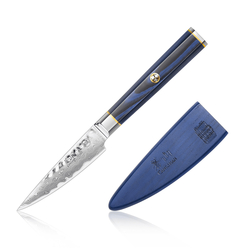
A 3.5" paring knife with a Damascus steel blade and a blue faux-wood-grain handle.
Pros: sharpness, design, durable sheath
-
(2)
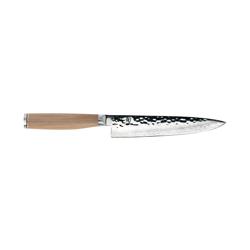
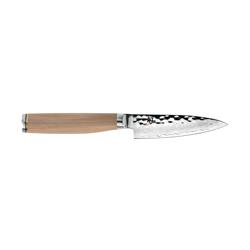
A tan paring knife with a thin, lightweight blade and contoured handle for precise cutting control.
Pros: sharpness, beautiful, durability
-
(4)
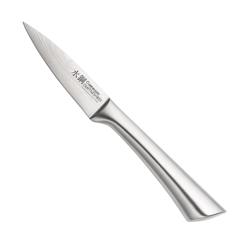
A precision stainless steel paring knife in silver, ideal for peeling, trimming, and detailed kitchen tasks.
Pros: quick delivery, quality
-
A black stainless steel paring knife with a pointed tip for precise peeling, trimming, and prep.
-
(9)
A silver stainless steel paring knife set with razor-sharp, ice-tempered blades for precision cutting.
Pros: no seams or crevices, sane, hygienic
-
(50)
A 3.5" silver paring knife with a razor-sharp double-beveled edge, lightweight design, and comfortable ergonomic handle.
Pros: sharpness, quality, lightweight
-
(2)
A flexible carbon steel boning knife in brown, designed for precise trimming and detailed butchery tasks.
Pros: meets expectations, durability, comfortable grip
-
(1)
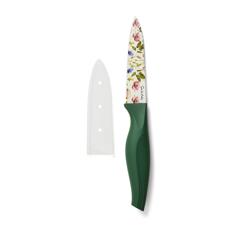
A green stainless steel paring knife featuring a floral-patterned blade and comfortable handle for precise prep.
Pros: appearance, blade design, functionality
-
A silver carbon steel boning knife with an ergonomic, non-absorbent handle for precise, controlled cuts.
-
(3)
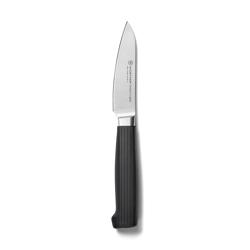
A fully forged high-carbon stainless steel paring knife with a black ergonomic handle for precise prep tasks.
Pros: sharpness, knife, sturdiness
-
(34)
A nimble paring knife with a faceted pakkawood handle, hand-honed to a sharp 9.5-12 degrees.
Pros: sharpness, comfortable handle, sharp blade
-
(93)
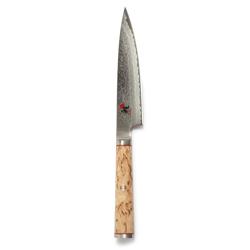
A 5" utility knife with a 101-layer steel construction, D-shaped birch handle, and razor-sharp blade.
Pros: sharpness, comfortable handle, balance
-
(97)
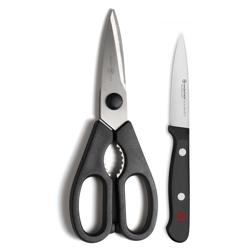
A set of German-made cutlery including a paring knife and kitchen shears, perfect for delicate cutting and various kitchen tasks.
Pros: quality, value, sharpness
Trimming Knives
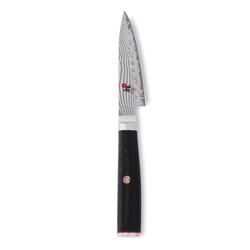
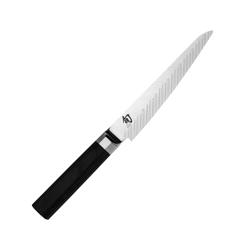
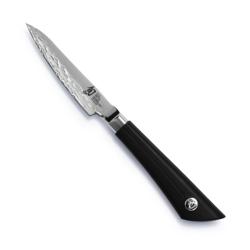
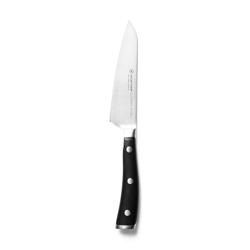
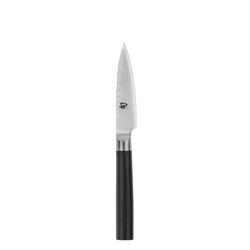
Whether you're a professional chef or a home cook, having a reliable trimming knife in your kitchen arsenal is essential. These versatile tools are designed to make precise cuts and trim excess fat, skin, or gristle from meats, poultry, and fish. With their sharp blades and ergonomic handles, trimming knives offer both precision and comfort for effortless trimming tasks. Discover the perfect trimming knife that suits your needs and elevate your culinary skills to new heights.

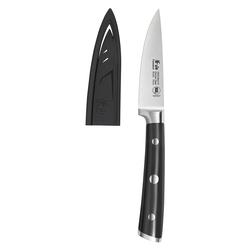
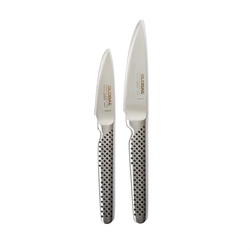
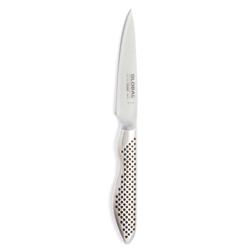
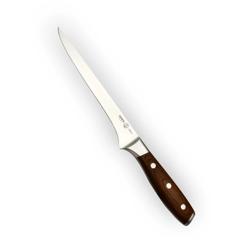
Trimming Knives
FAQ List
While both trimming knives and utility knives are versatile kitchen tools, they serve different purposes. Trimming knives have narrow and pointed blades, specifically designed for precise trimming and intricate tasks like removing excess fat or skin from meat. On the other hand, utility knives have a more general-purpose blade that can be used for a variety of tasks, such as slicing, dicing, and chopping.
Although trimming knives are primarily designed for trimming and precision work, they can be used for other kitchen tasks as well. Their narrow and pointed blades make them suitable for tasks that require precision, such as peeling fruits and vegetables or deveining shrimp. However, it's important to note that their design and blade length may not be ideal for larger cutting or chopping tasks.
To ensure the longevity and performance of your trimming knife, proper care is essential. After each use, it's recommended to hand wash the knife with mild soap and warm water, then dry it thoroughly to prevent any moisture buildup. Avoid using abrasive cleaners or scrubbers that can damage the blade. Additionally, it's advisable to store the knife in a knife block or sheath to protect the blade from damage and to prevent accidents when retrieving it from a drawer.
Like any other knife, trimming knives will eventually require sharpening to maintain their cutting performance. The frequency of sharpening depends on the frequency of use and the quality of the blade. It's recommended to use a sharpening stone or a honing rod to sharpen the blade, following the manufacturer's instructions. If you're unsure about sharpening the knife yourself, it's best to seek the assistance of a professional knife sharpener.
Yes, trimming knives can be used on fruits and vegetables. Their narrow and pointed blades make them suitable for delicate tasks like peeling, trimming, and intricate cuts. Whether you need to remove the skin from a tomato or trim the ends of green beans, a trimming knife can provide the precision and control you need. However, it's important to exercise caution and ensure proper technique to avoid any accidents or injuries.
-
"Love it. It make food peep a joy"
-
"Miyabi has the best knives! The Nakiri works great with cutting vegetables and is sharp and precise"
-
"Love these"
-
"Best product, best customer service"
-
"I love my knives, and Japanese knives are the best. What a beautiful gift"